Homeschool Preschool Doesn’t Have to Look Like School
Homeschool preschool doesn’t have to look like school. But if you’re anything like most moms I talk to, you didn’t get that memo. Instead, you started homeschooling preschool with a Pinterest-inspired mental picture—mini desks, laminated charts, carefully timed lessons—and now you’re wondering why it feels so hard.
Here’s the truth: that pressure? It’s not coming from your child. It’s coming from a story you’ve been told about what learning is supposed to look like. And it’s time to let it go.
If you’ve been feeling behind, overwhelmed, or like you’re somehow failing your preschooler, this is for you. Let’s rewrite the narrative—starting right now.
Homeschool Preschool Doesn’t Have to Look Like School
Does homeschool preschool need to look like school? No. Learning happens through play and everyday moments—not rigid schedules.
What does it actually look like?
• Play-based activities
• Short bursts (10-15 minutes)
• Learning woven into daily life
What should you do instead? Follow your child’s interests, stay consistent, and use simple tools that reduce stress.
Why School Looks the Way It Does (And Why That Doesn’t Apply to You)
Let’s talk about why school looks the way it does. Not to criticize it, but to understand why those structures exist in the first place.
Traditional classrooms are designed around specific realities:
- 25+ kids who all need instruction at once
- Rigid schedules to keep large groups on track
- Group management needs like raising hands, waiting in line, sitting still
- Standardized testing expectations that dictate what gets taught and when
This isn’t wrong. It’s just what’s required when you’re teaching many children with limited time and resources.
But you don’t have 20 kids. You have one preschooler and all the freedom in the world to teach differently.
So why are you trying to recreate constraints that don’t exist in your home?
When we chase a school-at-home model, we import problems we never needed:
- Power struggles over activities your child never asked for
- Guilt when things go “off plan” or you skip a lesson
- Disconnection from the joy that made you want to homeschool in the first place
The truth? Trying to mimic classroom structure at home misses the magic of home learning entirely. You don’t need to control a classroom. You need to nurture a human.
There’s a profound difference between those two goals.
What Nobody Tells You About Preschool Learning
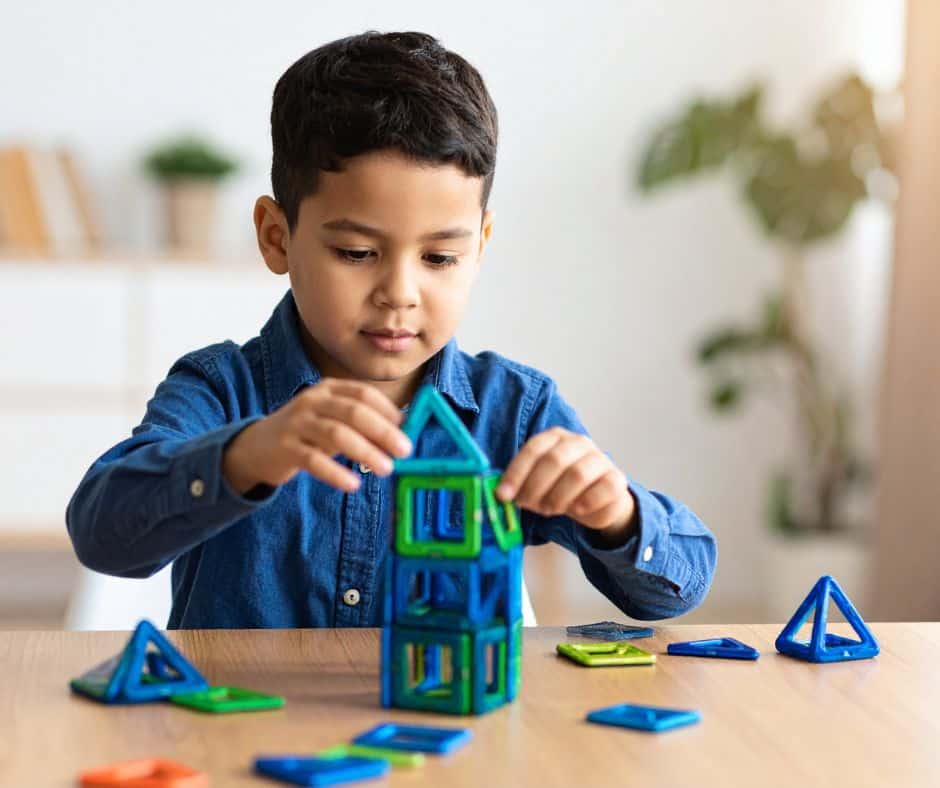
Here’s what nobody tells you: preschool learning doesn’t need to look like school to be valid.
Your child doesn’t need a desk to learn letters. They don’t need worksheets to prove they’re progressing. They don’t need you to perform like a teacher to feel safe learning.
What they need is you—present, not pressured.
Because here’s the truth most homeschool advice skips right over:
Learning is already happening.
When your preschooler asks “why” for the hundredth time, that’s learning. When they build and knock down the same tower repeatedly, that’s learning. When they’re “just” playing, listening, helping, watching—that’s learning too.
You’re not behind. Your child isn’t missing out. The everyday moments you’re dismissing as “not school enough”? Those count. More than you realize.
The pressure to perform isn’t serving you. And it’s definitely not serving your child.
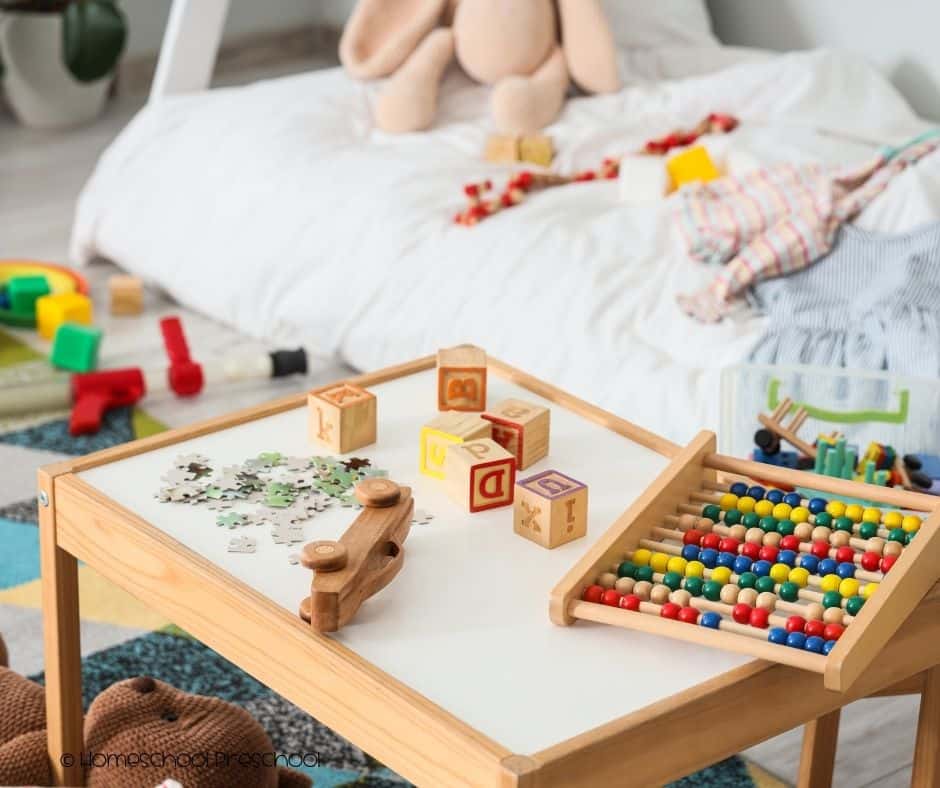
What Actually Matters at This Age
So what actually matters at this age?
Not performance. Not output. Not proof.
What matters is connection. A child who feels seen and supported learns with confidence. When your preschooler knows you’re present rather than pressured, they relax into learning naturally.
What matters is engagement. Young children learn through their bodies, their senses, their play. Not through forced sitting. The learning that sticks doesn’t come from worksheets—it comes from experiences that make them curious.
What matters is exposure. Language develops through conversation. Math concepts emerge through real-world experiences. Your daily life is the curriculum.
Your job isn’t to manufacture learning experiences. It’s to be present, follow their lead, and trust that showing up consistently matters more than any single lesson.
Presence > Paperwork.
Engagement > Output.
Your child won’t remember every worksheet. But they will remember how learning felt. They’ll remember if it was joyful or stressful. Connected or disconnected. Playful or pressured.
You get to decide which story they carry forward.
If You’re Ready for Something Calmer
If this resonates—if you’re tired of chasing a version of homeschool that doesn’t fit—you’re not alone.
And if you’re craving something calmer, something that lets you step away from the pressure without feeling like you’re doing nothing? That relief is possible.
You don’t have to figure this out alone. You don’t have to keep second-guessing. There’s a gentler path forward—one that doesn’t require you to become someone you’re not.
If you want a few days of relief, a chance to reset what preschool can look like at home, I’d love to help you find it.
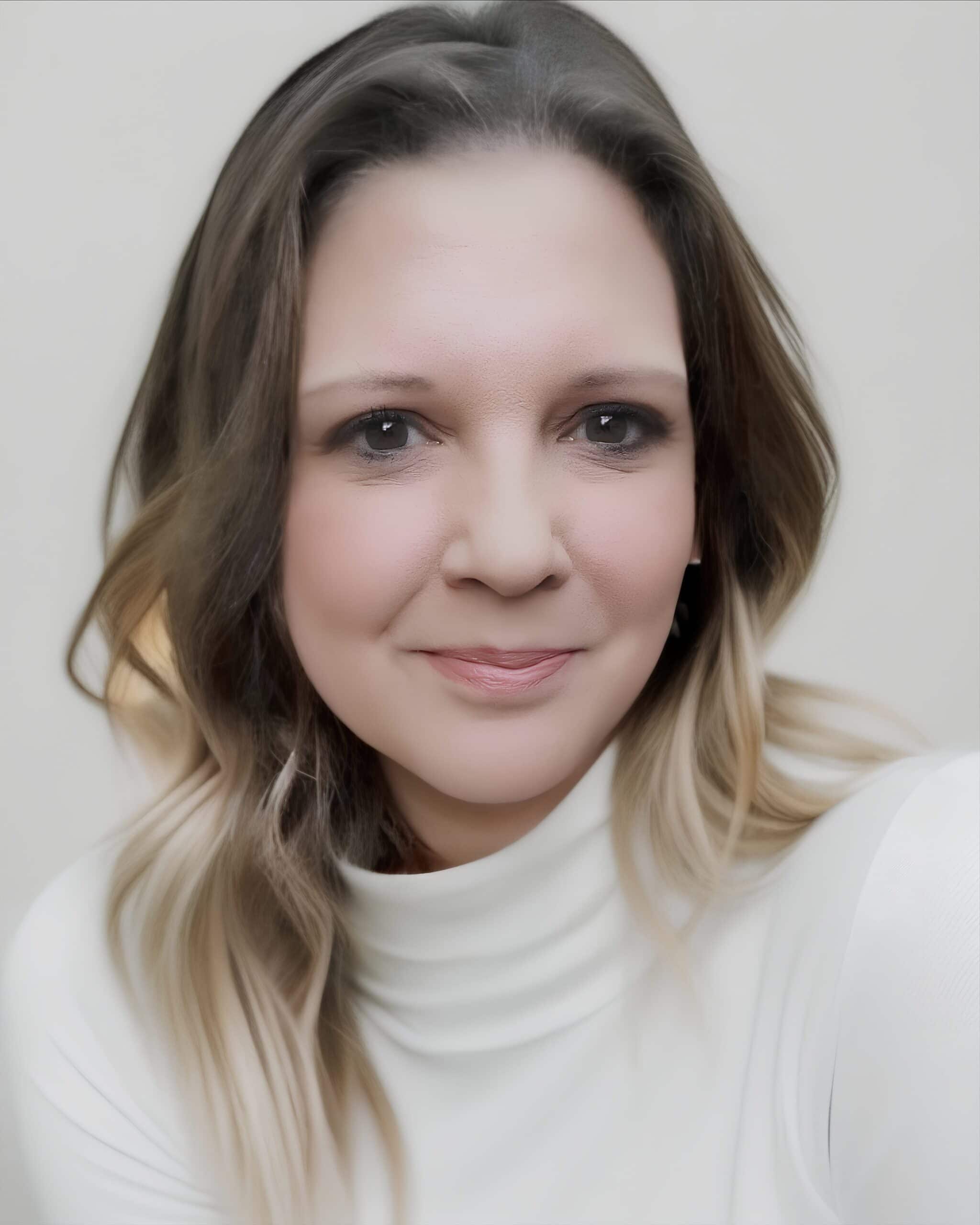
Tara is the brains behind Homeschool Preschool, where her journey from preschool and public school teacher to homeschooling mom of three fuels her passion for early childhood education. With a blend of expertise and firsthand experience, Tara’s writings offer practical tips and engaging resources to support families in creating meaningful learning adventures at home.