Are you looking for ways to make the chilly season more exciting and educational for your little ones? Well, we have just the thing for you – winter science experiments for preschoolers!
This blog post is chock-full of exciting winter activities for preschoolers, designed to spark their curiosity and keep them engaged during those cold days.
So, cozy up with a warm cup of cocoa and let’s dive into the enchanting world of frosty experiments, icy explorations, and snowy discoveries.
It’s time to turn your kitchen or classroom into a winter wonderland lab where learning and fun go hand in hand.
Whether you add these winter science projects to your everyday homeschool lessons or you use them to make a snow day educational, these winter science activities are perfect for kids of all ages.
Not only will they learn about the science behind winter weather, but they’ll also develop critical thinking skills and build a deeper understanding of their environment.
So, let’s bundle up and get ready to explore the magic of winter through the lens of science.
Winter Science Experiments for Preschoolers
We’ve compiled a list of winter preschool science activities that you can try with your young children at home or in the classroom.
These winter theme activities are easy to set up and require materials that you’ll find right in your home or classroom. They’re not only educational but also great fun!
Let’s transform those chilly winter days into a fantastic learning experience. So, without further ado, let’s start our frosty journey of discovery with our first batch of winter science experiments.
Just click on the name of the winter science experiment below to find detailed instructions. Let the chilly fun begin!
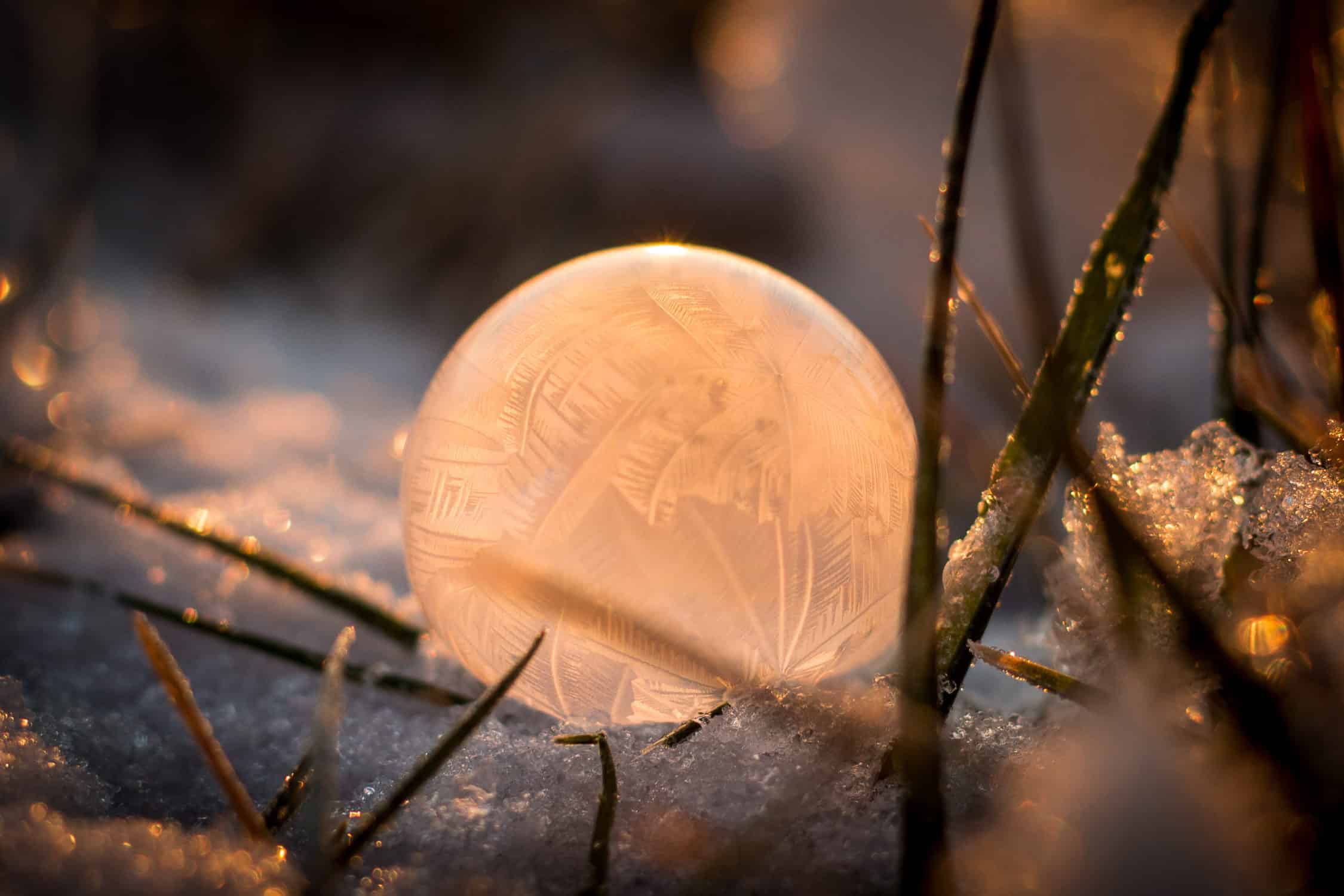
How to Make Frozen Bubbles
Watch bubbles turn to frost right before your eyes in this magical frozen bubble experiment. Perfect for freezing winter days, this hands-on activity teaches preschoolers how temperature affects liquids while adding a dose of outdoor science fun. All you need is a bubble solution and below-freezing weather to get started.
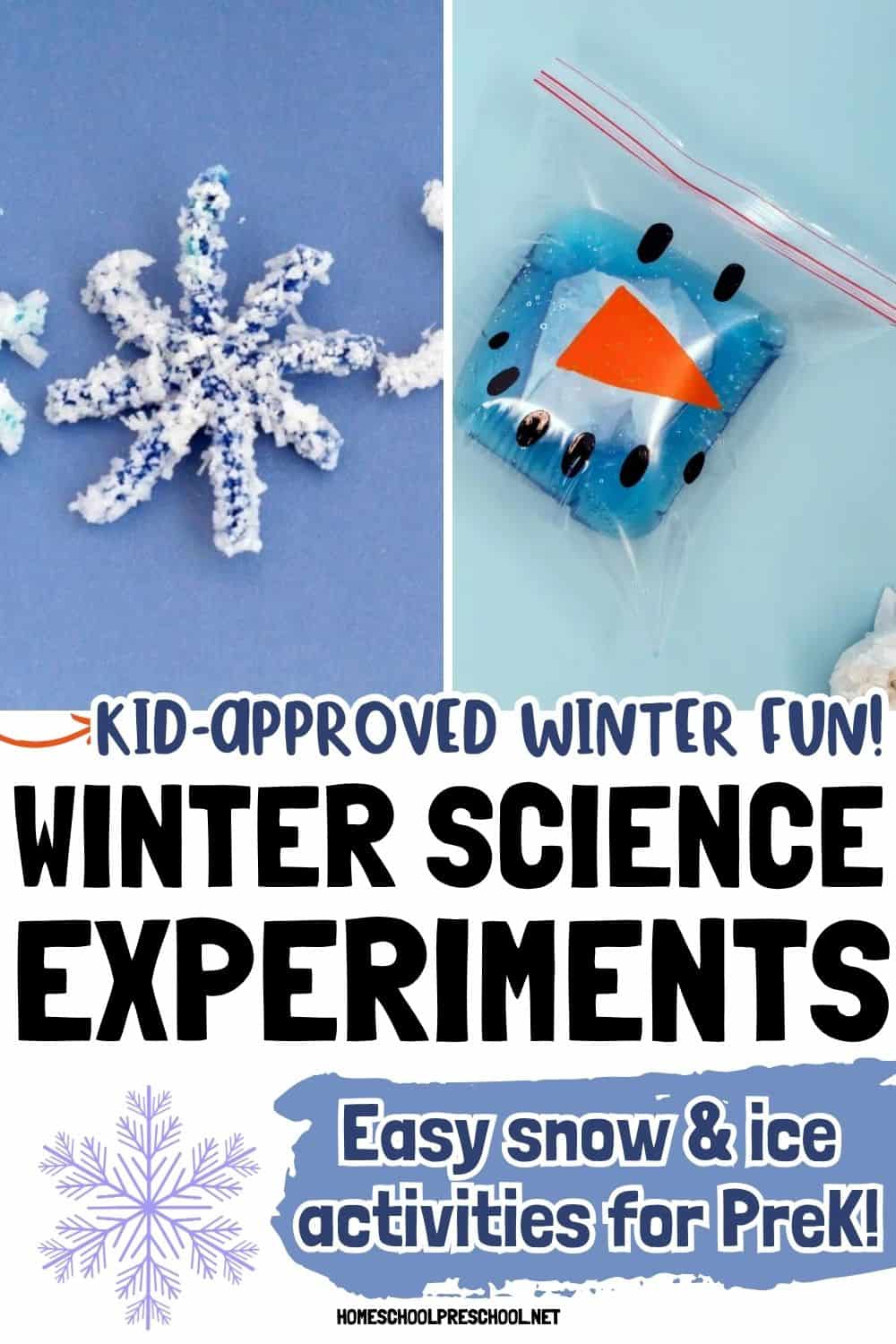
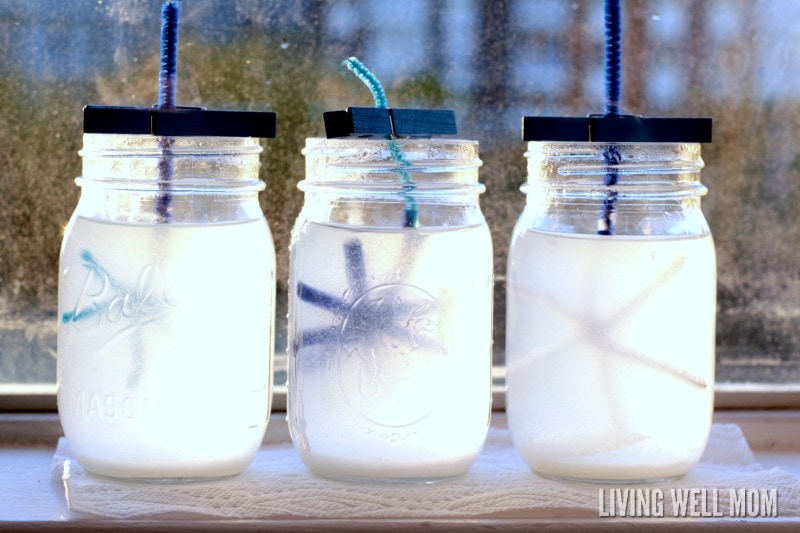
Salt Crystal Snowflake: Easy Winter STEM Science for Kids
Create beautiful salt crystal snowflakes while learning about evaporation and crystallization. This simple science experiment uses basic household supplies and turns into a sparkling winter craft your preschooler will love. It's a fun mix of science and creativity, perfect for snowy days.
DIY STEM Project For Kids: Exploding Snowman | Virtual Club
The exploding snowman experiment is a silly and exciting way to explore chemical reactions with your preschooler. Using just a few kitchen ingredients, kids can build a snowman that fizzes and pops. It’s the perfect blend of winter fun and early STEM learning.
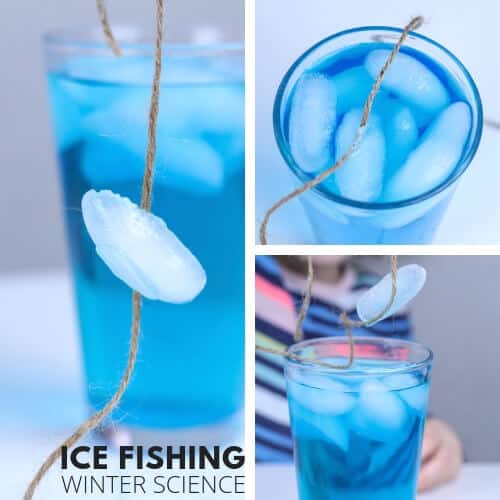
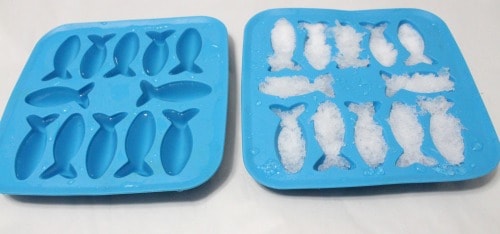
This ice fishing experiment is a playful way to explore the science of freezing and melting. With just ice cubes, salt, and string, preschoolers can “catch” ice and learn how salt affects ice temperatures. It’s a quick and easy winter science activity with big wow factor.
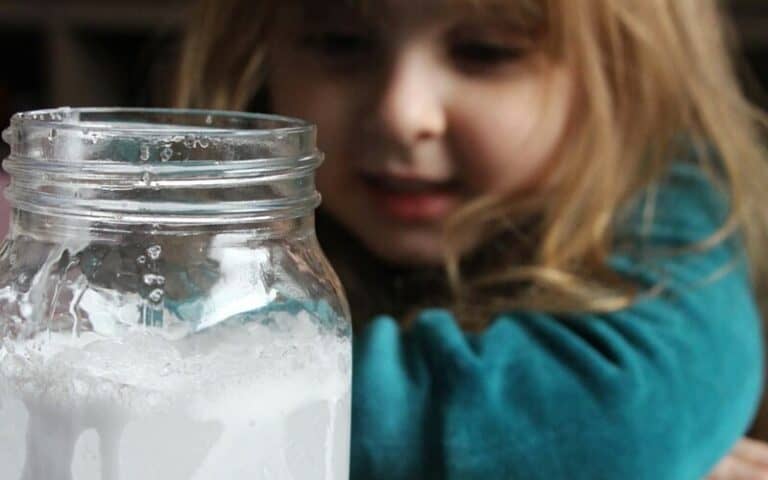
The snowstorm-in-a-jar experiment brings weather science to life with a swirling, snowy scene in a bottle. Using simple materials like oil, water, and Alka-Seltzer, preschoolers can explore reactions and density in a fun, visual way. It’s a great indoor activity for cold winter days.
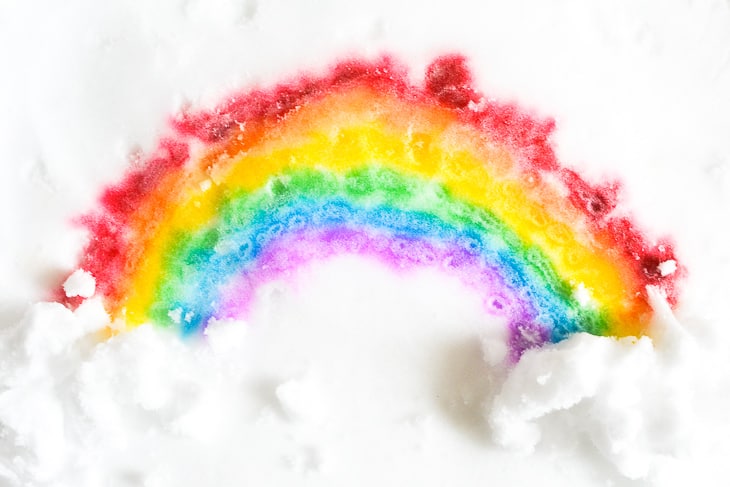
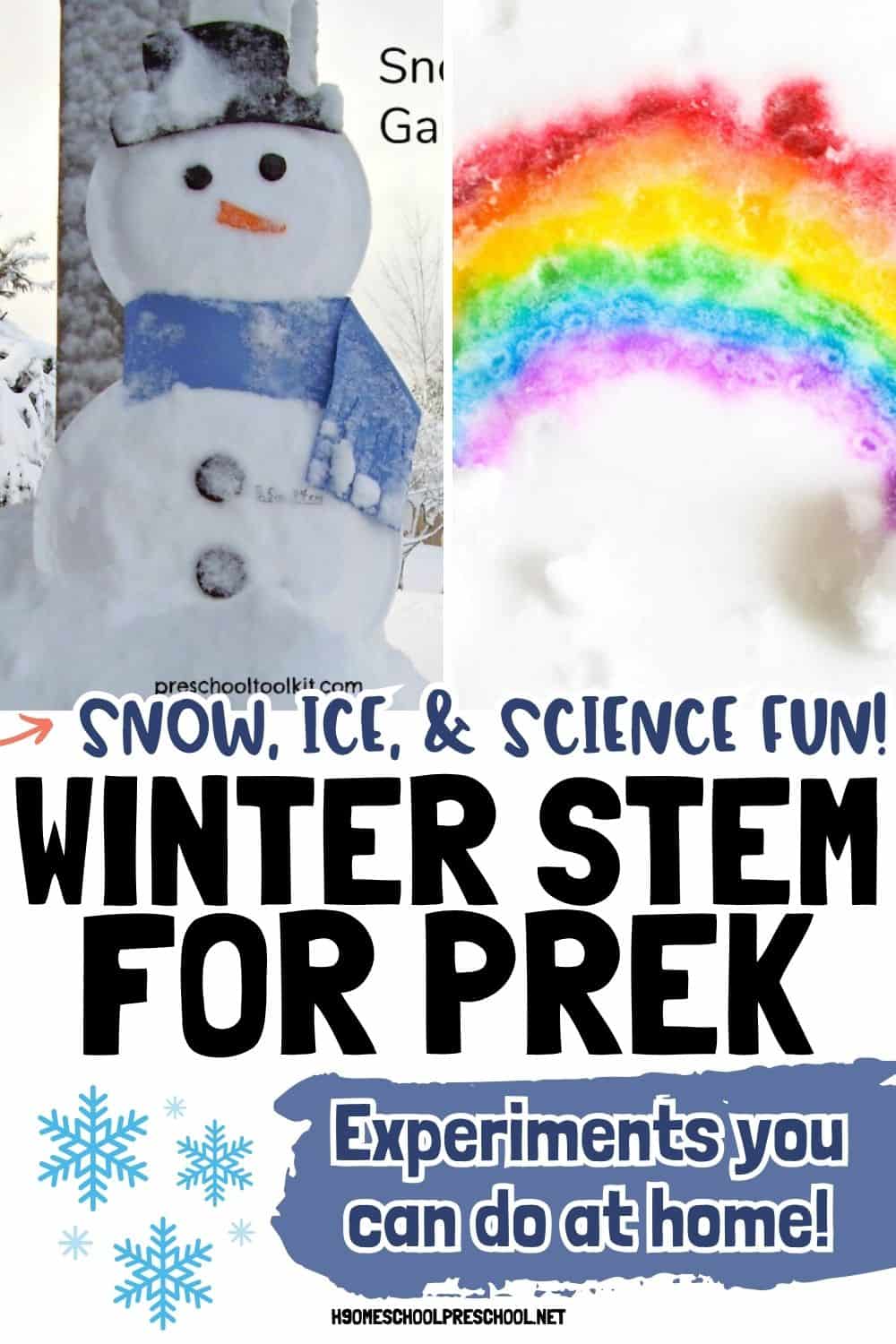
Color mixing in the snow is a creative winter science activity that lets preschoolers explore how colors blend while playing outside. With just snow and a few drops of food coloring, kids can experiment freely and observe color changes in real time. It’s simple, open-ended, and perfect for curious little learners.
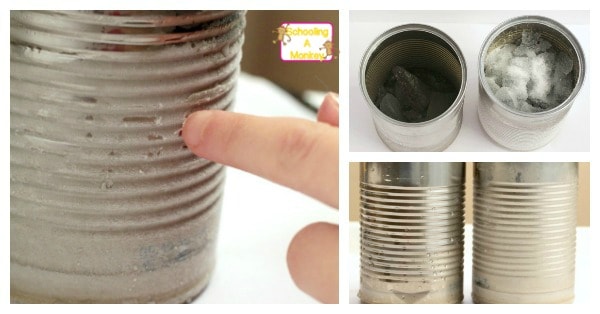
This frost-making experiment lets preschoolers create their own frost inside a can using just salt and ice. It’s a hands-on way to explore how frost forms and what causes freezing. A great introduction to winter weather science with a fun, chilly twist.
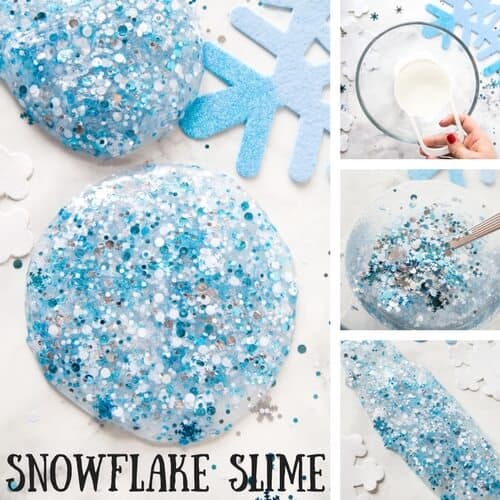
Make sparkly snowflake slime with this fun winter science activity. Preschoolers can stretch, squish, and explore while learning about texture and states of matter. It’s a great sensory experience that adds some science magic to your winter days.
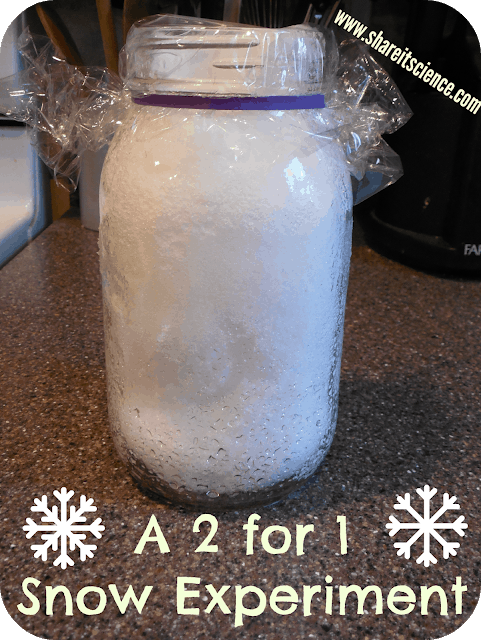
This two-in-one science activity explores both snow insulation and melting. Preschoolers can observe how snow acts as an insulator and experiment with how different materials affect melting rates. It’s an engaging way to connect real-world weather to simple science concepts.
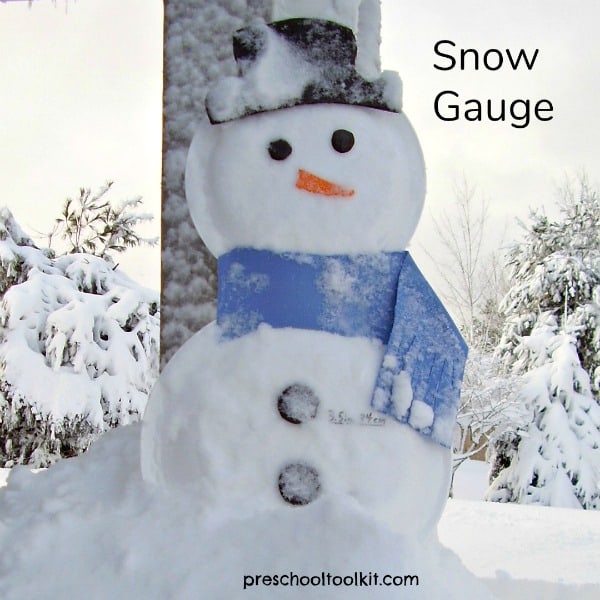
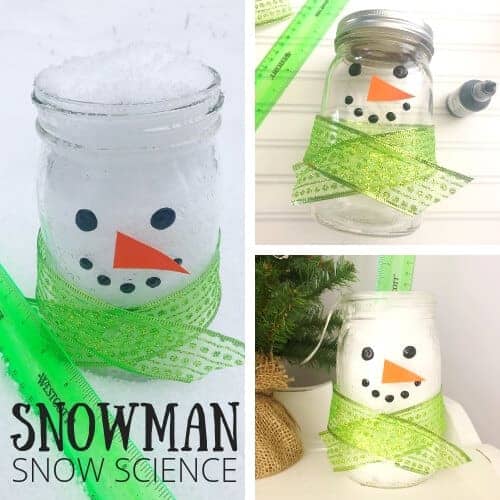
This snowman measurement activity combines crafting with hands-on science as preschoolers track snowfall using a homemade snowman ruler. Kids will love checking the snow each day and recording how much has fallen. It’s a fun, interactive way to practice observation and early math skills.
Hot chocolate science is a cozy winter experiment that explores how temperature affects dissolving. Preschoolers can test what happens when marshmallows, chocolate chips, or cocoa mix are added to warm water. It’s a simple, tasty way to mix science with a favorite seasonal treat.
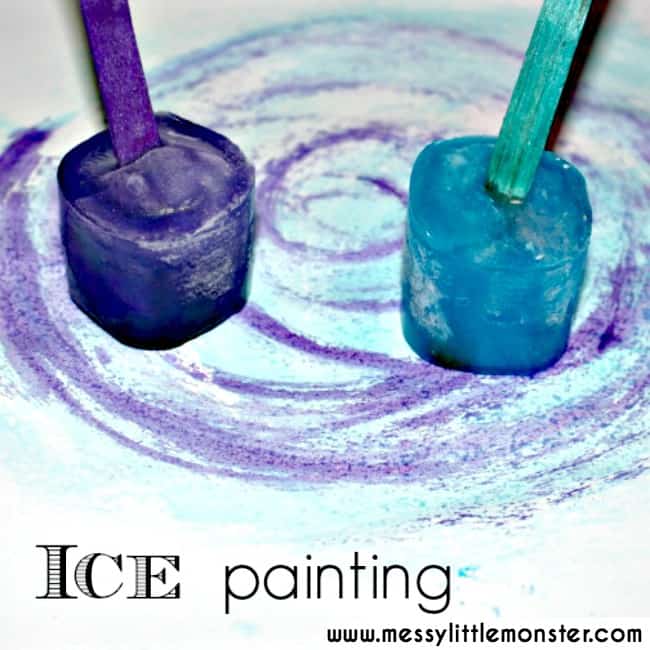
Ice painting is a colorful process art activity that introduces preschoolers to the science of melting. As the ice melts, kids can observe color blending and temperature changes while creating beautiful artwork. It’s a perfect mix of creativity and winter science exploration.
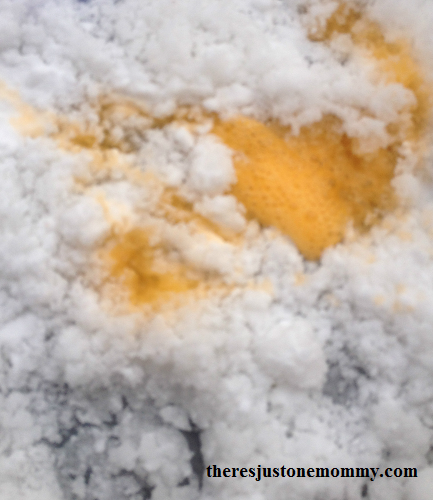
This snow science experiment lets preschoolers investigate what’s really in snow by melting and observing it. Kids collect fresh snow, watch it melt, and explore any surprises left behind. It’s a simple but eye-opening activity that encourages curiosity about the natural world.
The snow sink-or-float experiment is a fun twist on a classic science activity. Preschoolers can test different objects in snow to see which sink and which stay on top, building early prediction and observation skills. It’s an easy way to bring science outdoors in winter.
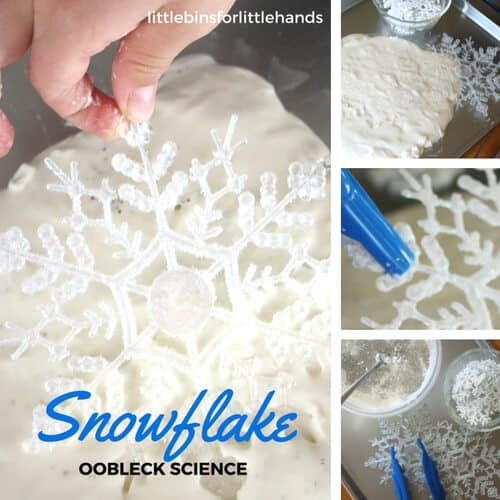
Snowflake oobleck combines winter-themed fun with hands-on sensory science. This activity lets preschoolers explore the unique texture of oobleck while learning about solids and liquids. It’s messy, magical, and perfect for curious little scientists.
The fizzing snow experiment is an exciting way for preschoolers to explore chemical reactions. Using baking soda and vinegar, kids can create fizzy snow eruptions that bubble and pop. It’s simple to set up and adds a fun, hands-on element to winter science play.
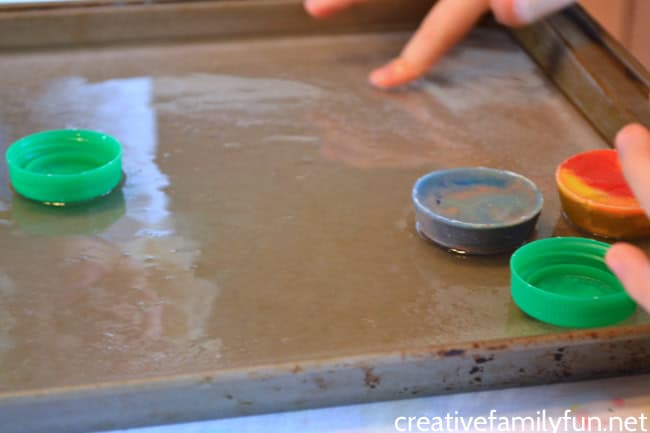
Hockey science is a playful experiment that teaches preschoolers about force, friction, and motion using simple materials. Kids can test how different surfaces affect how far a puck slides. It’s an energetic way to combine winter sports and early STEM learning.
The snowstorm-in-a-jar experiment is a fun way to model winter weather indoors. Using oil, water, and a fizzy tablet, preschoolers can watch a swirling snowstorm unfold in a clear container. It’s a simple, visual science activity perfect for cold, snowy days.
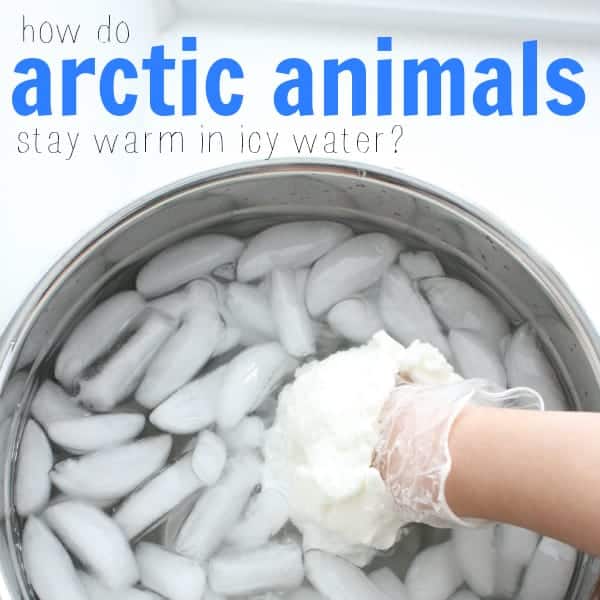
This blubber experiment shows preschoolers how Arctic animals stay warm in freezing temperatures. Using a bag of shortening to mimic blubber, kids can dip their hands in icy water and feel the difference. It’s a hands-on way to explore animal adaptations in winter.
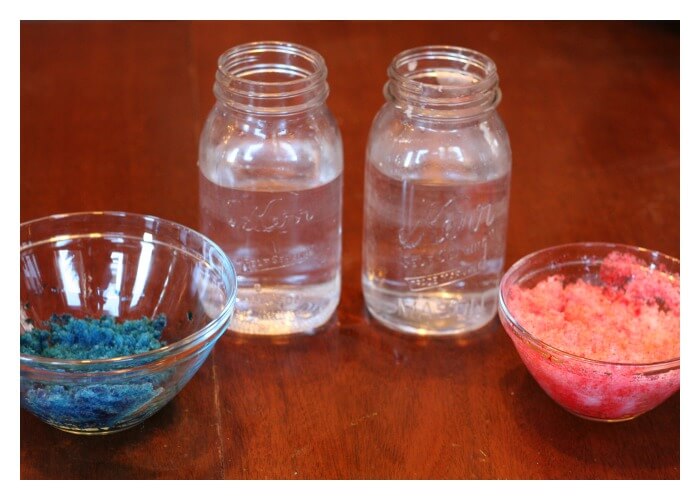
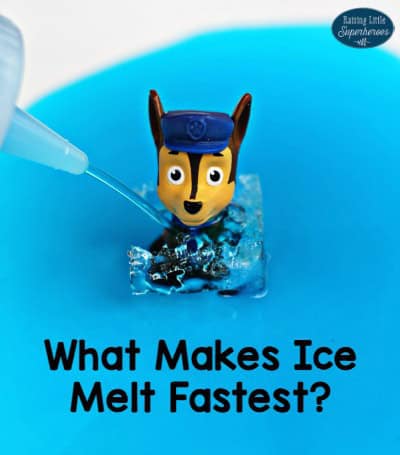
This ice melting experiment invites preschoolers to test which materials make ice melt the fastest. Kids can compare salt, sugar, and other household items while learning about temperature and reactions. It’s an easy setup that sparks curiosity and scientific thinking.
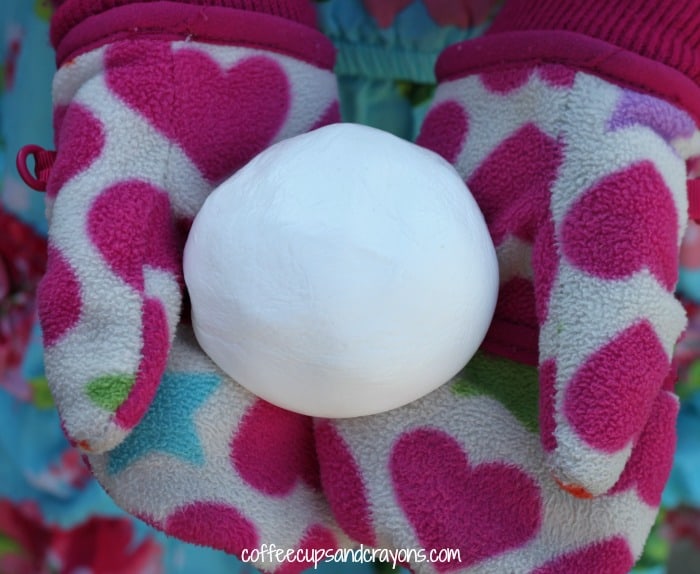
The super bouncy snowballs experiment lets preschoolers create their own snowy balls that bounce. With a simple recipe and a few basic ingredients, kids can explore texture, cause and effect, and motion. It’s a playful mix of science and sensory fun.
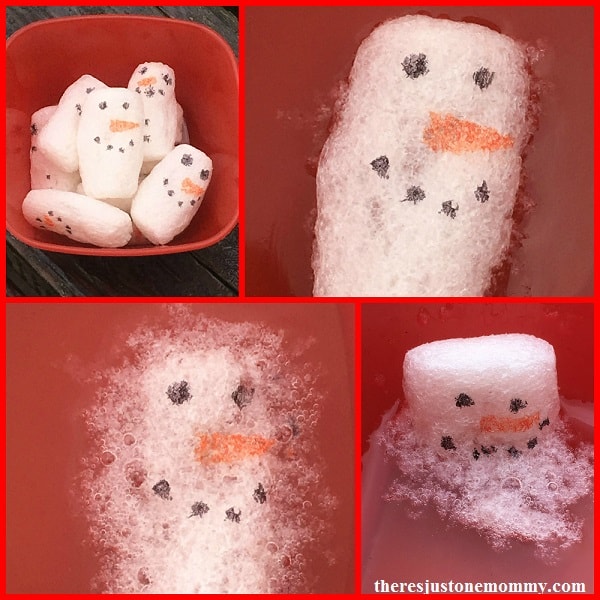
The melting snowman experiment is a fun way for preschoolers to explore states of matter and temperature changes. Kids build a snowman using simple materials, then watch it melt while learning about solids turning into liquids. It’s a hands-on winter activity with a strong science focus.
This melting snowmen STEM activity encourages preschoolers to design and test ways to melt snowmen faster. Using salt, warm water, or other methods, kids can explore cause and effect while building problem-solving skills. It’s a creative and interactive way to mix science and winter fun.
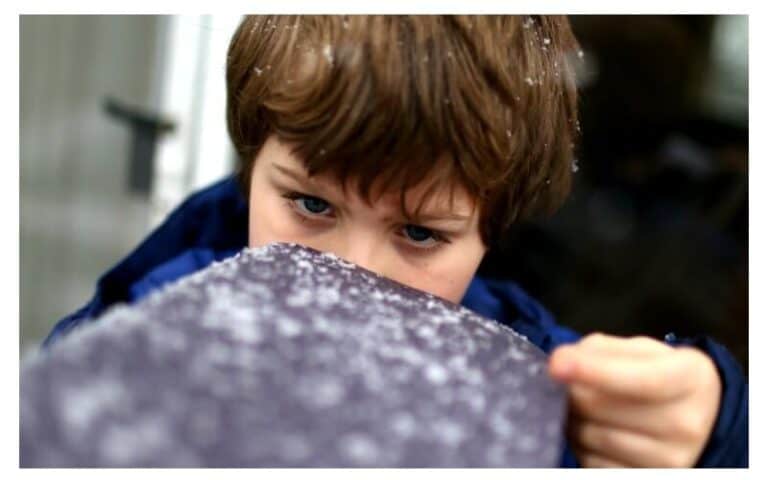
The snowflake catching experiment helps preschoolers observe real snowflakes up close. With a black piece of paper and a magnifying glass, kids can explore the unique shapes and details of each flake. It’s a gentle, hands-on way to introduce winter science and observation skills.
What age are these winter science experiments best for?
These activities are designed for preschoolers ages 3 to 5, but many can be adapted for toddlers or early elementary kids with a little support.
Do I need snow or freezing temperatures to try these experiments?
Not all of them! While some activities work best outdoors with snow or cold weather, many can be done indoors using ice, water, or simple household items.
How can I make science experiments more engaging for preschoolers?
Keep things hands-on, ask lots of “What do you think will happen?” questions, and allow plenty of time for exploration and play. Adding a printable observation sheet can also help them talk about what they see and learn.
Wrapping it all up, winter provides a unique opportunity to explore the fascinating world of science in fun, engaging, and hands-on ways.
Whether you’re burning ice, creating a snowstorm in a jar, or figuring out how Arctic animals stay warm, these activities are sure to spark curiosity and foster a love for learning.
So, brave the chill, grab your mittens and get ready to delve into the wonders of winter science. Who knew learning could be this cool?
Tara is the brains behind Homeschool Preschool, where her journey from preschool and public school teacher to homeschooling mom of three fuels her passion for early childhood education. With a blend of expertise and firsthand experience, Tara’s writings offer practical tips and engaging resources to support families in creating meaningful learning adventures at home.







One Comment