How to Teach Letters to Kindergarteners
If you’ve ever wondered how to teach letters to kindergarteners, you’re in the right place! Helping kids master their ABCs is one of the most exciting parts of early learning—and it lays the foundation for everything that comes next.
Before children can dive into reading, they need to feel confident identifying and naming letters, understanding their sounds, and recognizing how they work together. That’s why alphabet and letter recognition activities are so important at this stage. Whether your little learners are just starting to explore the alphabet or need a little extra practice, this post is packed with playful, hands-on strategies to make learning letters fun and effective.
From letter-of-the-week ideas to simple games, crafts, songs, and sensory activities, you’ll find tips and tools to support your kindergartener every step of the way. Let’s build strong literacy skills—one letter at a time!
Understand What Letter Knowledge Includes
There’s more to learning the alphabet than just singing the ABC song. Kindergarteners need a solid foundation in several areas to become confident readers and writers.
In my experience working with early learners, I’ve found that focusing on the four key elements below creates a strong base for future reading success and aligns with early literacy best practices recommended by educators and child development experts.
- Letter Recognition – The ability to identify both uppercase and lowercase letters by sight, in and out of order. Children should recognize a letter and name it, whether it’s in a book or on a sign at the store.
- Letter Names vs. Letter Sounds – Begin with letter names, then introduce the sounds they make. This builds the bridge to phonics and blending.
- Letter Formation – Writing each letter by hand reinforces recognition and develops the fine motor skills needed for handwriting.
- Alphabet Sequence Knowledge – Understanding the alphabetical order helps with memory, organizing thoughts, and using songs or games for reinforcement.
Teaching these elements consistently helps children become confident and capable early readers.
How to Teach Letters to Kindergarteners
Teaching letters to kindergarteners doesn’t have to feel overwhelming. With the right mix of structure, play, and repetition, you can make learning the alphabet both fun and effective.
Below, you’ll find simple strategies and engaging alphabet activities to help young learners build strong letter recognition skills with confidence.
Start with the Basics
When introducing letters to kindergarteners, it’s best to keep things simple and focused. Begin by teaching just 5 to 7 letters at a time, allowing kids to build confidence and familiarity without feeling overwhelmed. A great place to start is with meaningful letters, such as those in the child’s name, or high-utility letters that appear often in common words.
It’s also helpful to teach uppercase letters first. Their simpler shapes and consistent sizing make them easier for young learners to recognize and form. Once uppercase letters are familiar, you can begin introducing the corresponding lowercase forms.
To boost understanding and retention, be sure to include multi-sensory experiences. Have kids trace letters in sand, shape them with playdough, or write them in the air with their fingers. These hands-on methods engage multiple senses, making letter learning much more memorable.
Make It Hands-On and Engaging
Kindergarteners learn best when they’re actively involved, so hands-on activities are a must when teaching letters. Tactile experiences help children connect what they see to what they feel, strengthening memory and recognition. Try using sandpaper letters, playdough shapes, or salt trays for finger tracing—these simple materials make a big impact.
Incorporate art to add a splash of creativity! Activities like Q-tip painting, rainbow writing, and letter crafts make practice enjoyable and engaging. Kids will love decorating letters with stickers, tearing paper to fill in letter outlines, or transforming a letter into an animal or object that starts with the same sound.
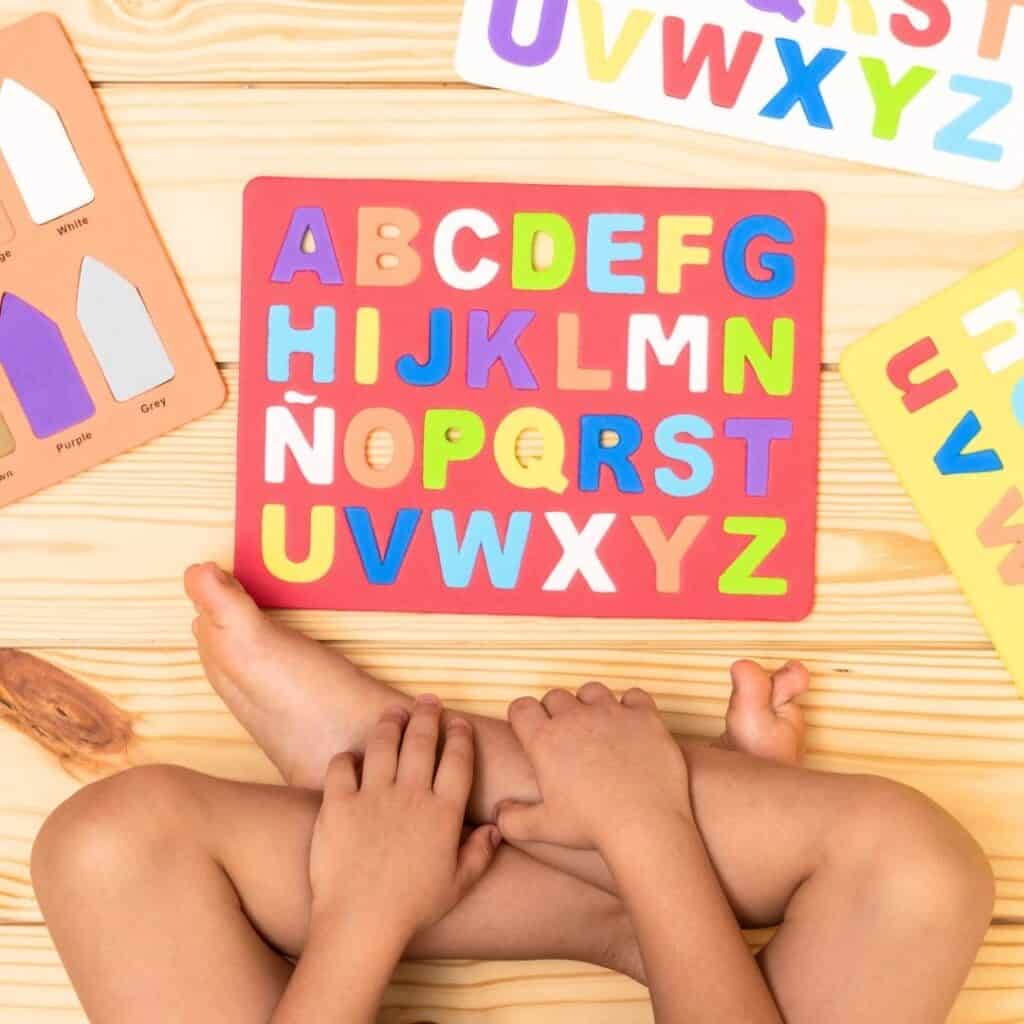
Alphabet puzzles and manipulatives are also fantastic tools. Magnetic letters, foam cutouts, and letter tiles can be used for sorting, matching uppercase and lowercase letters, and building simple words. These fun, interactive methods make learning the alphabet feel like a game—and that’s when the magic happens!
Use Songs, Rhymes, and Alphabet Books
Music and rhythm are powerful tools for helping kindergarteners remember letter names and sounds. Alphabet songs not only reinforce the order of the letters but also help children hear and practice phonemic patterns. Classic songs like the ABCs or fun, upbeat versions found online can become part of your daily routine to build consistency and confidence.
Alphabet books are another engaging way to spotlight each letter. Favorites like “Chicka Chicka Boom Boom” or “Dr. Seuss’s ABC” bring letters to life with vibrant illustrations, rhyming text, and engaging storylines. You can even create your own alphabet book with your child by drawing or collecting images that match each letter.
To add even more fun, try movement-based rhymes and chants. Activities like clapping on each syllable, jumping for a letter sound, or dancing out a letter shape combine physical activity with learning—perfect for energetic kindergarteners!
Incorporate Letter of the Week
One of the most effective—and fun—ways to teach letters is through a Letter of the Week approach. By focusing on one letter at a time, you give children the opportunity to fully explore and understand each letter’s shape, sound, and meaning in a variety of engaging ways.
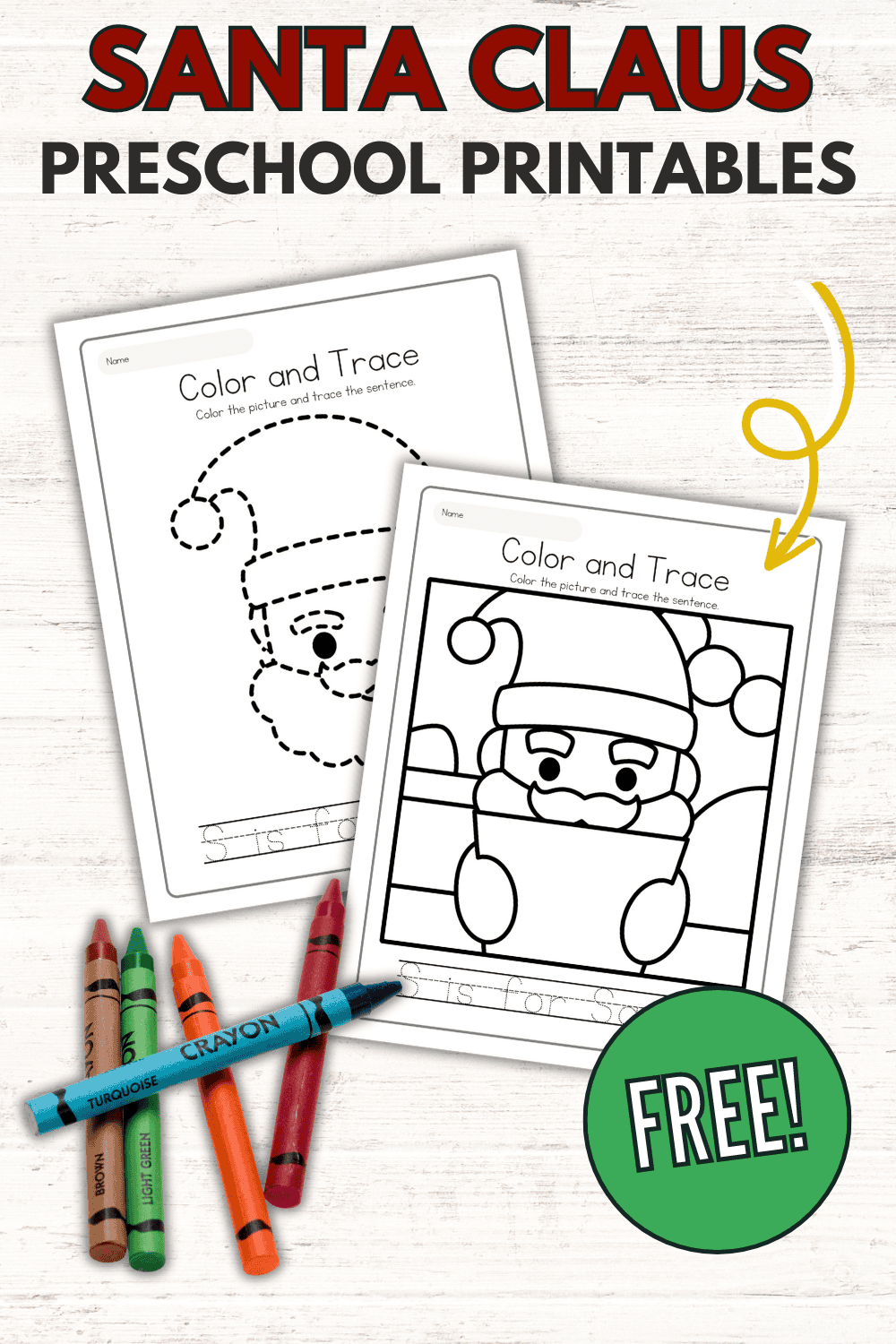
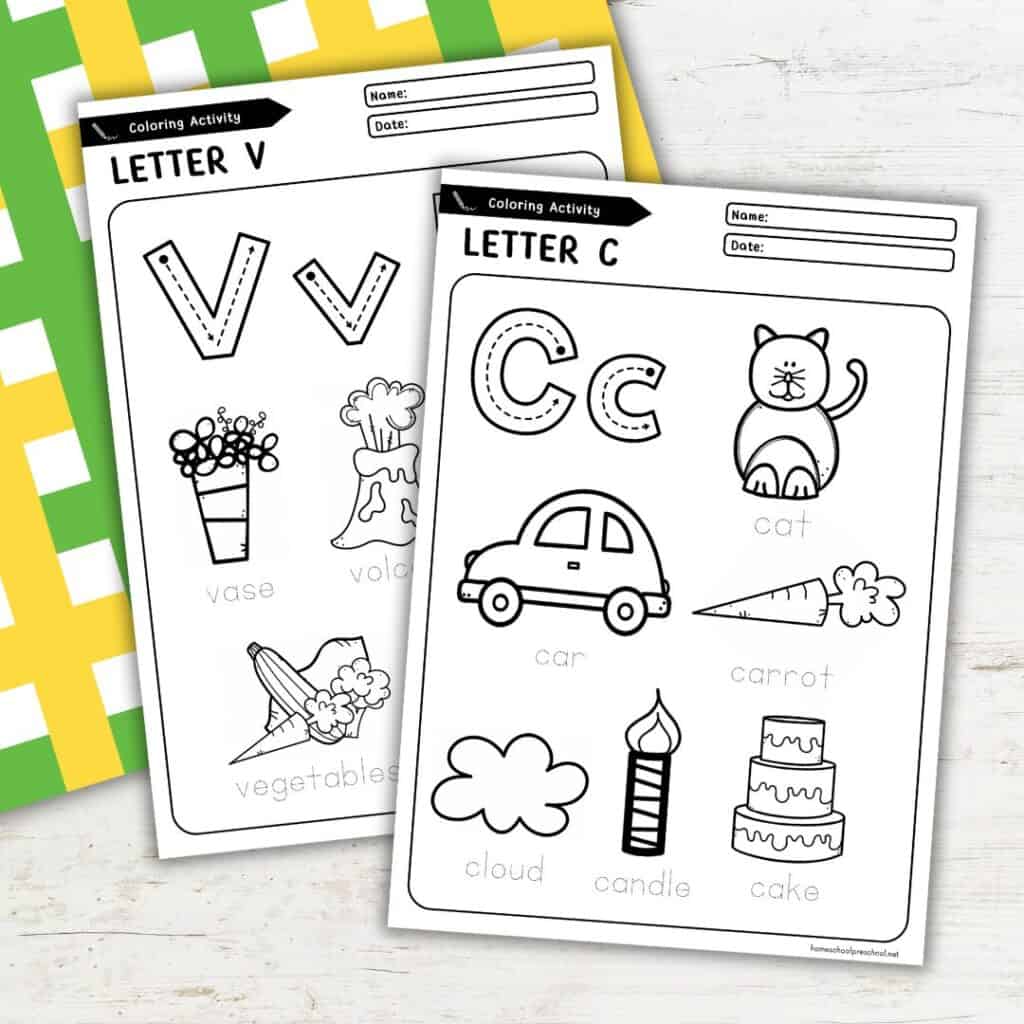
Start with a simple show and tell: introduce the letter, say its name and sound, and show real-life objects that begin with that letter. Follow up with themed crafts and worksheets that provide kids with hands-on practice in forming and recognizing the letter. For example, complete a “B is for Butterfly” activity pack or complete a Letter A line tracing sheet.
Add some excitement with sensory bins filled with items that start with the week’s letter, or send kids on a scavenger hunt around the room or house to find matching objects. Reinforce learning with tracing pages, coloring sheets, and cut-and-paste activities that let kids interact with the letter in different ways throughout the week.
Integrate Letters into Daily Routines
Teaching letters doesn’t have to be limited to sit-down lessons—some of the best learning happens during everyday moments. One easy way to reinforce letter recognition is by labeling everyday items with letter tags. Label the door with a “D,” the fridge with an “F,” or place sticky notes on toys, furniture, and supplies. Seeing letters in familiar places helps kids make real-world connections.
Play a quick “spot the letter” game during storytime, grocery trips, or walks around the neighborhood. Ask questions like, “Can you find a ‘B’ on that sign?” or “Do you see an ‘S’ on the cereal box?” This turns letter practice into a fun scavenger hunt.
You can also weave letter learning into your morning messages and calendar routines. Highlight the letter of the day, include it in the date or weather sentence, and encourage kids to find it in the words you write on a whiteboard or chart. These small, consistent exposures add up over time!
Use Printable and Digital Resources
Printable and digital tools can add variety and structure to your letter teaching routine. They’re perfect for reinforcing skills and giving kids extra practice in fun, low-pressure ways. Start with letter tracing worksheets to help children learn proper letter formation while building muscle memory. These can be used with pencils, crayons, or even laminated for reusable dry-erase practice.
Bingo dauber printables are another favorite—kids love stamping their way through the alphabet, which also strengthens fine motor skills. For visual learners, alphabet flashcards and puzzles are excellent for matching uppercase and lowercase letters or connecting letters to their corresponding beginning sounds.
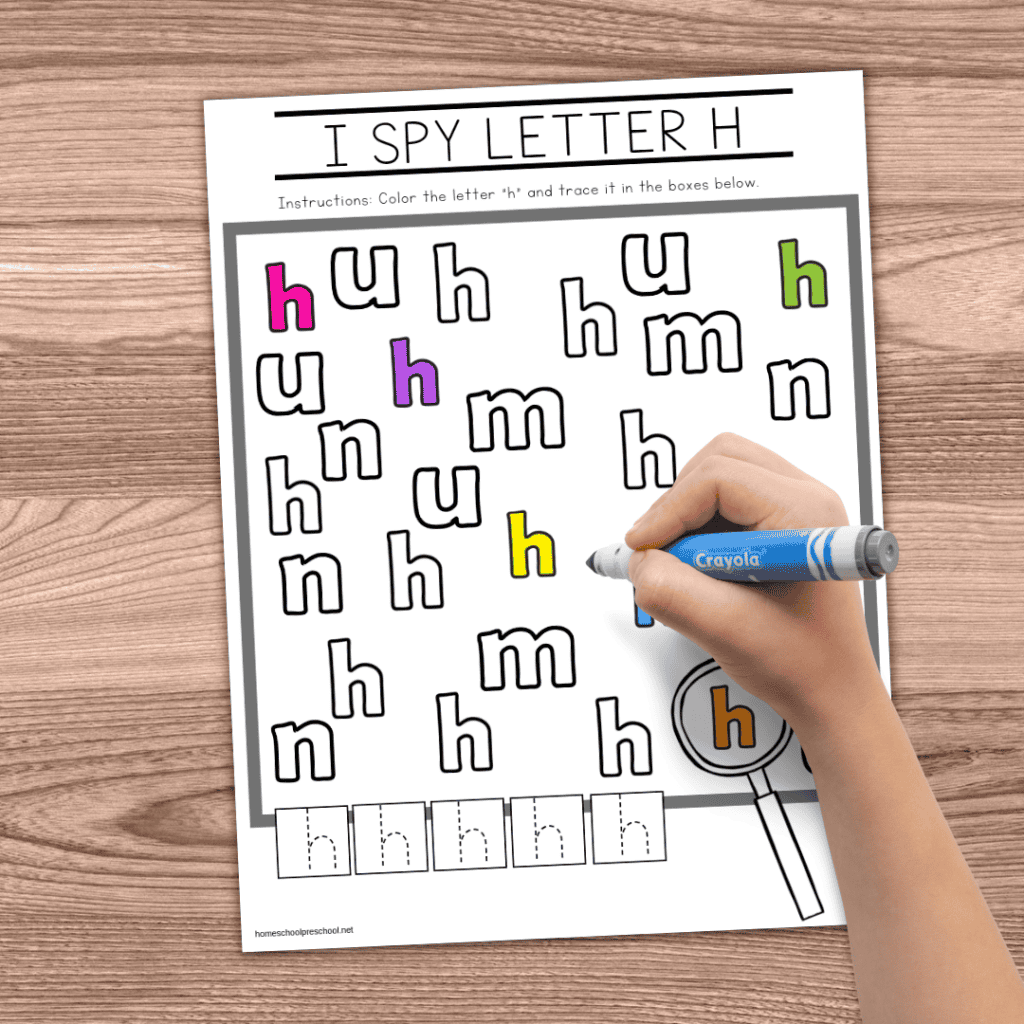
To mix in a little fun, try simple letter recognition games like “Alphabet Bingo,” where kids cover letters as they’re called out, helping them practice recognition and listening skills. Or play “Alphabet I Spy” to spot letters in books, signs, or around the room. These resources keep learning fresh and engaging!
Encourage Repetition and Patience
When teaching letters to kindergarteners, it’s important to remember that every child learns at their own pace. Some may pick up letter names and sounds quickly, while others need more time and repetition, and that’s perfectly normal. Be patient and create an environment where learning feels safe and supportive.
Incorporate frequent review into your routine and spiral back to letters you’ve already taught to keep them fresh in your child’s mind. This consistent practice builds confidence and helps letters “stick” over time.
Above all, lead with praise and encouragement rather than correction. Celebrate small wins, like remembering a tricky letter or forming it correctly for the first time. A positive, nurturing approach boosts motivation and helps children feel proud of their progress, regardless of how fast or slow it may come.
Monitor Progress and Adjust
As you move through letter instruction, it’s helpful to keep an eye on your child’s progress to ensure they’re building a strong foundation. Signs of mastery include being able to correctly name letters, recall their sounds, and form them with confidence, both on paper and through hands-on activities.
If your kindergartener seems disinterested, frustrated, or stuck on a certain letter, don’t be afraid to slow down or try a new approach. Switching formats—from worksheets to songs, or from tracing to sensory bins—can reignite interest and support different learning styles.
To check in on progress in a fun, low-stress way, try simple assessments like matching uppercase and lowercase letters, identifying beginning sounds, or playing mini letter quizzes with flashcards. These activities can provide insight into what’s sticking and where extra support may be needed.
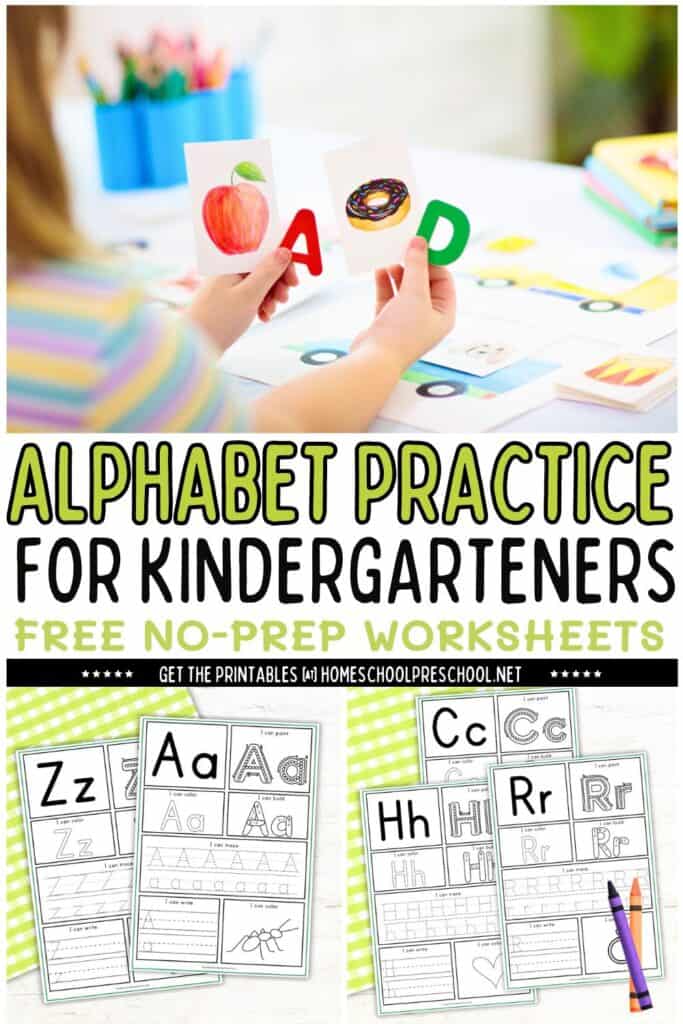
Teaching letters to kindergarteners is a meaningful and rewarding part of early childhood education. With patience, creativity, and a variety of hands-on strategies, you can help young learners build the confidence and skills they need to recognize, name, and understand letters.
By weaving letter learning into everyday routines, using playful activities, and adjusting your approach as needed, you’re laying the groundwork for strong reading and writing success. Remember—every child learns at their own pace, and a joyful, supportive environment makes all the difference.

Tara is the brains behind Homeschool Preschool, where her journey from preschool and public school teacher to homeschooling mom of three fuels her passion for early childhood education. With a blend of expertise and firsthand experience, Tara’s writings offer practical tips and engaging resources to support families in creating meaningful learning adventures at home.