Sunflower Science for Preschoolers: Life Cycle Activities That Stick
Preschoolers are naturally curious about how things grow, making sunflower science for preschoolers a perfect starting point. As a teacher and mom, I’ve found that sunflowers offer the ideal mix of wonder and simplicity—kids can plant a seed, watch it sprout, and see it grow taller than they are!
If you’re planning sunflower preschool activities, this post will help you add a hands-on science twist. We’ll explore the sunflower life cycle in preschool-friendly language, add in some fun fine motor practice, and bring it all together with a printable Sunflower Observation Journal you can use at home or in the classroom. It’s science, storytelling, and real-life learning all in one sunny package!
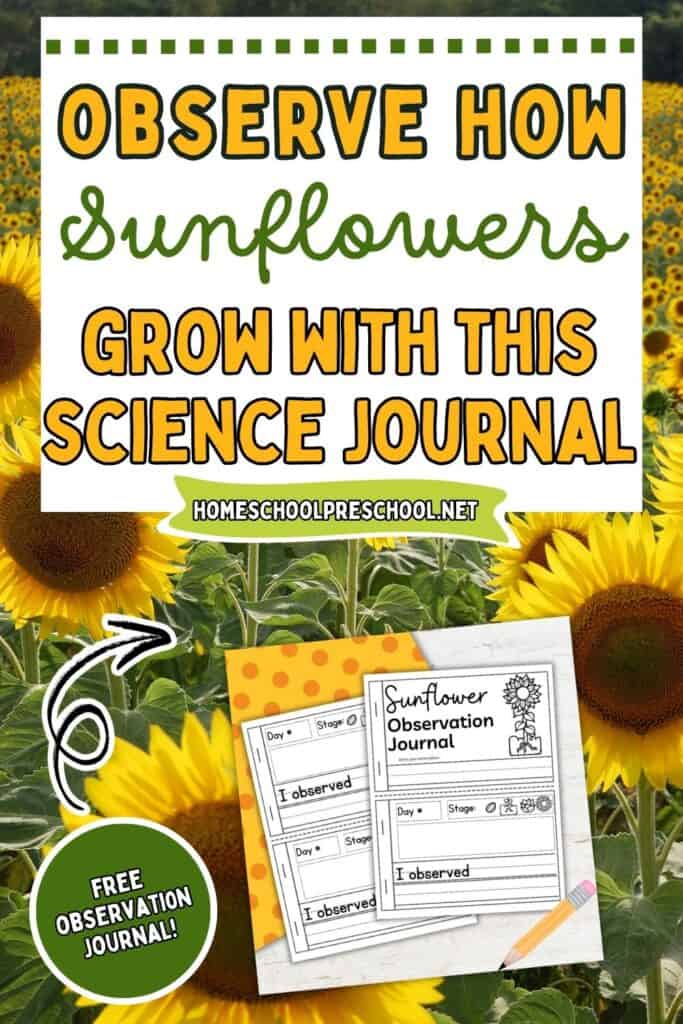
Sunflower Life Cycle Stages
Teaching the sunflower life cycle step by step helps preschoolers understand how plants grow and change. Use simple language, hands-on visuals (like puzzles or sequencing cards), and real-life connections to make each stage meaningful and fun.
Seed
It all starts with a tiny sunflower seed! Show your preschooler what the seed looks like and talk about what it needs to grow—soil, water, and sunshine. Let them help plant one in a cup or garden bed.
Sprout
Soon, the seed begins to change. Roots grow down into the soil, and a tiny green stem starts to reach up. This is called a sprout!
Seedling
The stem grows taller and the first little leaves appear. At this stage, it’s called a seedling. Your child might notice it needs more water and light now.
Mature Plant
The sunflower keeps growing and gets much taller. More leaves appear, and soon a small flower bud begins to form at the top.
Flower
The bud opens into a big, bright yellow flower—this is the part preschoolers love most! Talk about the petals, the middle of the flower, and how it faces the sun.
Seeds Again
Once the flower fades, seeds begin to form in the center. These seeds can be harvested, eaten, or planted again to start the life cycle all over.
???? Tip: Use our Printable Sunflower Life Cycle Puzzles or Sequencing Printables to help reinforce these stages with visuals and hands-on practice!
Hands-On Sunflower Life Cycle Activities
Preschoolers learn best through play, movement, and hands-on experiences. These activities reinforce the stages of the sunflower life cycle while building fine motor skills and encouraging curiosity.
Use Printable Puzzles and Sequencing Cards
Print and cut out sunflower life cycle puzzles or sequencing cards to help children visually organize the stages. These are perfect for small group work or science centers. You can find them in our pack of Sunflower Life Cycle worksheets.
Cut-and-Paste Sunflower Craft
Try this simple and engaging Sunflower Life Cycle Paper Plate Craft. Preschoolers glue the life cycle stages around the edge of a paper plate, creating a hands-on visual they can revisit again and again. It’s a great way to combine sequencing, fine motor skills, and science all in one fun project.
Sunflower Life Cycle Counting Mats
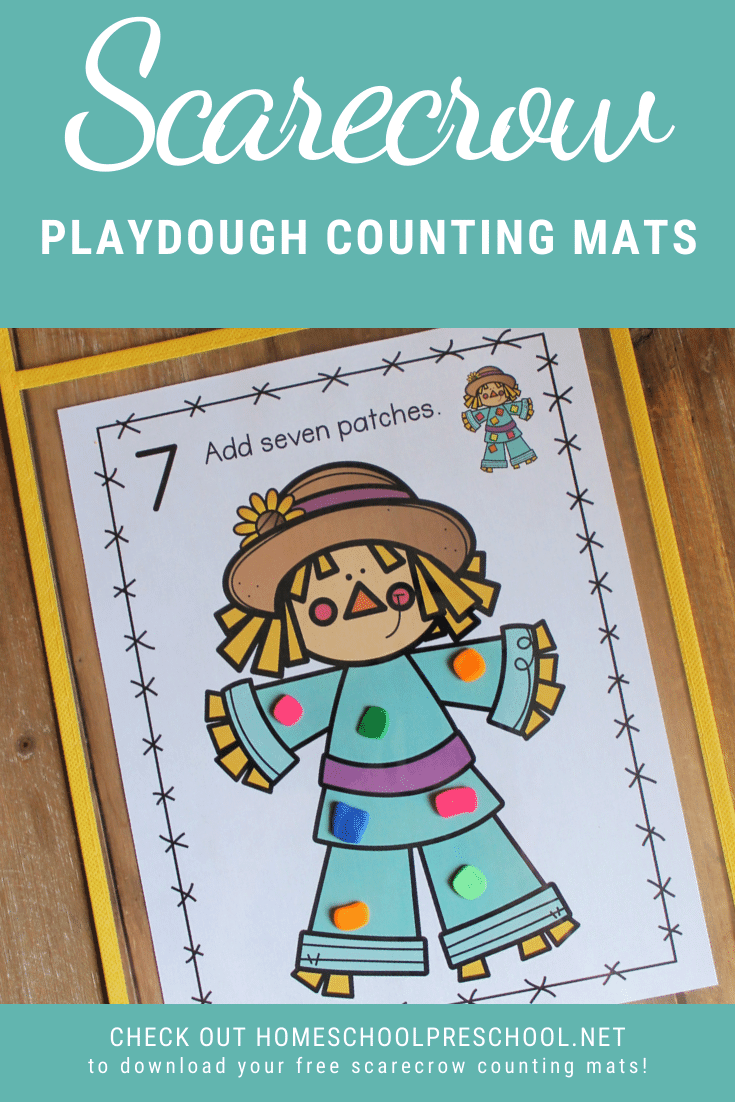
Combine science and math with our sunflower counting mats. Children can count sunflower seeds, petals, or sprouts while reviewing each stage. Grab them here: Sunflower Life Cycle Counting Mats.
Plant a Real Sunflower
Nothing beats real-life observation. All you need is a pot, soil, water, sunshine, and a sunflower seed. Track the plant’s progress using the free observation journal included in this post.
Pretend Play the Life Cycle
Turn science into movement! Have your preschooler curl up like a seed, slowly stretch into a sprout, and grow tall like a sunflower reaching for the sun. It’s a playful way to act out what they’re learning.
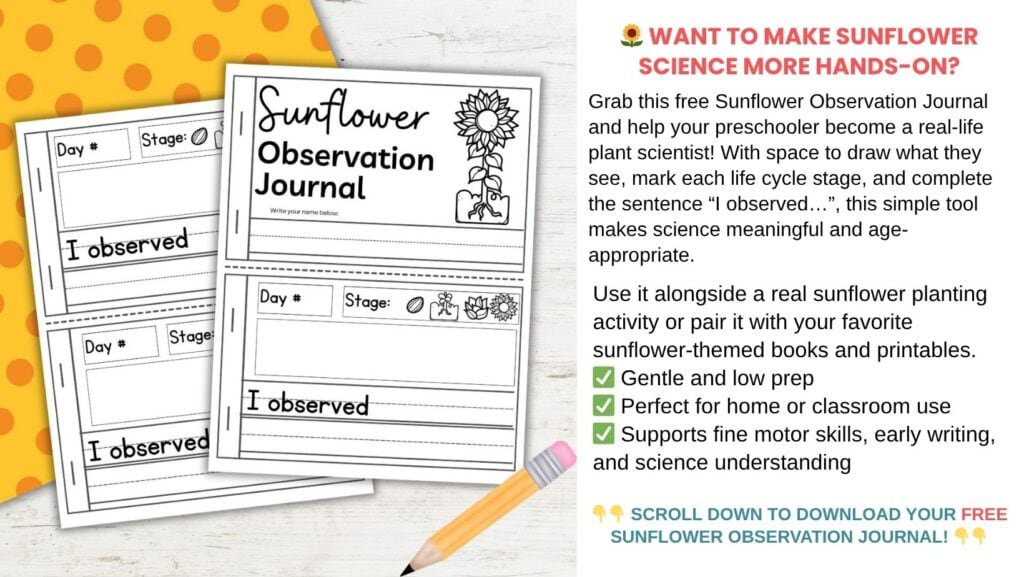
Track Your Sunflower’s Growth Like a Scientist
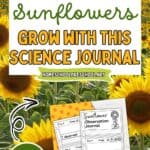
Help your preschooler become a little botanist by observing a real sunflower as it grows! Our free Sunflower Observation Journal is the perfect companion for this hands-on learning experience.
Each time your child checks on their sunflower, they’ll draw what they see, mark which stage it’s in, and finish a simple sentence like “I observed…” This builds not only observation skills but also language development and confidence.
The act of recording daily or weekly changes helps the science stick. Kids begin to understand that plants grow in stages, and they feel proud of noticing real-life progress. Whether you’re growing a sunflower in a cup on the windowsill or outside in the garden, this journal brings the learning to life.
Ready to Keep Learning?
If your preschooler loved learning about sunflowers, there’s so much more you can explore together. Explore our comprehensive collection of sunflower preschool activities, featuring crafts, sensory play, early math, and literacy ideas to create an engaging sunflower-themed unit.
Looking to dive deeper into life cycles? You’ll find even more printable life cycle activities in our shop, including frogs, butterflies, and apples—perfect for seasonal learning or science centers year-round.
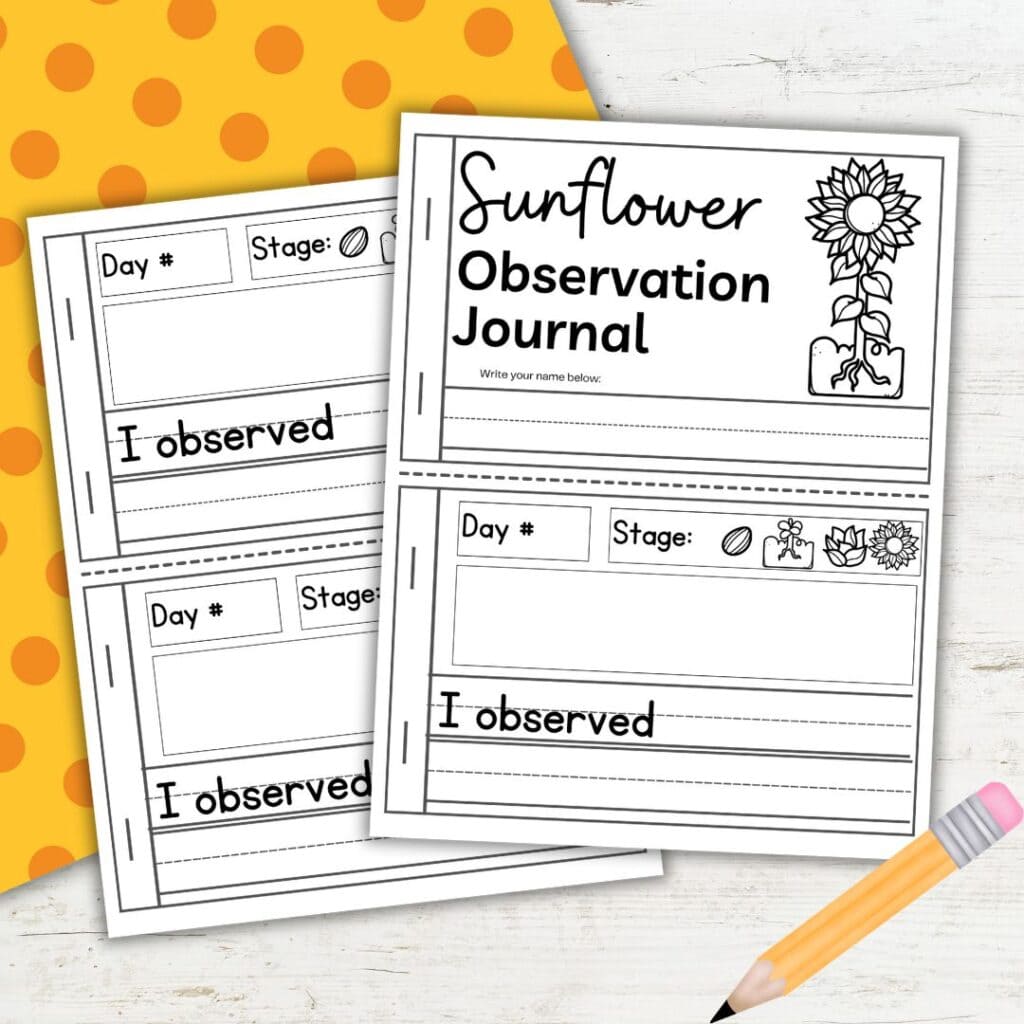
And don’t forget to grab your free Sunflower Observation Journal if you haven’t already! It’s a simple, meaningful way to bring science to life for your little learner.


Tara is the brains behind Homeschool Preschool, where her journey from preschool and public school teacher to homeschooling mom of three fuels her passion for early childhood education. With a blend of expertise and firsthand experience, Tara’s writings offer practical tips and engaging resources to support families in creating meaningful learning adventures at home.