How to Create a Calm Preschool Day Without a Schedule

By 9 a.m., your calm preschool day already feels off track. The preschool daily schedule you printed from Pinterest looked perfect last night, with color-coded blocks and tidy boxes for snacks and learning time, but somehow the crayons hit the floor before circle time even started. The toddler is hungry. The baby’s up early. The plan’s unraveling before the day begins.
I’ve been there too. When I first started researching how to homeschool preschool, I thought success meant keeping everything on track. A neat plan felt like a safety net, as if order could protect us from chaos.
But preschoolers don’t live by the clock. They live in moments of wonder and movement, and they learn best when the day bends with them, rather than trying to hold them still.
Peaceful days at home aren’t about sticking to a schedule. They grow from connection, curiosity, and a gentle rhythm that fits your real life. When you stop chasing perfect structure, you make room for days that feel steady and meaningful—days that flow instead of fight.
Calm Preschool Days at a Glance
• What it’s about: Creating a calm preschool day without a rigid schedule
• Key idea: Use rhythm and daily anchors to guide your day, not the clock
• Why it helps: Less stress, more connection, and a better fit for real life
• You’ll learn:
• Why strict schedules often backfire
• How to build a flexible flow at home
Why Rigid Schedules Don’t Work for Preschoolers
Most traditional preschool schedules are designed for classrooms, not real-life homes. They’re built to manage large groups of children with bells, timers, and timed transitions that keep everything on track. But at home, you’re not managing a classroom—you’re building a life. And that life doesn’t need a school bell.
Preschoolers move through their day based on curiosity, emotion, and energy, not the clock. Some mornings they’re eager to dive into pretend play. Other times, they need slow starts, extra snuggles, or space to follow one interest a little longer. A rigid homeschool preschool schedule often creates more tension than support—for both of you.
That’s why a flexible preschool routine at home can make all the difference. It still offers predictability and rhythm, but without the pressure to keep up with the clock. When your day flows with your child instead of trying to fit them into a fixed plan, everything feels calmer, more connected, and more doable.
Start with the Anchors
Instead of trying to plan every hour, start by building your day around natural anchors—those predictable moments that already happen, no matter what. Meals, rest time, and outdoor play are great examples. These anchors give your child a sense of stability and help shape a homeschool preschool daily rhythm that feels safe and familiar.
When you use anchors as your foundation, the day doesn’t have to run on a tight schedule. It flows between known moments, which makes transitions easier and helps your preschooler feel more secure. This kind of rhythm is flexible enough to adjust when needed, but steady enough to give your day a gentle structure.
Here’s a simple example of what a preschool daily routine at home might look like:
- Morning: Breakfast, morning play, and a story together
- Midday: Outdoor time followed by lunch
- Afternoon: Rest or quiet time
- Evening: Family time and bedtime routines
You don’t need to follow this exact flow, and you don’t have to get it perfect every day. The goal is to find a rhythm that works for your home—one that helps the day feel steady without being strict.
Build Gentle Transitions
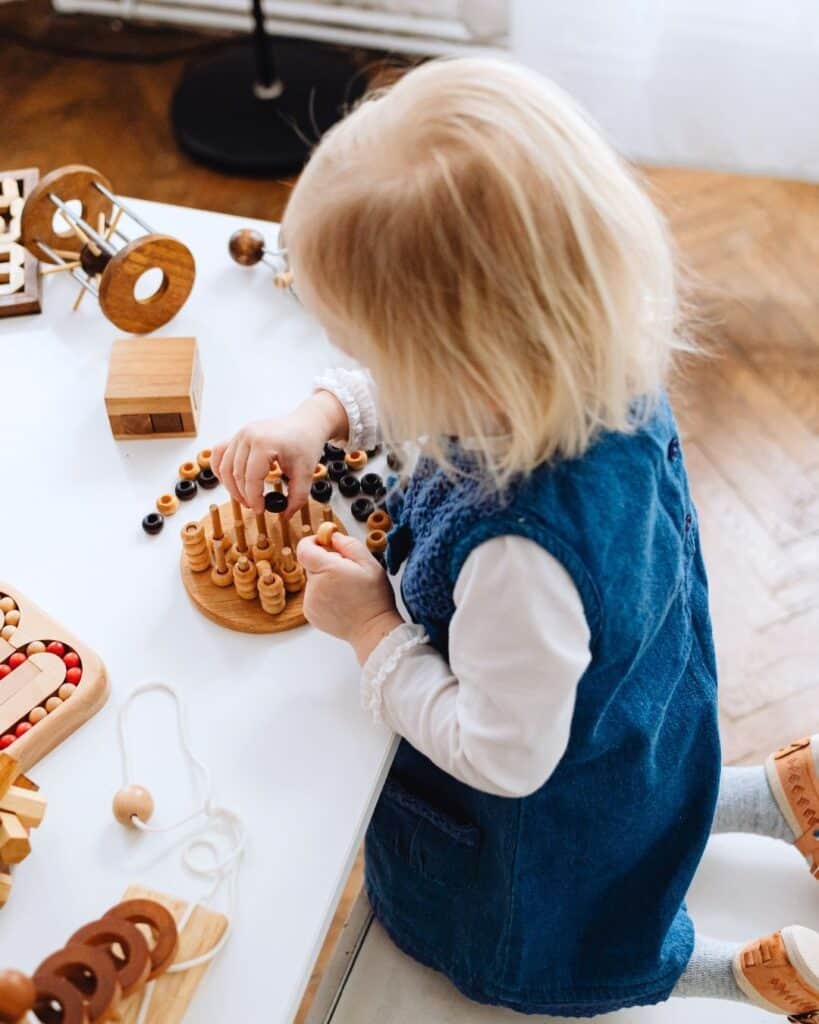
Transitions are often the hardest part of the day for preschoolers. Shifting from one activity to the next—especially when they’re deep in play—can feel abrupt and frustrating. Without warning or a sense of what’s coming next, transitions can quickly lead to meltdowns or power struggles.
That’s why building simple, gentle transition rituals can make a big difference. These little cues help your child know what to expect and give their brain time to shift gears. You might sing a cleanup song, offer a quick sensory break like jumping or stretching, or light a candle to signal that it’s time to gather for a story. These rhythms become trusted signals that guide the day forward without resistance.
When transitions feel calm and predictable, the whole day flows more smoothly. They’re the invisible threads that hold your calm preschool day routine together—and over time, they help your child move through their day with more confidence and ease.
Follow Curiosity Between Anchors
Once your anchors are in place, let the in-between moments breathe. This is where the magic of preschool learning through play really happens. When you follow your child’s lead, you open the door to creativity, exploration, and connection—without needing a detailed plan for every hour.
Offer simple, open-ended invitations: a tray of playdough with loose parts, a sensory bin filled with rice and scoops, or time outside with a bucket, a shovel, and no agenda. These kinds of preschool activities at home encourage imagination and build real skills, even when they look like “just play.”
It’s okay for parts of the day to feel unstructured. In fact, that freedom is a key part of a strong play-based preschool routine. Your child is learning to make choices, solve problems, and stay engaged—and they’re doing it in a way that fits their age, interests, and energy.

Keep It Simple: Tools That Support Calm
You don’t need a complicated system to make your days feel steady. A few simple tools can help bring rhythm to life in a visual, hands-on way—without turning your home into a classroom.
Try using a preschool routine chart with pictures or icons to show what comes next. It doesn’t need to include every detail—just the main anchors of your day. You might also create a calm-down basket with fidget toys, soft fabrics, or a favorite book your child can turn to during transitions or big feelings. Or keep a few loose activity bins ready with open-ended materials like blocks, art supplies, or puzzles to pull out when your child needs a reset.
These gentle supports make your homeschool preschool daily routine feel more secure and familiar, without locking you into a rigid plan. They help your child feel grounded, while still leaving room for flexibility and choice.
When the Day Falls Apart
Even with the best intentions, some days just fall apart. Naps get skipped. Tantrums show up out of nowhere. The calm preschool day you pictured feels more like a storm. That doesn’t mean you’ve done anything wrong—it just means you’re living real life with a young child.
On those messy days, the best thing you can do is pause and reset. Step outside for fresh air. Curl up with a cozy book. Turn on soft music and let everything slow down. You can even start your rhythm fresh in the middle of the day. That’s the beauty of a flexible preschool routine—you can adjust it to fit what your child (and you) actually need.
Remember, a strong preschool rhythm isn’t rigid. It’s responsive. It bends with your life instead of breaking under pressure. When you give yourself permission to flow with the day, not force it, you’re still creating a calm, connected learning environment. And that’s what really matters.
You don’t need a perfect preschool daily routine to create peace, connection, and learning at home. What matters most isn’t how well you stick to a plan—it’s how gently your days hold space for both of you to grow.
A simple homeschool preschool rhythm gives your child the safety of consistency without the pressure of the clock. It gives you room to breathe, respond, and enjoy this season, even when the day doesn’t go as planned.
If you’re ready to bring more calm into your days, explore our play-based activity ideas or grab your free printable preschool daily rhythm chart to help you get started.


Tara is the brains behind Homeschool Preschool, where her journey from preschool and public school teacher to homeschooling mom of three fuels her passion for early childhood education. With a blend of expertise and firsthand experience, Tara’s writings offer practical tips and engaging resources to support families in creating meaningful learning adventures at home.