Bad Preschool Day at Home? What to Do When Nothing Is Working

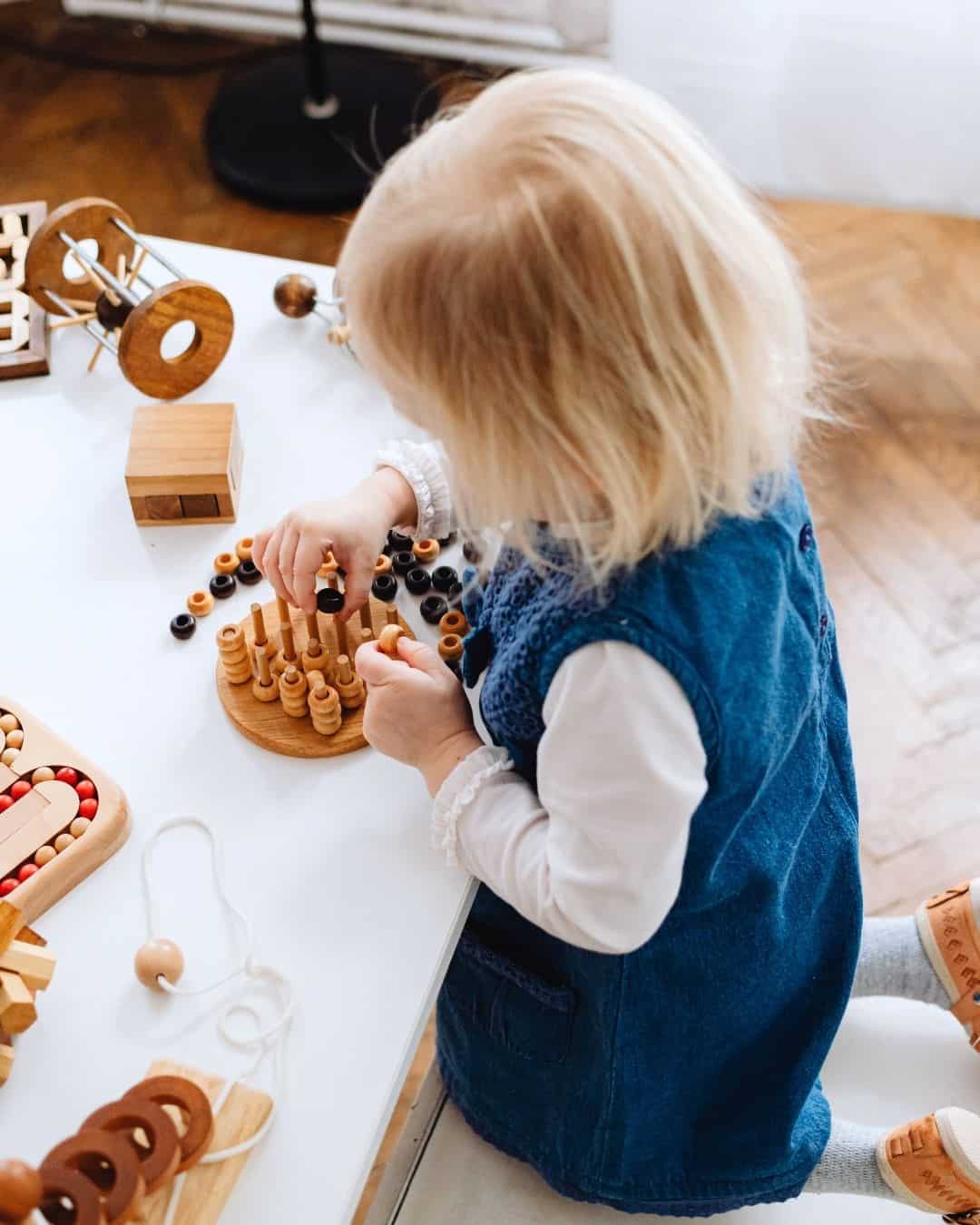
A bad preschool day at home can hit fast. You sit down to start the day, and suddenly nothing works. An activity your child usually enjoys falls flat, emotions escalate, and the plan you had in mind unravels before you’ve really begun.
If you’re homeschooling preschool, days like this can make you pause and wonder if you’re doing something wrong. You’re not. Preschoolers have off days, and familiar activities won’t always go as you expect. A rough day doesn’t mean learning isn’t happening or that your approach needs fixing. It usually just means today looks different from what you planned.

At a Glance
Who this is for:
Homeschool moms teaching preschool at home (ages 3–5)
What this post helps with:
Understanding and responding to a bad preschool day at home without pushing through or scrapping everything
You’ll learn:
• Why do some preschool days fall apart unexpectedly
• What not to do when activities stop working
• Simple ways to reset the day or end early without guilt
Good to know:
This is not a lesson plan or behavior guide. It’s practical support for homeschool preschool days that don’t go as planned.
What a Bad Preschool Day at Home Can Look Like
A bad day at home doesn’t always look dramatic. Sometimes it’s just a series of small moments that add up and leave you feeling stuck.
You might notice things like:
- refusing to participate in activities they usually enjoy
- frequent meltdowns over small or unexpected changes
- wandering away instead of engaging, even for short activities
- frustration that shows up quickly and escalates fast
- resistance to simple transitions, like moving from play to a learning activity
If this sounds familiar, you’re not alone. These behaviors are common on rough days and don’t mean your child isn’t learning or that homeschooling preschool isn’t working.
Why Preschool Days Go Off Track (Even When You’re Doing Enough)
Preschool days can go off track for reasons that have nothing to do with effort or planning. Young children have short attention spans, and what worked yesterday may feel overwhelming today. Developmental leaps can also show up as restlessness, frustration, or sudden resistance to familiar activities.
Other factors matter, too. Poor sleep, hunger, or big emotions can quickly derail the day, especially when the plan asks for more focus than your child can give in that moment. When there’s a mismatch between what you planned and what your child is capable of that day, a rough preschool day is often the result. That doesn’t mean learning has stalled. It simply means today looks different.
What Not to Do When the Day Isn’t Working
When a preschool day starts to fall apart, it’s easy to overcorrect. Many homeschool moms feel pressure to push through, fix the moment, or make the day “count.” Unfortunately, those reactions often make things harder for everyone.
Try to avoid forcing the original plan when your child clearly isn’t able to engage. Adding more activities to save the day can also backfire and lead to more frustration. One rough morning doesn’t mean the entire day is wasted, and it definitely doesn’t mean you need to question your whole approach to homeschooling preschool. Sometimes the most helpful choice is to pause, adjust, or stop and try again another day.
How to Reset a Bad Day
When nothing is working, a reset can be more effective than pushing forward. That doesn’t mean abandoning learning for the day. It means meeting your child where they are and adjusting your expectations in the moment.
Sometimes the easiest reset is switching to something familiar. A well-loved activity or simple game can help your child re-engage without pressure. Reading a book together instead of doing table work can also keep learning going in a lower-demand way.
Movement can make a big difference, too. A quick walk, time outside, or a few minutes of active play often helps release built-up frustration. And if the day still isn’t coming together, it’s okay to stop early and reset later. Flexibility matters more than finishing everything you planned.
What Counts as “Enough” on Hard Days
On hard days, “enough” looks different than you may have planned. Preschool learning doesn’t require a full schedule or completed activities to be meaningful. Small moments still count.
Enough might be one short activity before attention fades. It might be shared reading on the couch, a conversation that happens during play, or learning woven into everyday routines like helping in the kitchen or getting dressed. Even when plans change, learning is still happening. Progress comes from consistency over time, not from perfect days.
When It’s Okay to End Preschool for the Day
There are days when the most helpful choice is to stop early. Ending preschool for the day doesn’t undo progress or erase what your child has already learned. It simply recognizes that today isn’t the day to push further.
Consistency over time matters far more than finishing every activity on the schedule. A single rough day won’t set your child back, and it won’t derail your homeschool plans. Tomorrow is another opportunity to try again, and often things feel easier after a break.

FAQs About Homeschooling Preschool
Yes. Rough days are common with preschoolers and don’t mean learning isn’t happening.
Usually no. Adjusting or stopping early is often more effective than forcing activities.
More often than most parents expect, especially between ages 3–5.
A bad preschool day doesn’t mean you’re behind or that homeschooling preschool isn’t working. Some days are simply harder than others, and that’s part of learning at this age. When things fall apart, adjusting expectations and responding to what your child needs in the moment is often more effective than pushing through.
Take today for what it is, reset when needed, and try again tomorrow. Progress is built over time, not in one perfect day.

Tara is the brains behind Homeschool Preschool, where her journey from preschool and public school teacher to homeschooling mom of three fuels her passion for early childhood education. With a blend of expertise and firsthand experience, Tara’s writings offer practical tips and engaging resources to support families in creating meaningful learning adventures at home.