Build a Scarecrow Sensory Tray
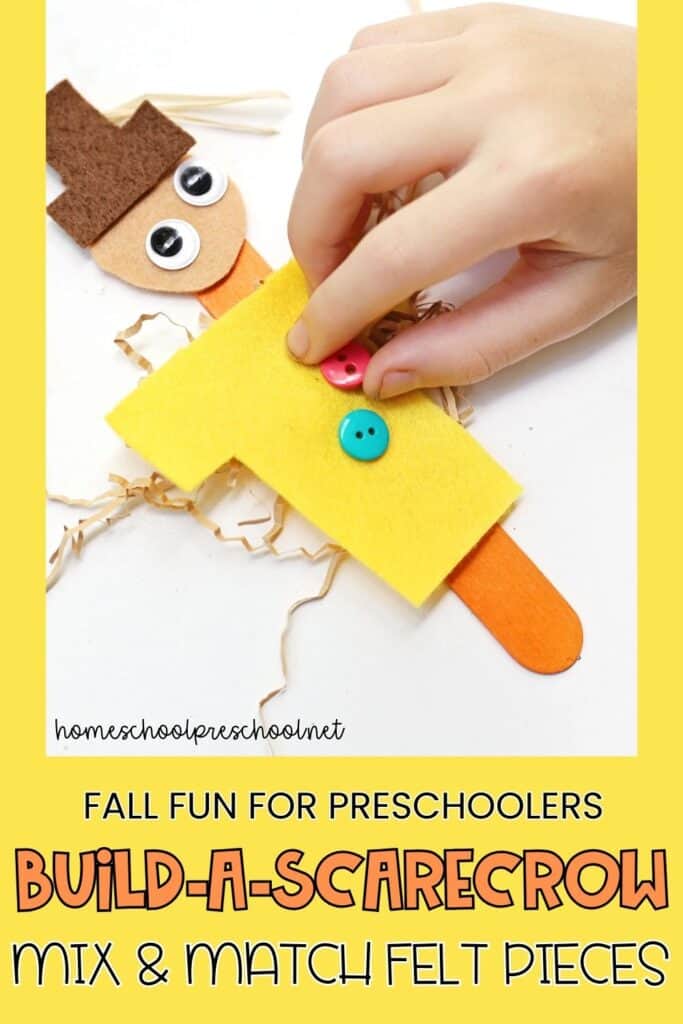
Crisp fall days are the perfect backdrop to build a scarecrow sensory tray and spark a little seasonal fun. Scarecrows are such a classic harvest symbol, and they lend themselves perfectly to hands-on, creative play.
If you’ve been on the hunt for simple scarecrow activities for preschoolers, this tray has you covered. A sensory tray is just a themed collection of materials kids can touch, move, and explore—and in this one, they’ll be busy building their very own scarecrows.
Along the way, little learners strengthen fine motor skills as they snip and sort, enjoy sensory play with soft felt and crinkly raffia, and stretch their imaginations as they dream up scarecrow personalities and stories. It’s an easy setup with big learning payoff.
Why Use Sensory Trays with Preschoolers
Sensory trays are a simple yet powerful way to keep little hands and minds engaged. By filling a shallow bin or tray with themed materials, children get the chance to explore textures, practice fine motor skills, and build early problem-solving abilities.
For preschoolers, sensory play also encourages creativity and language development as they talk about what they see, feel, and create.
Looking for more seasonal sensory ideas? Try my pumpkin emotions sensory bin and color-sorting apple sensory bin, too.
Build-a-Scarecrow Sensory Tray
This scarecrow tray invites kids to dive right into fall play with mix-and-match pieces that spark imagination. Everything is loose and reusable, so little hands can experiment over and over with new designs. It’s a low-prep activity that feels fresh each time kids sit down to play.
What You’ll Need
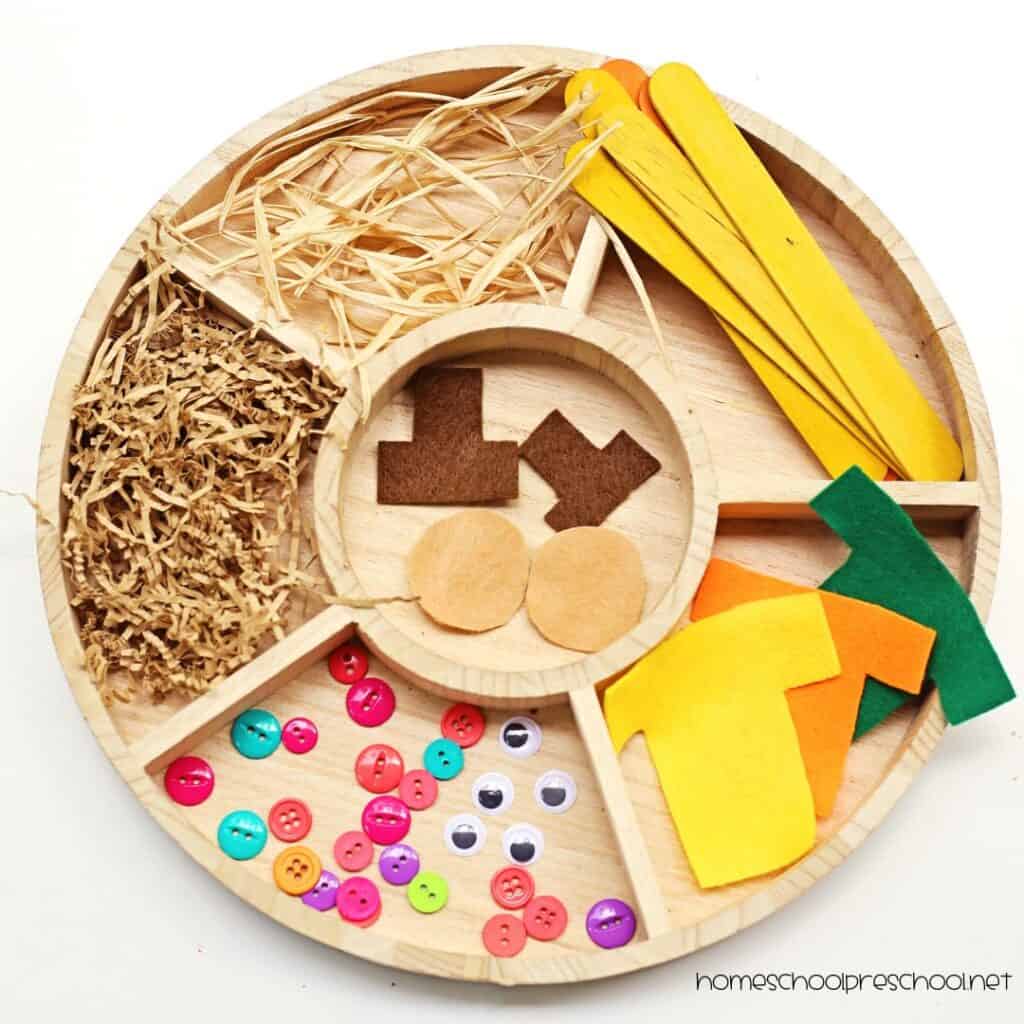
Gather a few simple supplies and you’ll be ready to set up your scarecrow tray in minutes. Most of these items are craft staples, and you can easily swap in household materials if you don’t have everything on hand.
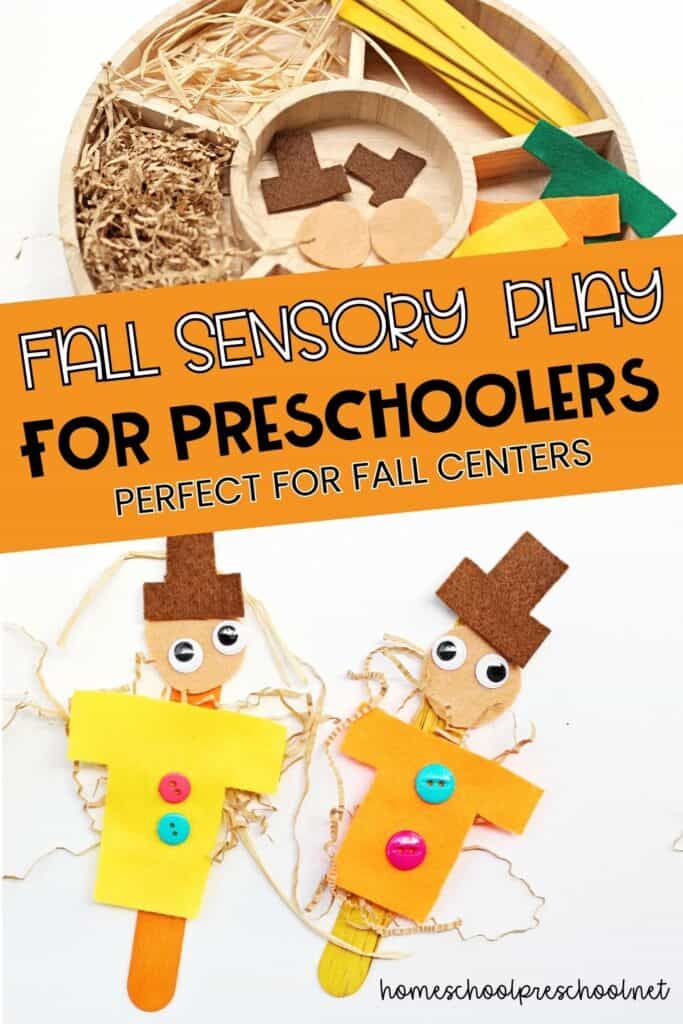
- Felt hats and shirts in bright fall colors (construction paper works too)
- Felt circles for heads (paper plates or cardboard circles also work)
- Buttons in assorted colors (try pom-poms if you prefer softer pieces)
- Googly eyes (stickers or drawn-on eyes are an easy substitute)
- Jumbo craft sticks for building bodies
- Raffia or shredded brown paper to mimic straw (yellow yarn is another option)
How to Set Up the Sensory Tray
Putting this activity together is quick and easy. Just a few minutes of prep and your scarecrow pieces will be ready for little hands to explore.
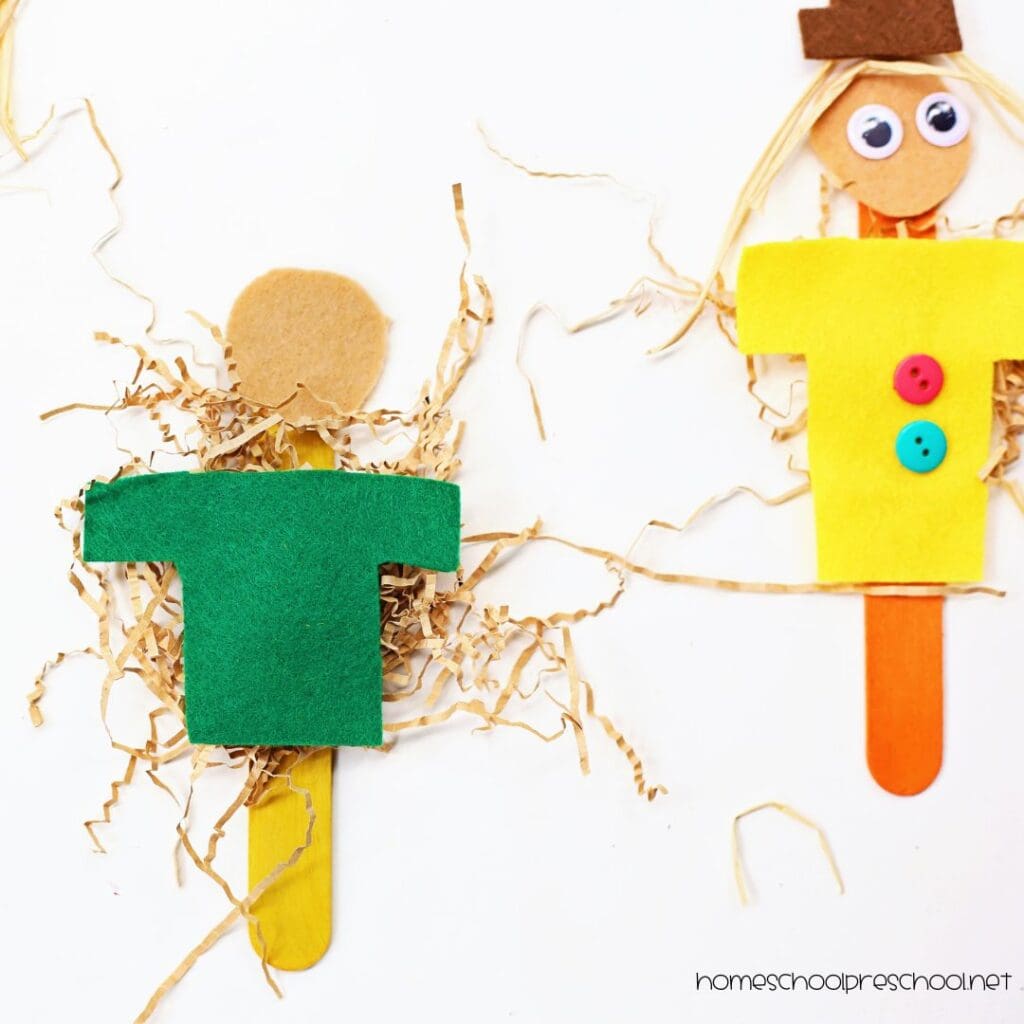
Choose a shallow bin or tray to hold all of the materials. Spread a layer of raffia or shredded paper across the bottom to mimic straw.
Place felt pieces, buttons, googly eyes, and craft sticks in small bowls or sections of the tray for easy access.
Add scissors if you want kids to snip raffia into smaller pieces for hair. Set out glue only if you want kids to create a permanent scarecrow craft.
⚠️ Note: Googly eyes and buttons can be choking hazards. Always supervise closely when using this activity with young children.
How Kids Play with the Tray
There’s no one “right” way to play with this scarecrow tray—that’s the beauty of it. Some kids will enjoy open-ended play, mixing and matching pieces again and again, while others may prefer a more structured project where everything gets glued down to keep.
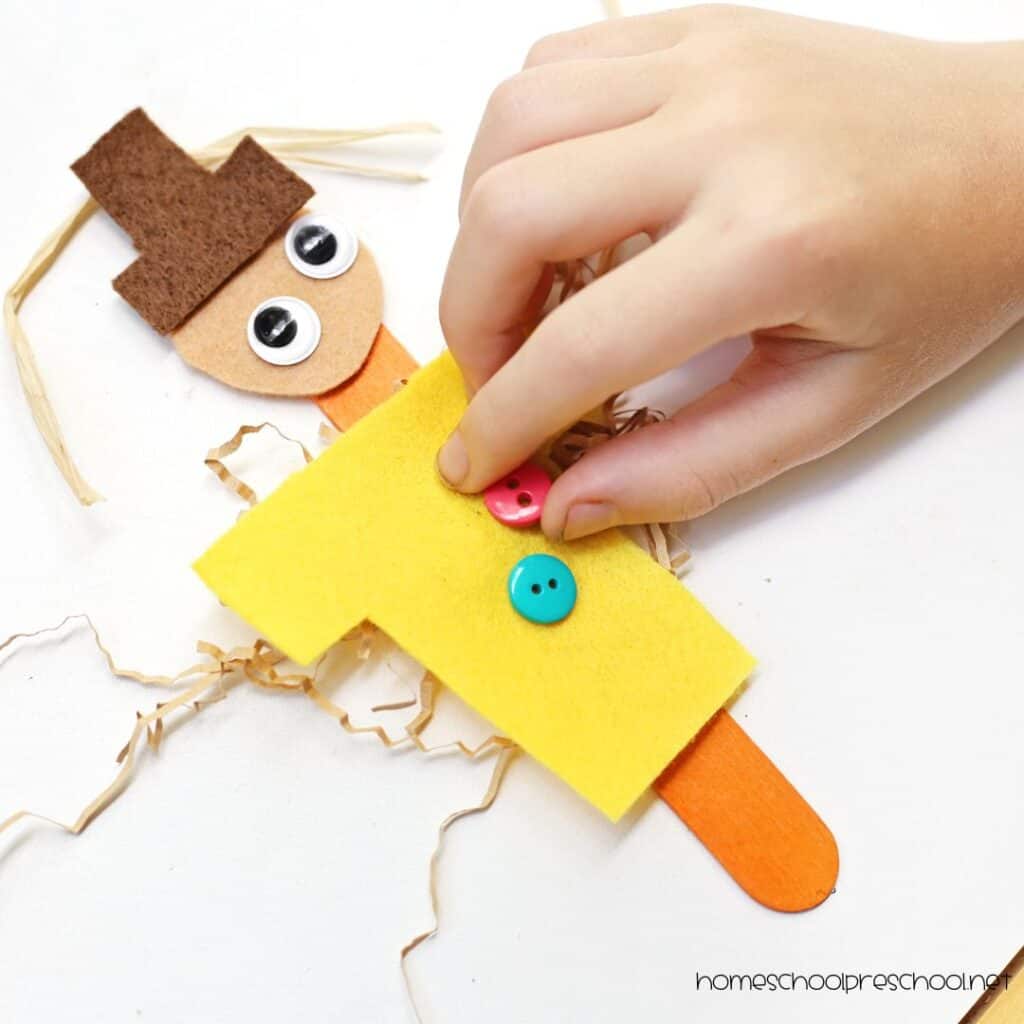
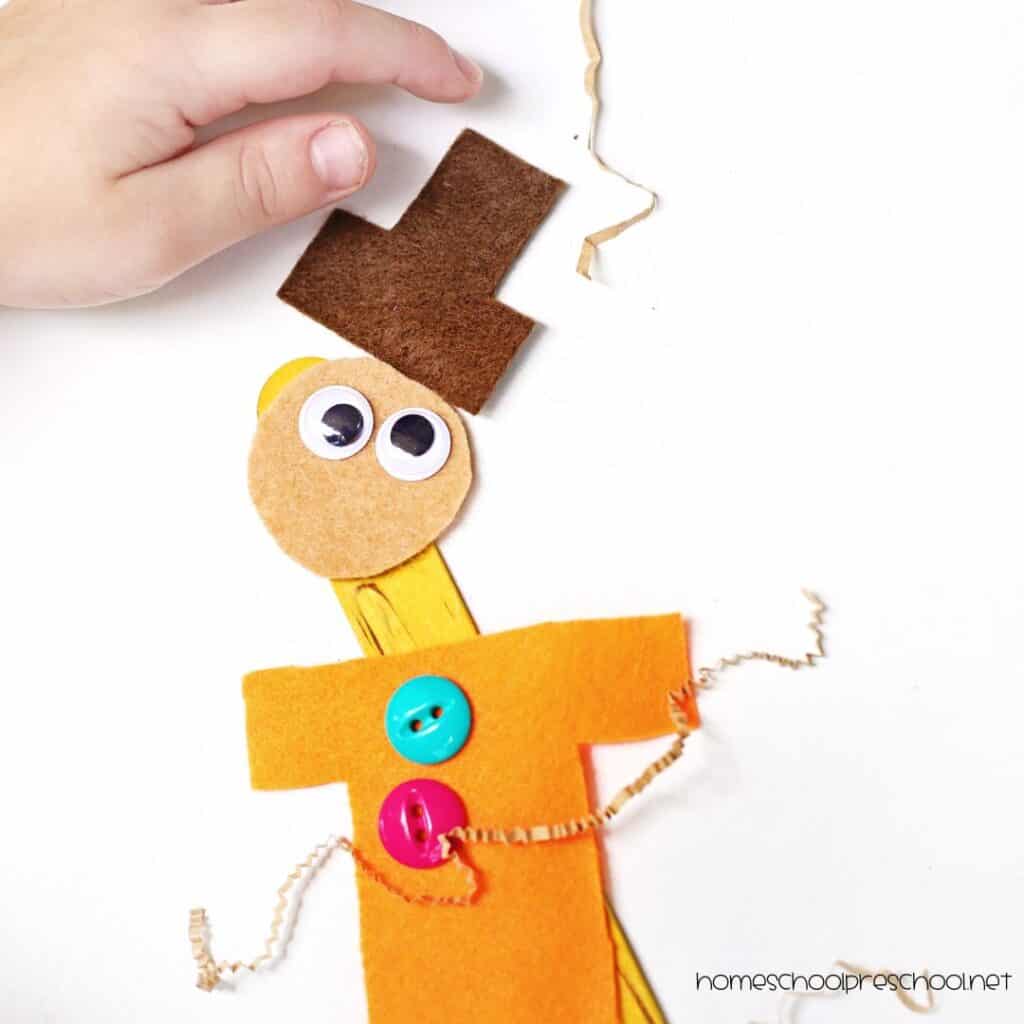
Build the scarecrow body using craft sticks as arms, legs, and a frame.
Snip raffia into shorter strands to create straw hair or tuck under the shirt for arms.
Decorate faces and clothing with googly eyes, buttons, and colorful felt pieces.
Glue pieces in place for kids who want to make a finished scarecrow craft to display.
Learning Benefits of the Scarecrow Tray
One of the best parts of this activity is that it blends fun with real learning. As kids build their scarecrows, they’re practicing essential skills without even realizing it.
Fine Motor Development
Picking up small items, snipping raffia, and placing buttons all help strengthen hand muscles and coordination needed for writing and daily tasks.
Creativity & Choice
Children decide how their scarecrow looks, from clothing colors to facial features, giving them freedom to design something uniquely their own.
Sensory Exploration
Soft felt, smooth buttons, and crinkly raffia provide a mix of textures that keep kids engaged and curious as they build.
Language & Storytelling
As kids name their scarecrows or imagine life on the farm, they practice vocabulary, sequencing, and early narrative skills.
Extension Ideas for Teachers & Parents
If you’d like to take this activity a step further, there are plenty of simple ways to extend the learning. These ideas work well at home or in the classroom and add extra layers of creativity, math, and literacy.
- Make a scarecrow family by using craft sticks in different sizes for parents, kids, and even pets.
- Turn buttons into a math game by counting, sorting, or making simple patterns.
- Pair with fall storybooks about scarecrows to build connections between play and reading.
- Invite kids to journal or draw their scarecrow and write a short story about its adventures.
Related Fall Activities
If your kids enjoyed building a scarecrow, they’ll love exploring more fall-themed crafts and sensory play. These activities keep the seasonal fun going while building a variety of early learning skills.
- Fine Motor Paper Plate Scarecrow Craft
- Simple Scarecrow Craft
- Fall Fingerprint Tree
- Fall Leaves Sensory Bottle
- Crafts with Leaves and Sticks
Building a scarecrow sensory tray is a simple way to bring the season to life through hands-on play. With just a few supplies, kids can create, imagine, and practice important skills while enjoying the textures and colors of fall.
It’s an activity that works just as well for quiet time at home as it does in a classroom center, and it can be revisited again and again for fresh fun. Don’t forget to share this idea with other parents and teachers who might be looking for an easy, engaging fall activity.

Tara is the brains behind Homeschool Preschool, where her journey from preschool and public school teacher to homeschooling mom of three fuels her passion for early childhood education. With a blend of expertise and firsthand experience, Tara’s writings offer practical tips and engaging resources to support families in creating meaningful learning adventures at home.