Diagonal Line Tracing Worksheets
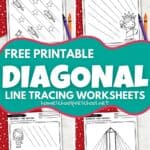
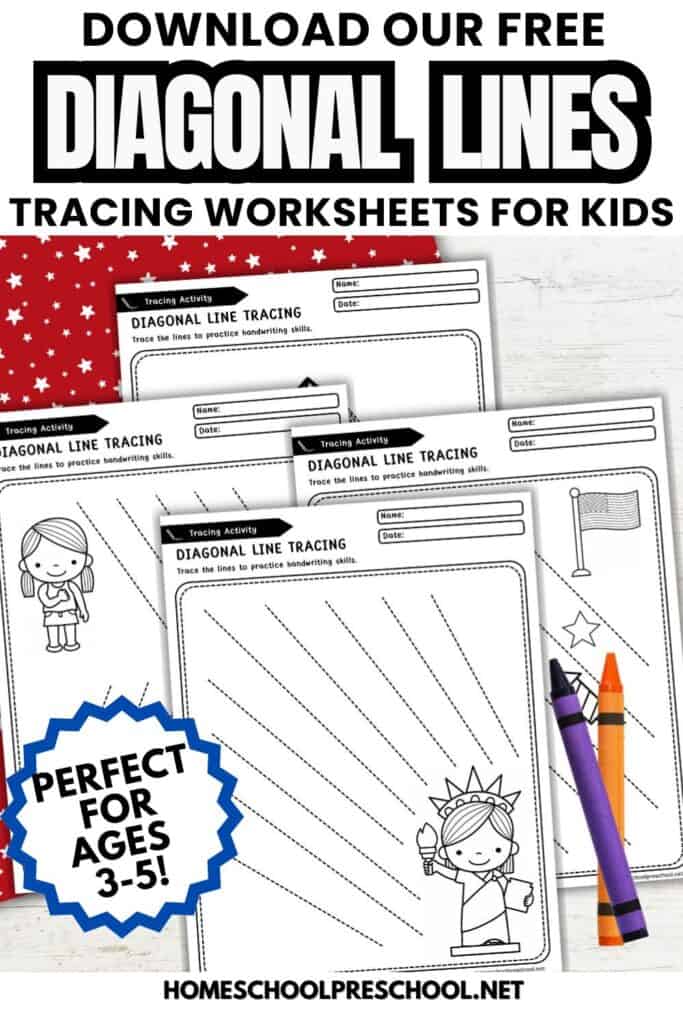
If you’re looking for a fun way to help little ones strengthen their fine motor skills, these diagonal line tracing worksheets are just the thing! They’re simple, playful, and perfect for preschoolers who are learning to control a pencil. Whether you’re a homeschool parent or a classroom teacher, these free preschool line tracing worksheets make a great addition to your learning routine.
Kids will love the challenge of following the lines, and you’ll love seeing their confidence grow with each page. Plus, tracing lines is a great stepping stone to writing letters and numbers later on!
These worksheets are easy to print and super handy to have on hand when you need a quiet, focused activity. Grab your crayons or pencils, and let’s start tracing!
Diagonal line tracing gives kids a fun way to practice pencil control while building early handwriting skills.
Diagonal Line Tracing Worksheets
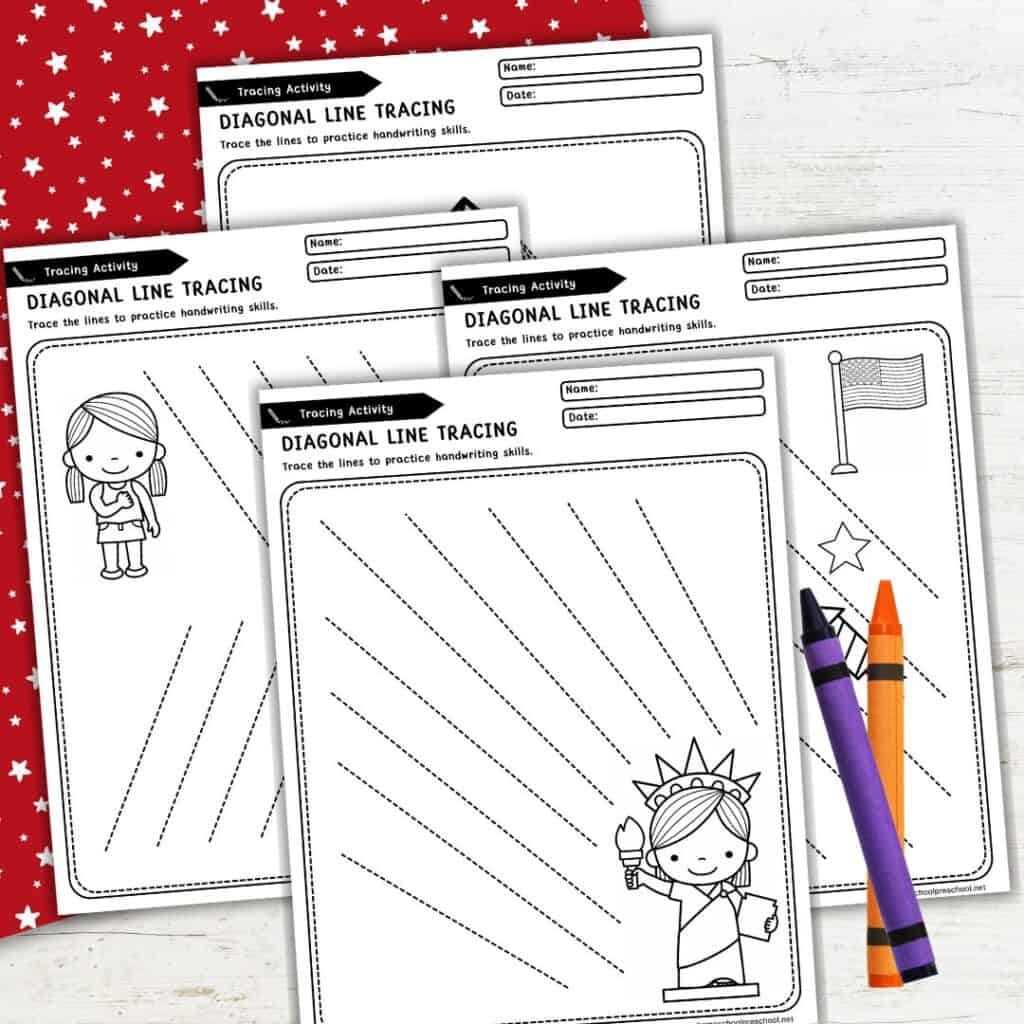
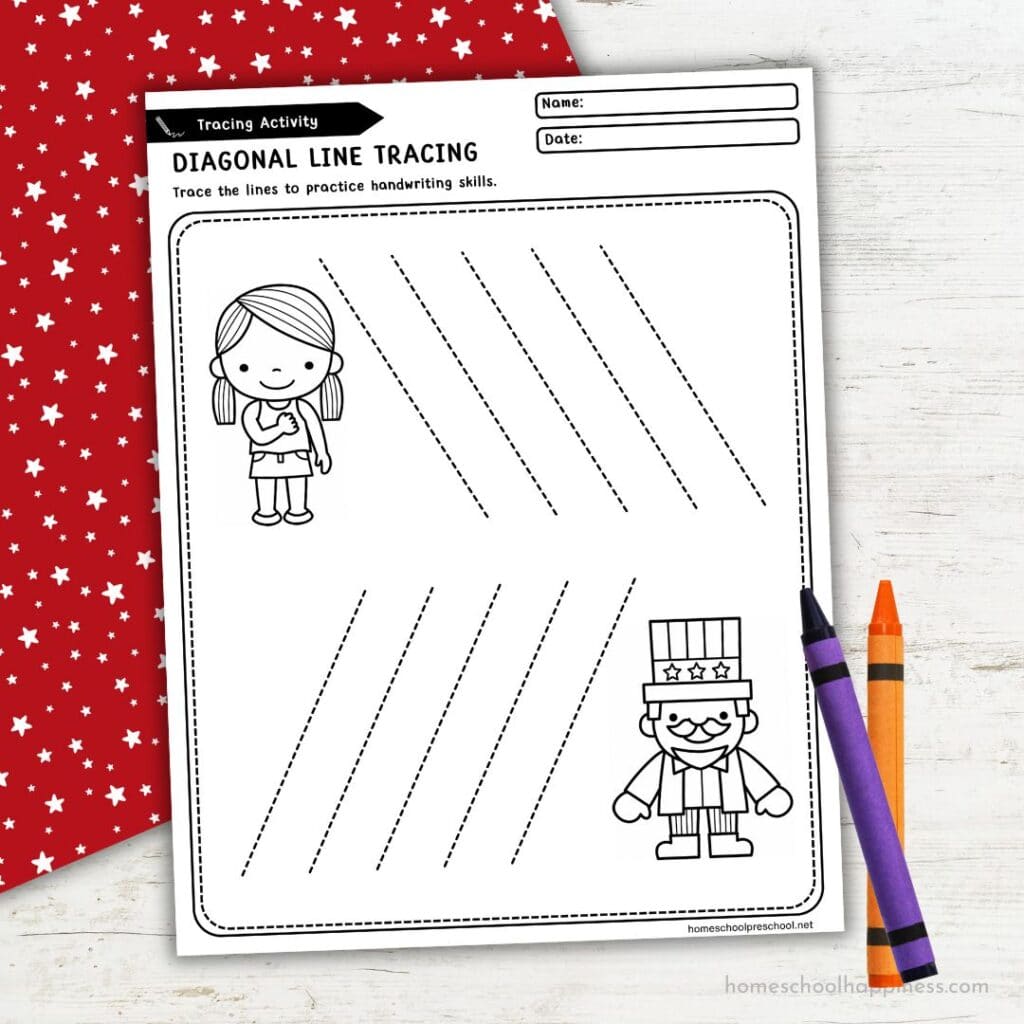
Get ready to make pencil practice fun with these diagonal line tracing worksheets! This printable set is designed to help little learners build important pre-writing and fine motor skills in a playful, low-pressure way. As children trace each diagonal line, they’re not just having fun—they’re also improving hand-eye coordination, pencil grip, and early handwriting skills.
Here’s what’s included in this printable set:
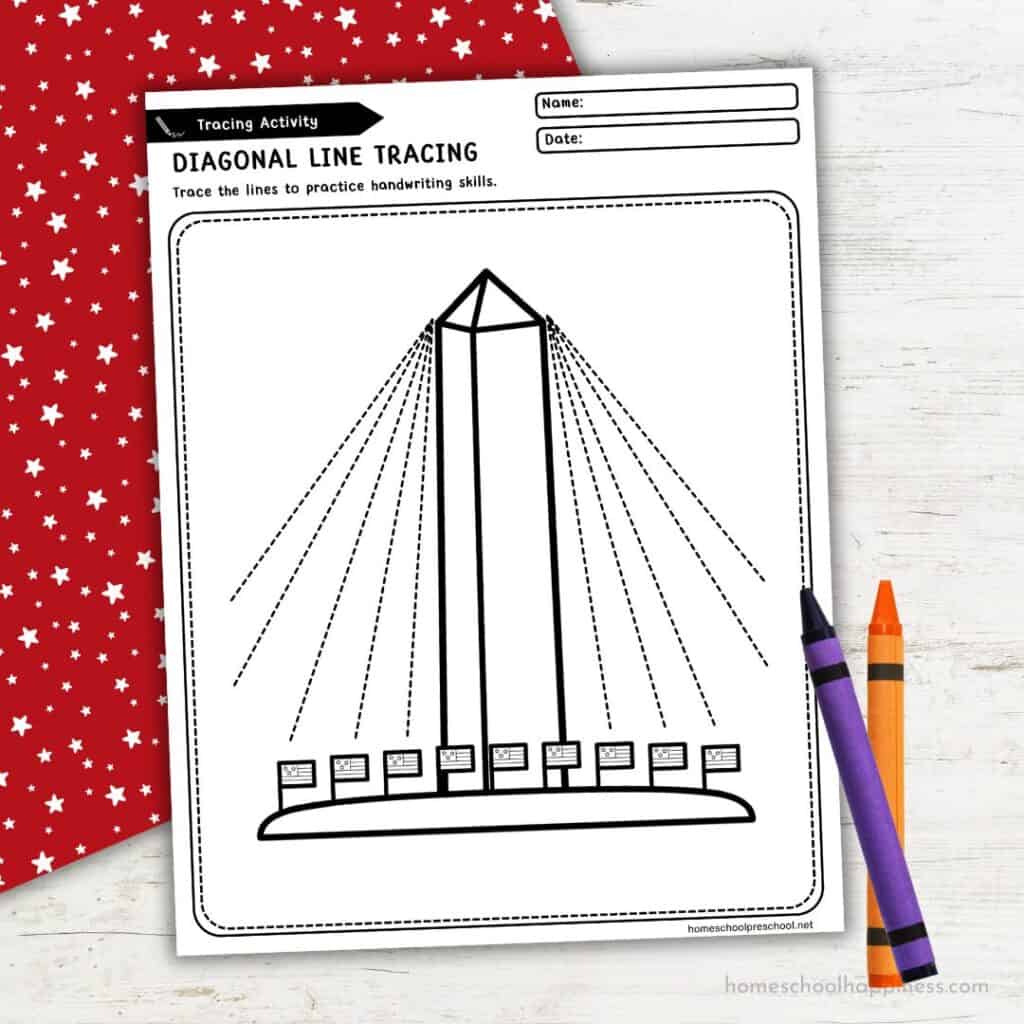
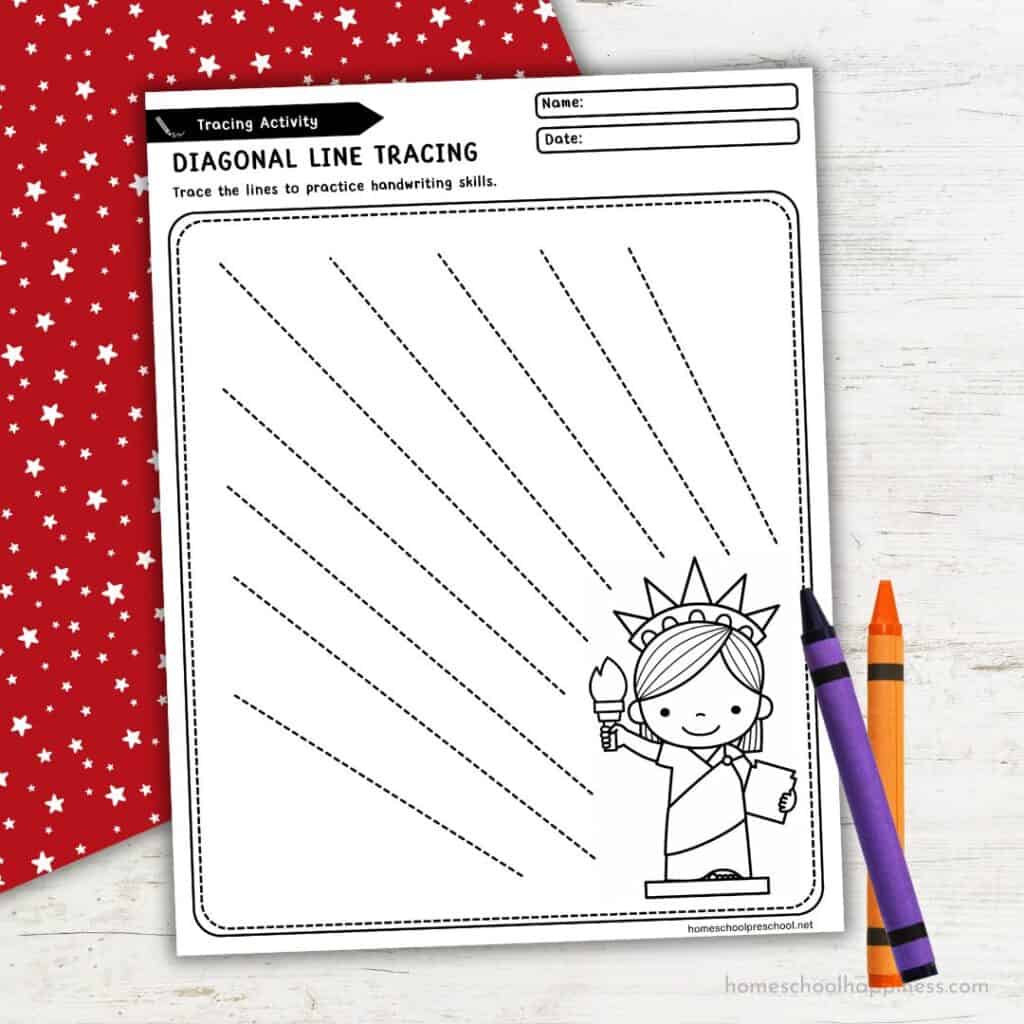
- Multiple worksheets featuring simple diagonal lines to trace
- A variety of line styles to keep kids engaged
- Clean and uncluttered pages, perfect for young learners
- Space for writing names and dates to track progress
These printables turn everyday learning into a fun little adventure. Whether you’re using them during quiet time, in a literacy center, or as part of your homeschool routine, kids will enjoy the challenge.
This resource blends learning and fun, making it a must-have for early childhood classrooms and homeschool spaces!
What can kids learn from this activity?
Kids can learn so much from this simple tracing activity! By following the diagonal lines, they practice fine motor control, hand-eye coordination, and proper pencil grip—all important skills for writing. It also helps build focus and concentration as they carefully stay on the path. Over time, these skills support letter formation and early handwriting confidence.
Why teach diagonal lines in preschool?
Teaching diagonal lines in preschool is an important step in helping young children get ready to write. Many uppercase and lowercase letters—like A, K, M, N, R, V, W, X, Y, and Z—include diagonal strokes, so practicing these lines early builds a strong foundation for letter formation. Tracing diagonal lines helps kids learn how to move their hands in new directions, which improves muscle memory and overall pencil control.
It’s a simple activity that sets them up for success when they begin writing letters on their own. Plus, it’s a fun way to mix things up from straight and curved lines!
How does tracing lines strengthen motor skills?
Tracing lines is a great way to help little hands get stronger and more coordinated. When kids trace, they’re practicing fine motor control by using the small muscles in their fingers, hands, and wrists. This kind of movement helps them develop better pencil grip, steadier hand control, and smoother strokes—all essential for handwriting.
Tracing also boosts hand-eye coordination as children learn to guide their pencil along the path. It may look simple, but it’s a powerful way to build the motor skills they need for writing and other everyday tasks like buttoning, cutting, and coloring.



Patriotic Ideas for Kids
If you’re using this activity pack around a national holiday or during a themed week, it’s a wonderful opportunity to gently introduce the idea of patriotism to young learners. Homeschool parents and teachers can use this time to spark curiosity about the country we live in and why certain days are celebrated. These simple ideas are meant to support learning in a way that feels natural, age-appropriate, and connected to the skills kids are already practicing.
Patriotic Books for Kids
Books are a great way to introduce young children to patriotic themes in a gentle and meaningful way. Whether you’re reading about national holidays or learning what it means to be part of a country, stories can help spark thoughtful conversations. Here are some great read-alouds to pair with your learning activities.


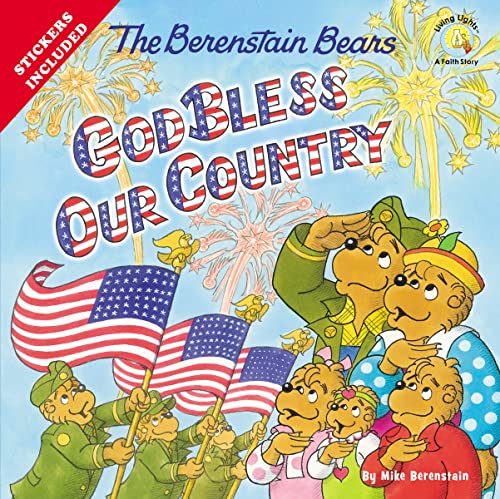
God Bless Our Country: Fireworks sparkle, flags wave, and little ones learn to thank God for the land they love. This sweet story celebrates the joy of freedom and the beauty of our country. It’s a warm and gentle read for patriotic hearts.
The Night Before the Fourth of July: Get ready for parades, picnics, and big booms in the sky! This playful story follows one family’s fun and festive preparations before the big holiday. It’s full of excitement and stars-and-stripes fun!
The Berenstain Bears God Bless Our Country: The Bear family joins in a red, white, and blue celebration while learning why freedom matters. With kindness and faith, they show love for their country and each other. It’s a meaningful tale wrapped in holiday cheer.
Patriotic Crafts for Kids
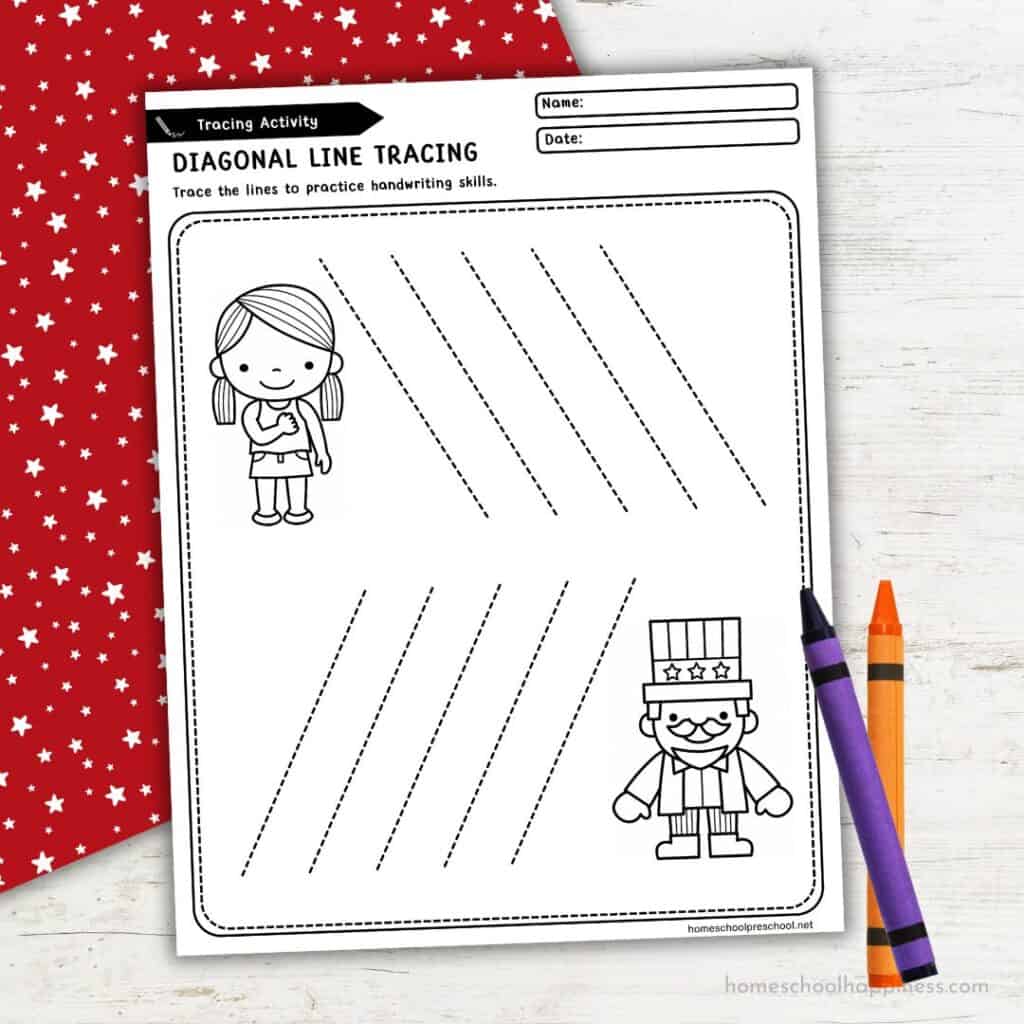
Hands-on projects are a fun way to bring learning to life, especially during patriotic holidays or themed weeks. These crafts are simple, engaging, and just right for preschoolers. They’re a great way to reinforce learning while encouraging creativity and fine motor skills.
- Bald Eagle Toilet Paper Roll Craft
- Fourth of July Craft for Preschoolers
- Patriotic Pinwheels Craft for Kids
- 4th of July Patriotic Rockets
- Patriotic Popsicle Stick Puzzle


Patriotic Printables for Kids
Printable activities are an easy and fun way to keep little learners engaged while exploring patriotic themes. They’re perfect for quiet time, morning work, or adding a themed touch to your homeschool or classroom routine. Check out the related printables below to bring some patriotic spirit into your classroom or home!
- 4th of July ABB Pattern Worksheets
- 4th of July Color by Number
- Independence Day Pom Pom Mats
- Cut and Paste Pledge of Allegiance Words Printable
- Pledge of Allegiance Printables
- Printable Patriotic Kids Learning Activities
FAQs about Diagonal Line Tracing Worksheets
A: These worksheets are great for preschoolers, usually around ages 3 to 5. If your child is starting to show interest in holding crayons or pencils, it’s the perfect time to introduce tracing. Just follow their lead—some kids are ready earlier, and some a little later, and that’s totally okay!
A: A few times a week is a great start! Short sessions—about 10 to 15 minutes—can really help build fine motor skills without overwhelming your little one. The key is to keep it light and fun so they stay excited to learn.
A: That’s totally normal, especially in the beginning. Try to keep things positive and offer lots of encouragement. If they’re struggling, you can model how to trace slowly or even take turns. Some kids need extra time, and that’s perfectly okay—they’ll get there with practice and patience!
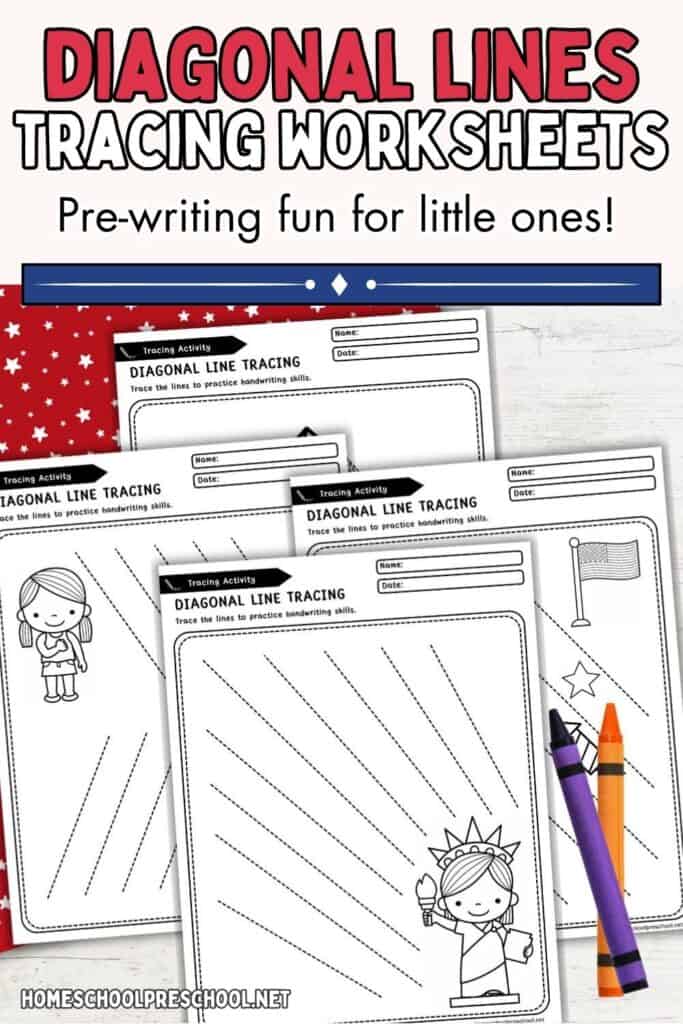
Diagonal line tracing may seem like a simple activity, but it plays a big role in helping young children build the foundation they need for writing. These free line tracing worksheets are an easy, fun way to support fine motor development and early handwriting skills—all while keeping learning playful and stress-free.
Whether you’re a homeschool parent or a classroom teacher, these printables make a great addition to your preschool toolkit. Keep encouraging your little learners, celebrate their progress, and most of all—have fun along the way!


Tara is the brains behind Homeschool Preschool, where her journey from preschool and public school teacher to homeschooling mom of three fuels her passion for early childhood education. With a blend of expertise and firsthand experience, Tara’s writings offer practical tips and engaging resources to support families in creating meaningful learning adventures at home.