Free Printable Nursery Rhyme Sequencing Cards
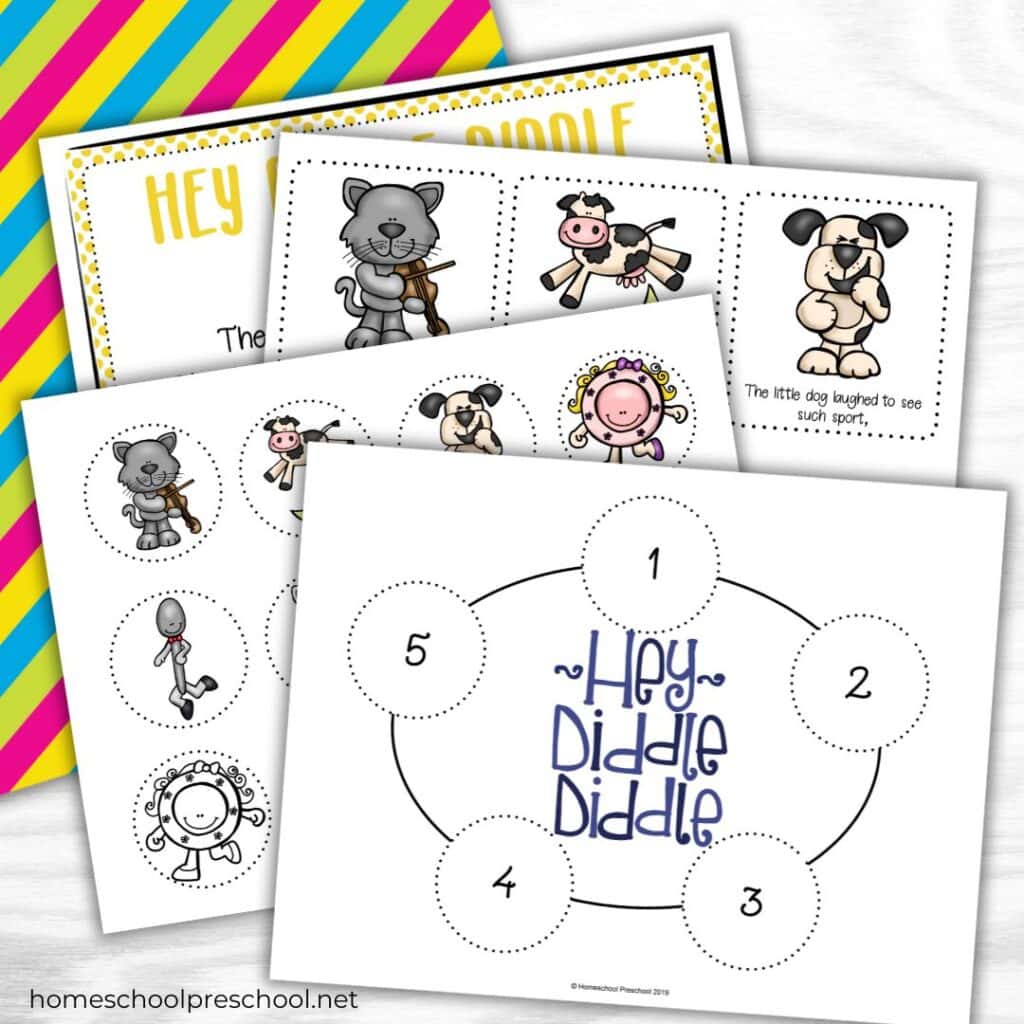
Free printable nursery rhyme sequencing cards make learning fun for preschoolers! Kids love nursery rhymes, and these hands-on activities help them practice sequencing skills in a way that makes sense to them. Using familiar rhymes, little learners can put events in order, strengthen their memory, and build early reading skills without feeling like they’re doing “work.”
Nursery rhyme sequencing activities are perfect for preschool and kindergarten students. These printable cards give kids a simple way to retell classic rhymes while practicing key skills like comprehension, logic, and fine motor control. Whether you’re a teacher looking for a quick literacy center or a parent wanting an easy, no-prep activity, this set is a great choice.
Sequencing is an essential skill for young learners, and activities like these are a great way to practice. Kids stay engaged, have fun, and build confidence in storytelling and early reading!
Free Printable Nursery Rhyme Sequencing Cards
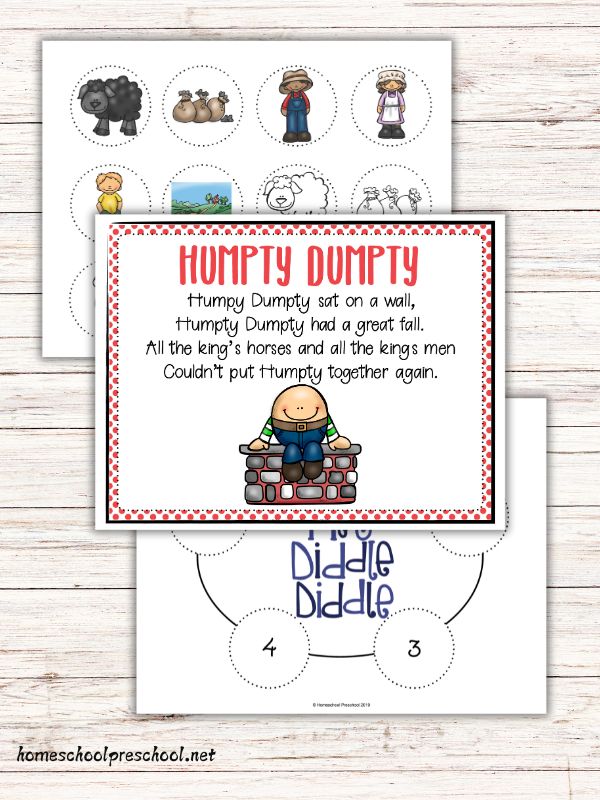
These sequencing printables help preschoolers strengthen their storytelling, comprehension, and logical thinking skills. Kids improve their ability to recognize patterns and recall details by putting familiar rhymes in order. These activities also support early reading development in a fun, hands-on way.
What’s Included:
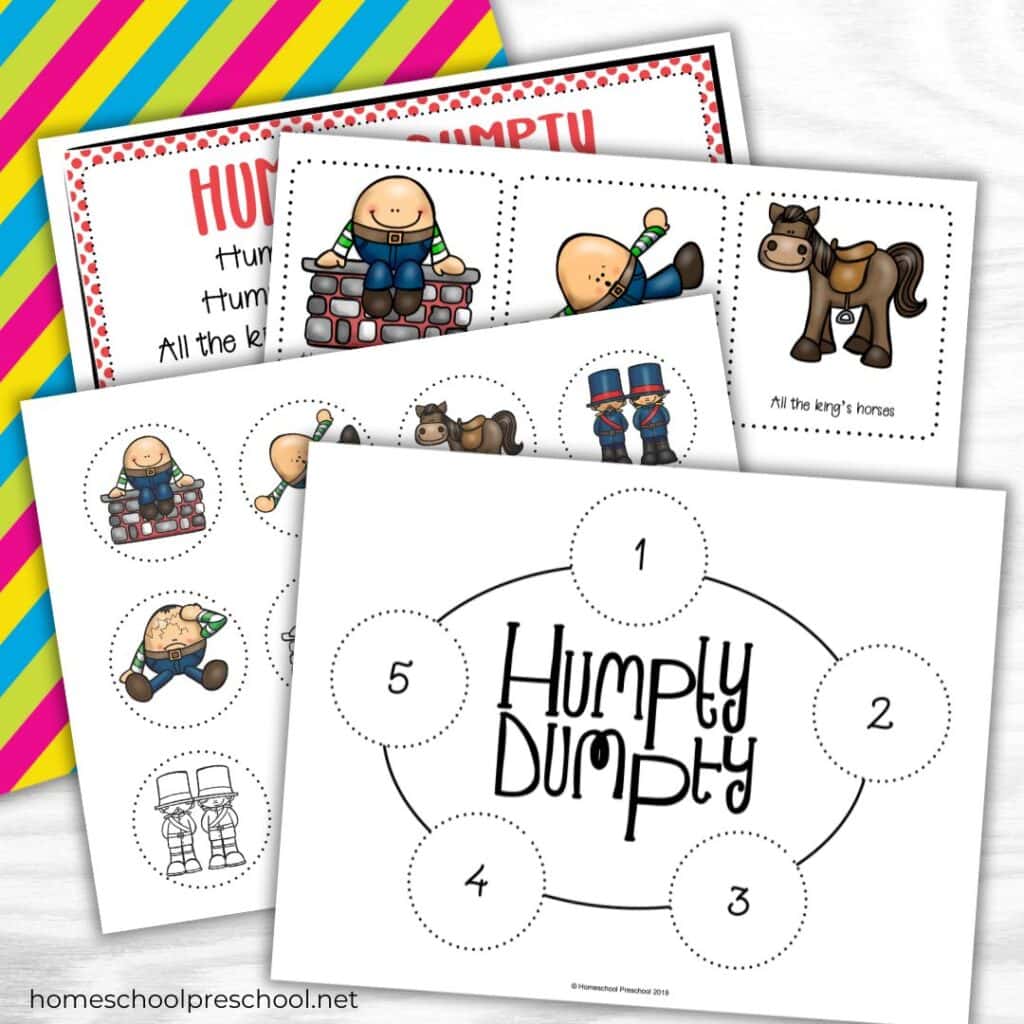
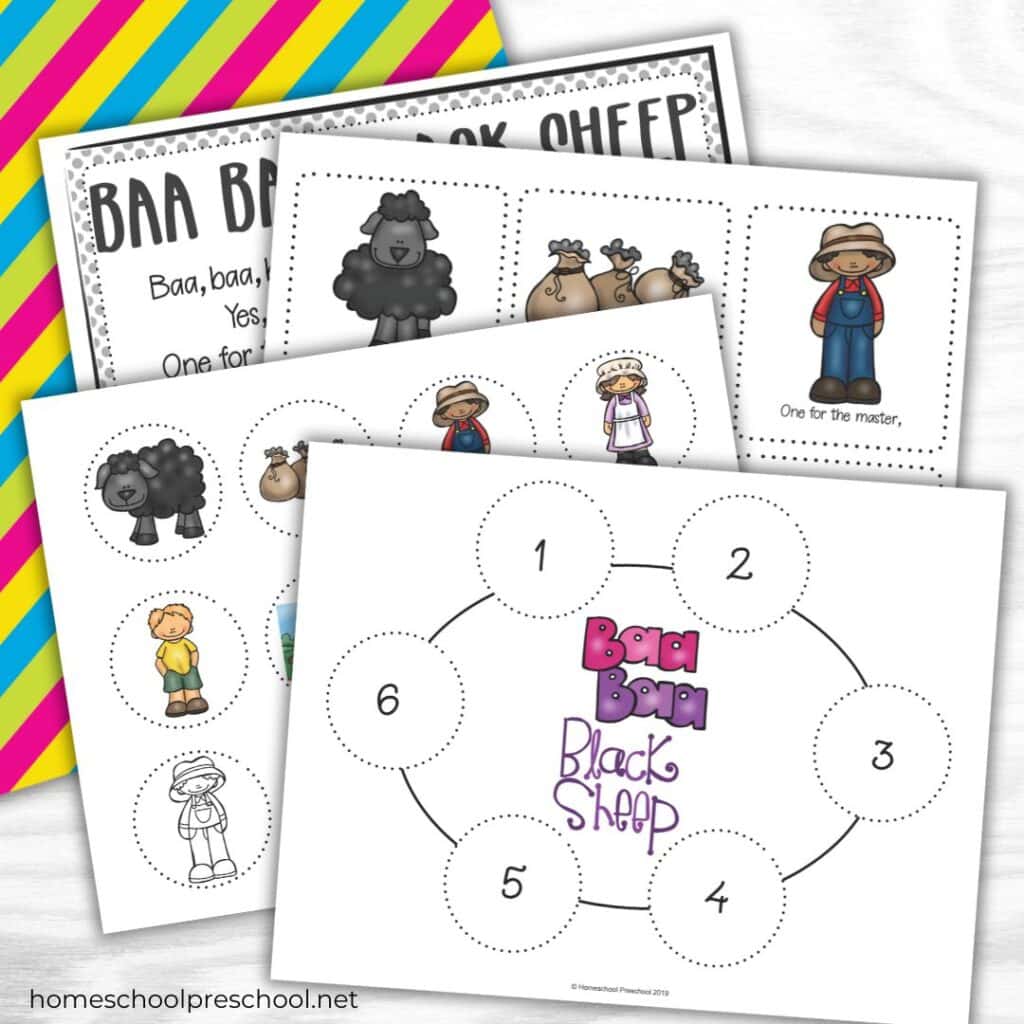
- Sequencing cards – Numbered picture cards for each rhyme to help kids practice putting events in order.
- Full nursery rhymes – Classic rhymes included for easy reference and reading practice.
- Engaging illustrations – Bright, simple images that make sequencing fun and easy to understand.
- Multiple rhymes – Includes “Baa Baa Black Sheep,” “Hey Diddle Diddle,” and “Humpty Dumpty.”
These printables make learning interactive and enjoyable. Kids will love retelling their favorite rhymes while practicing key skills, making this a valuable educational tool!
What can kids learn from this activity?
Kids can learn important early literacy and thinking skills from this activity. Sequencing helps them understand story structure and recall details. It also strengthens comprehension by encouraging them to think about what happens first, next, and last.
This activity builds logical thinking and strengthens memory as they put events in order. Plus, retelling rhymes helps with language development and confidence in storytelling.

Nursery Rhymes for Preschoolers
Nursery rhymes help preschoolers develop language skills, rhythm, and memory. The repetition in rhymes makes it easier for kids to learn new words. They also introduce basic storytelling by following a simple sequence of events.
Using nursery rhymes in activities like sequencing strengthens comprehension and early reading skills. Try more sequencing activities to keep learning fun and engaging!
- Jack and Jill Resources
- Baa Baa Black Sheep Coloring Pages
- Little Bo Peep Nursery Rhyme Printable
- Humpty Dumpty Sequencing Activity
- Hickory Dickory Dock AB Patterns
- Free Printable Humpty Dumpty Sequence Worksheet
Sequencing Activities for Preschoolers
These sequencing worksheets help kids practice sequencing by arranging pictures correctly. This strengthens their ability to understand story flow and recall details. Children can predict what happens next using familiar nursery rhymes and build logical thinking skills.
The hands-on nature of sequencing cards keeps learning engaging and interactive. Explore more sequencing activities to reinforce these important early learning skills!
- 6-Scene Sequencing Cards
- Summer Sequencing Cards
- First Then Last Sequencing
- Counting Sequence Worksheets
- Number Sequence Worksheets for Kindergarten
Nursery Rhyme Ideas for Kids
Nursery rhymes offer endless opportunities for fun and learning. Beyond sequencing, there are many ways to bring these classic rhymes to life. From hands-on crafts to movement activities, these ideas will help kids engage with nursery rhymes in new and exciting ways.
Nursery Rhyme Books for Kids
Books are a great way to expand on nursery rhyme activities. Reading different versions of familiar rhymes helps kids build vocabulary and comprehension. Explore these book suggestions to complement your sequencing activities!

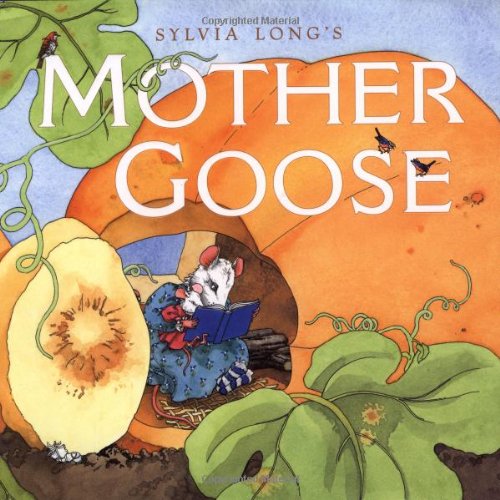


Sylvia Long’s Mother Goose is a beautifully illustrated collection of classic nursery rhymes, perfect for toddlers and young readers. The gentle artwork and timeless rhymes make this a wonderful book for introducing kids to traditional verses.
My First Book of Nursery Rhymes – Children’s Padded Board Book is a durable, toddler-friendly collection of favorite rhymes. Soft pages and colorful illustrations make it great for little hands to explore while learning familiar songs.
Big Book of Nursery Rhymes (Big Books) features large, easy-to-read text and bright illustrations, making it perfect for group reading. This collection includes a variety of classic rhymes that help build early language and memory skills.
Nursery Rhyme Crafts for Kids
Crafts bring nursery rhymes to life in a fun, hands-on way. Kids can create puppets, props, or art inspired by their favorite rhymes. Try these simple craft ideas to add a creative twist to your sequencing activities!
- Baa Baa Black Sheep Craft
- Baa Baa Black Sheep Paper Craft
- Baa Baa Black Sheep Craft for Toddlers
- Hey Diddle Diddle Paper Plate Craft
Nursery Rhyme Printables for Kids
Printable activities make learning nursery rhymes even more engaging. From coloring pages to matching games, there are many ways to reinforce sequencing skills. Check out these related printables for more hands-on learning fun!
- Jack Be Nimble Activities
- Baa Baa Black Sheep Game
- Little Miss Muffet Printable
- Free Printable Humpty Dumpty Sequence Worksheet
- Hickory Dickory Dock Label the Picture Worksheets
Frequently Asked Questions
Start by reading the rhyme together so kids are familiar with the story. Then, mix up the picture cards and let them arrange them in order. You can also have kids retell the rhyme using the cards as a guide.
Sequencing helps kids with memory, comprehension, and logical thinking. It also builds early reading skills by reinforcing story structure. Plus, retelling rhymes boosts language development and confidence in speaking.
Yes! Preschoolers can practice simple sequencing, while kindergarteners can focus on retelling and comprehension. You can also add a challenge by asking older kids to explain why events happen in a particular order.
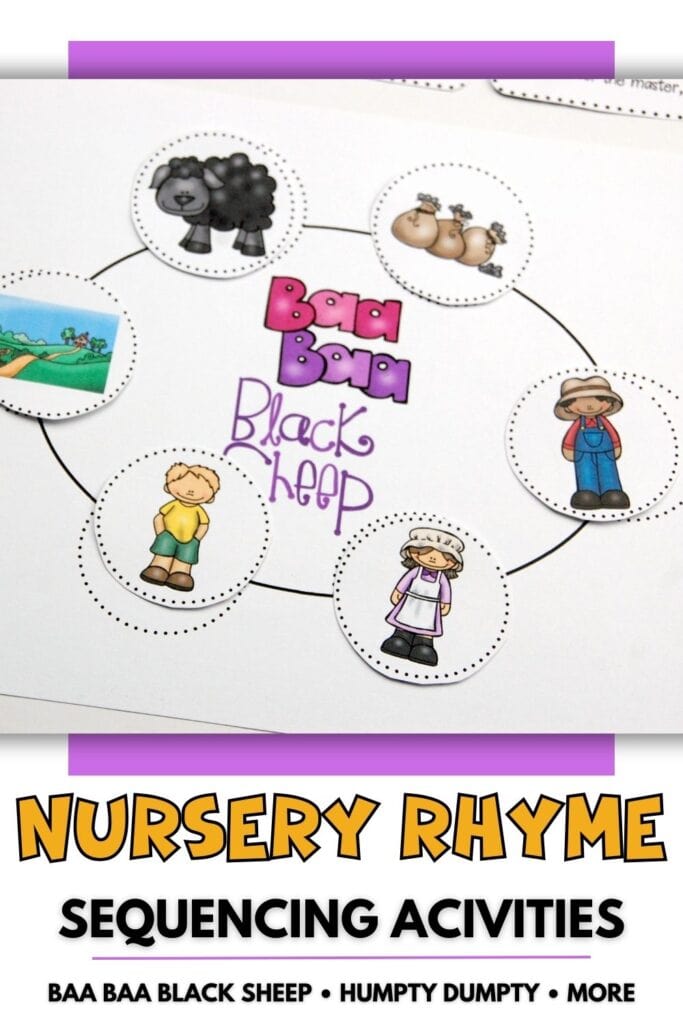
Nursery rhyme sequencing activities help kids develop important early learning skills in a fun and engaging way. These printables make it easy for preschoolers to practice sequencing, comprehension, and storytelling. Plus, using familiar rhymes keeps them excited about learning.
Whether you’re a parent or teacher, these activities are a great way to build literacy skills with little prep. Try them today and watch your kids grow confident as they retell their favorite rhymes!


Tara is the brains behind Homeschool Preschool, where her journey from preschool and public school teacher to homeschooling mom of three fuels her passion for early childhood education. With a blend of expertise and firsthand experience, Tara’s writings offer practical tips and engaging resources to support families in creating meaningful learning adventures at home.
Thank you!
You’re very welcome! ????
I love teaching nursery rhymes to my students! They love them.
That’s wonderful! Nursery rhymes make learning so much fun! ????????
I love teaching nursery rhymes. This looks like a great resource. Thank you!
Thank you! Nursery rhymes are so much fun to teach—I hope this resource is super helpful for you!
These ideas are awesome
I’m so glad you think so! It makes my heart happy to know these ideas will bring joy and fun to your little ones. Enjoy every moment with them! ????✨
I spent 37 years in kindergarten and first grade public school education. I have seen and used many resources but none have been as good as yours. Thank you for the work you show and share. My daughter teaches kindergarten now in my firmer classroom.
Thank you so much for your kind words and for sharing your incredible experience—I’m honored that you and your daughter find value in my resources!
Thanks!