Gardening with kids encourages children to explore their environment, learn new skills, and develop healthy habits
For preschoolers, gardening provides a great opportunity to learn about the environment and grow their own food. It also encourages them to develop gross motor skills as they dig in the soil, scoop dirt, pull weeds, and rake leaves.
Additionally, gardening encourages children to eat healthier, as they will be more likely to try new fruits and vegetables once they have grown it themselves.
Finally, gardening can help preschoolers explore their senses. Children can feel the soil between their fingers, inhale the scent of flowers, and witness the beauty of nature.
This sensory exploration is an important way for children to understand the natural environment and learn about plants, animals, and insects.
Gardening with preschoolers is a great way to foster healthy habits and create meaningful family memories.
Parents can use this activity as an opportunity to explore nature, teach their kids new skills, and help them develop a better understanding of the environment.
When done properly, gardening can be an enjoyable experience for both parents and children.
Selecting Child-Friendly Plants
When selecting plants for children to handle and touch, it is important to choose non-toxic varieties that are safe for skin contact. It is best to avoid plants with thorns, spikes, and sharp edges since these can cause injuries.
If possible, look for plants with soft or fuzzy leaves as they tend to be more enjoyable for children to touch. There are a variety of colorful flowers, vegetables, and herbs that make great choices for kids’ gardens.
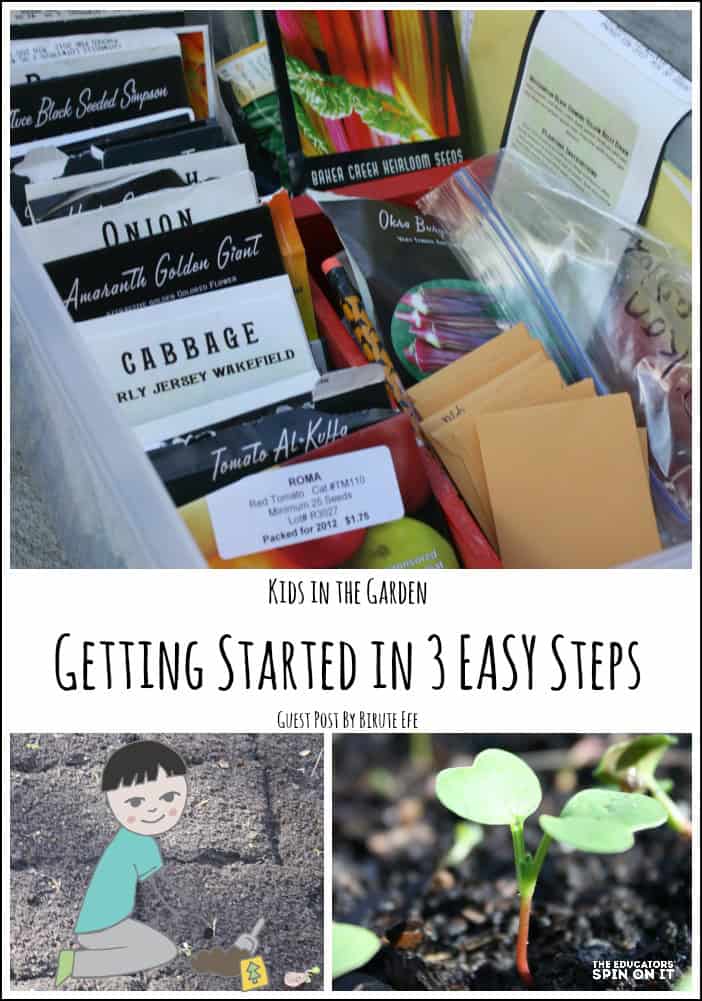
When choosing seeds or seedlings, look for varieties with short growing cycles since preschoolers may become frustrated if the plants take too long to grow.
We suggest the following:
Sunflowers
Marigolds
Zinnias
Sweet Peas
Snapdragons
Nasturtiums
Chrysanthemums
Radishes
Corn
Carrots
Tomatoes
Strawberries
Engaging Activities and Age-Appropriate Tools
When working with preschoolers, it is important to use age-appropriate tools and equipment that suit their size and dexterity.
Small spades and trowels, watering cans, gloves, magnifying lenses, shovels, and rakes are all great tools for helping kids get involved in the garden.
Gardening with Kids
Gardening with preschoolers is an enjoyable and educational way to teach children about the environment and help them develop healthy habits.
It encourages them to explore their senses and learn new skills, such as digging in the soil, scooping dirt, pulling weeds, and raking leaves.
Additionally, it encourages children to eat healthier by being more likely to try new fruits and vegetables they have grown themselves.
Gardening with Kids
Gardening with preschoolers is an enjoyable and educational way to teach children about the environment and help them develop healthy habits.
It encourages them to explore their senses and learn new skills, such as digging in the soil, scooping dirt, pulling weeds, and raking leaves.
It also encourages children to eat healthier by being more likely to try new fruits and vegetables they have grown.
activity-mom.com
Fastest Growing Seeds for Science Projects
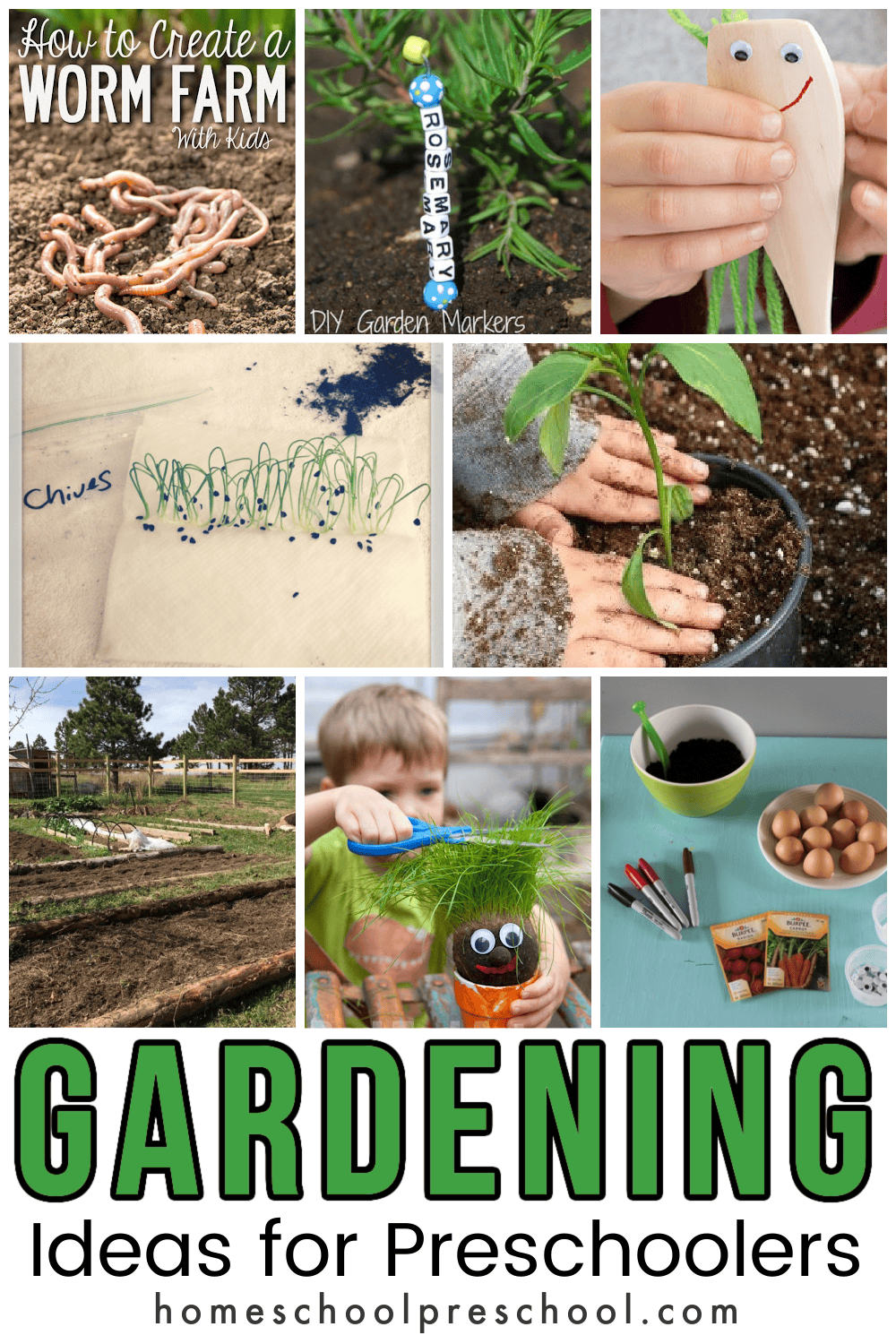
This list of the fastest growing seeds for science projects is perfect for preschool gardening. Fast-growing seeds help keep the interest of little ones.
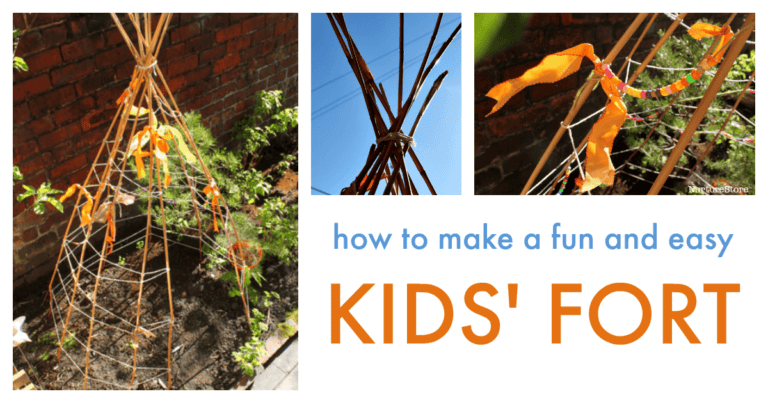
I’ve never met a kid who could resist building a good fort! Summertime is prime time to build a teepee fort in your garden. When you plant peas and beans around the perimeter of the teepee, they’ll create a natural covering for the fort as they grow!
My daughter has been asking to make a compost bin for ages, and I’ve put it off. I find the idea daunting. However, this compost bin is looks very doable, and I can’t wait to show it to her.
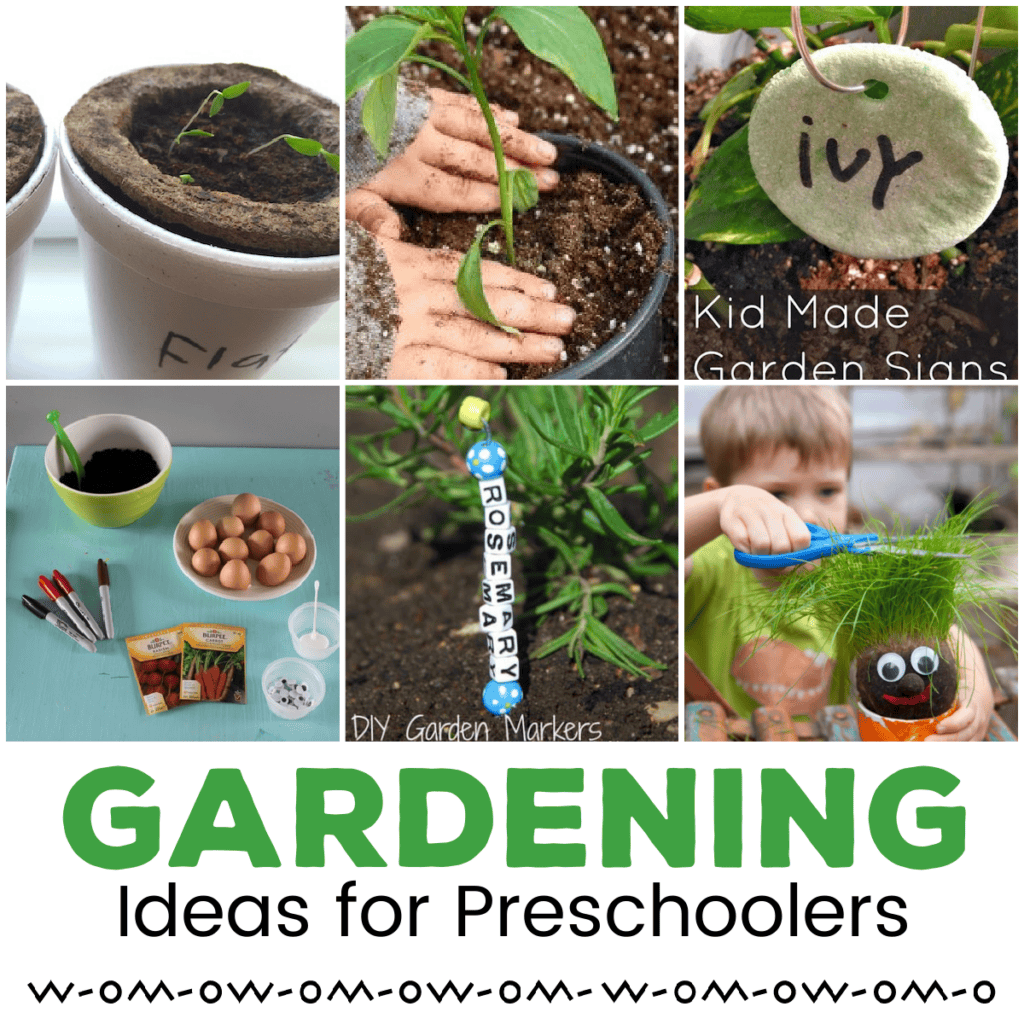
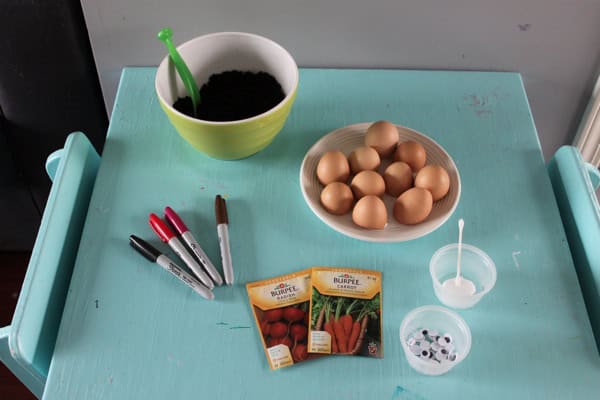
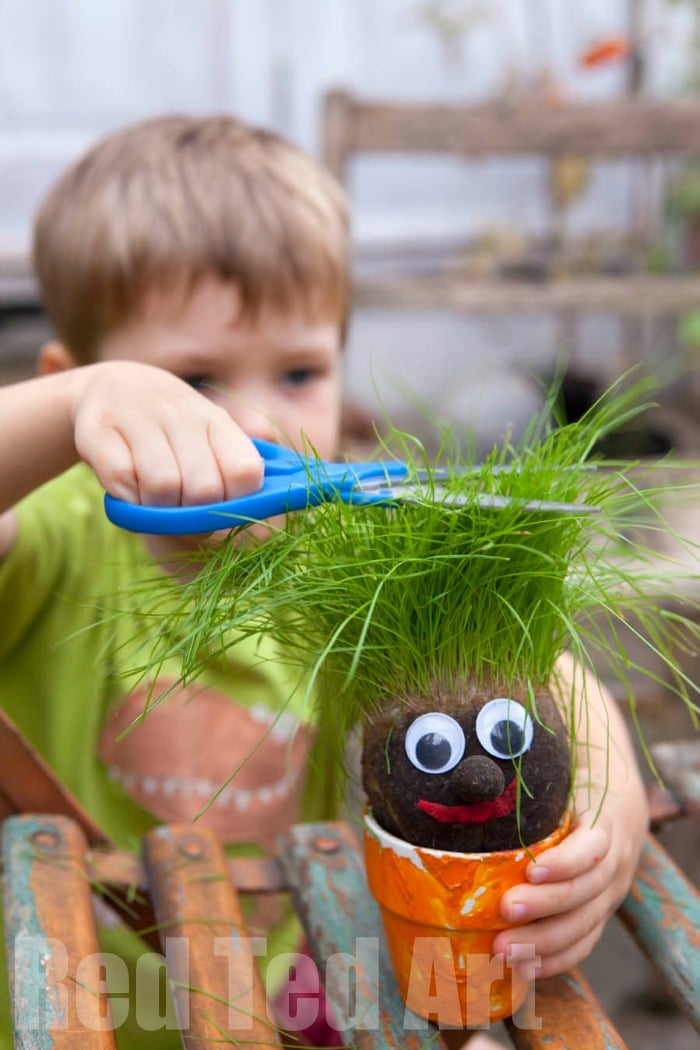
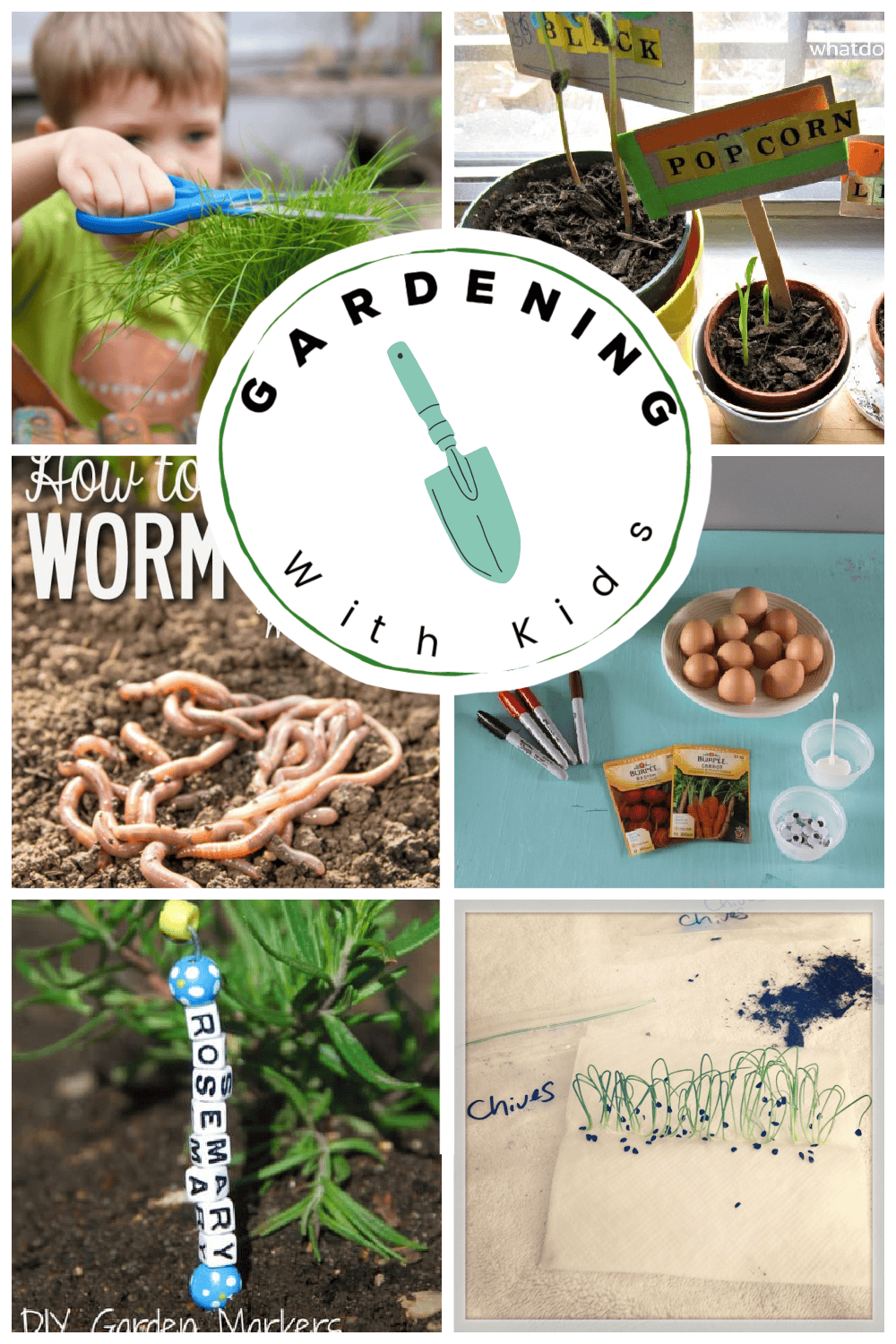
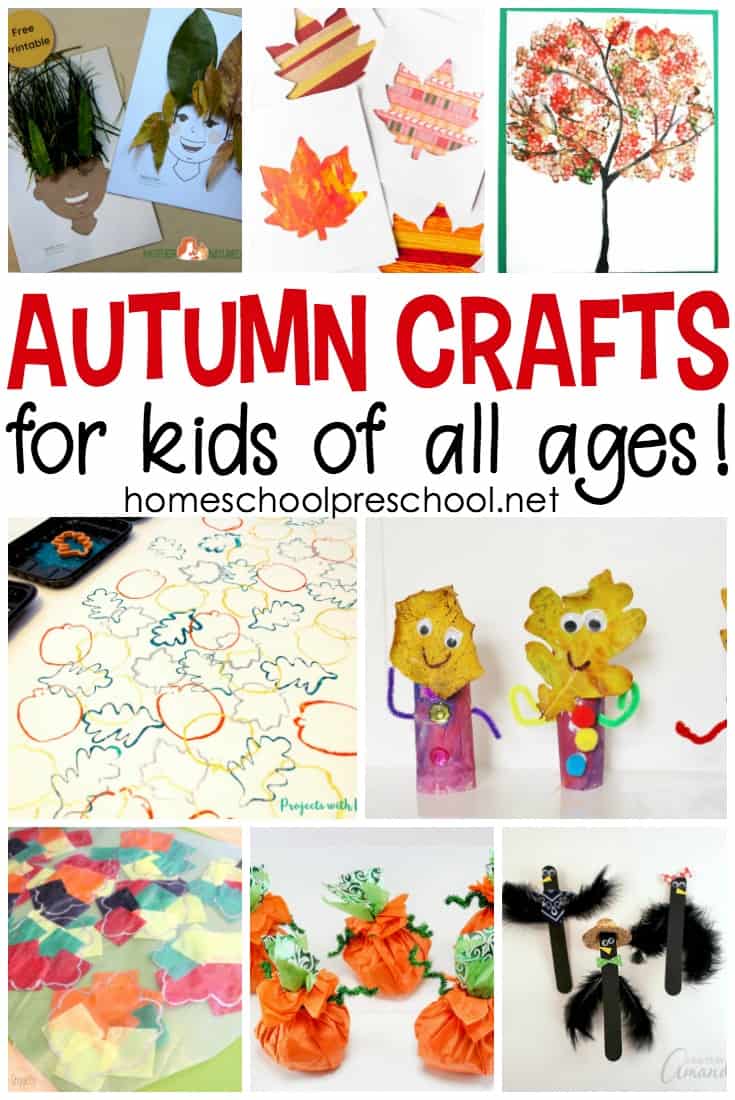
This is another springtime favorite for kids. Planting seeds and watching them grow is always fascinating. But, when you plant fast-growing grass seeds in a pot and make a face on it, the grass becomes hair as it grows. Kids will love giving their grass heads haircuts!
Once you’ve got your garden started, make a garden journal with your kids. In it, they can make predictions, record data, and draw pictures of the plants they’re growing.
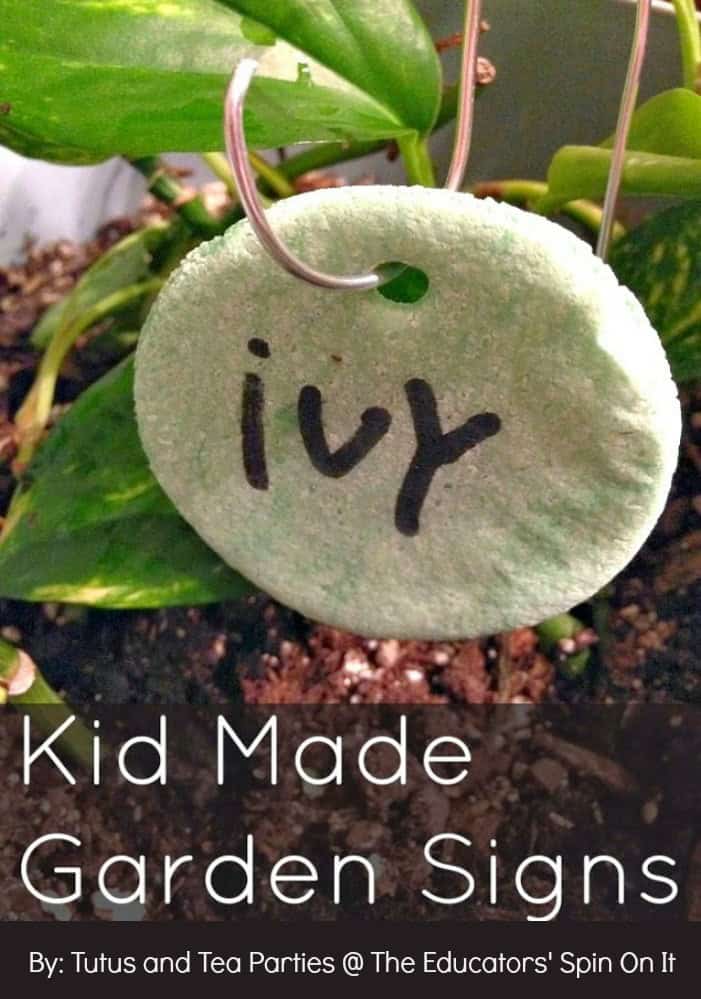
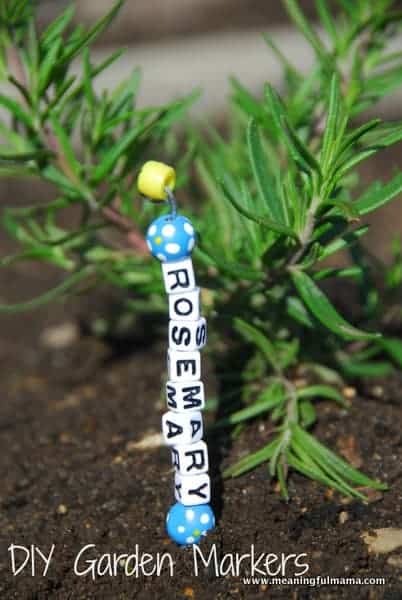
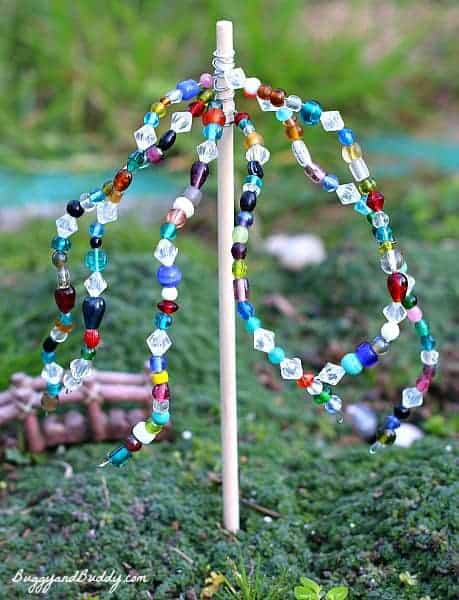
Garden markers don’t get any easier than these markers made from colorful beads and floral stem wire. Even your youngest gardener can help make these markers (and work on fine motor skills at the same time.
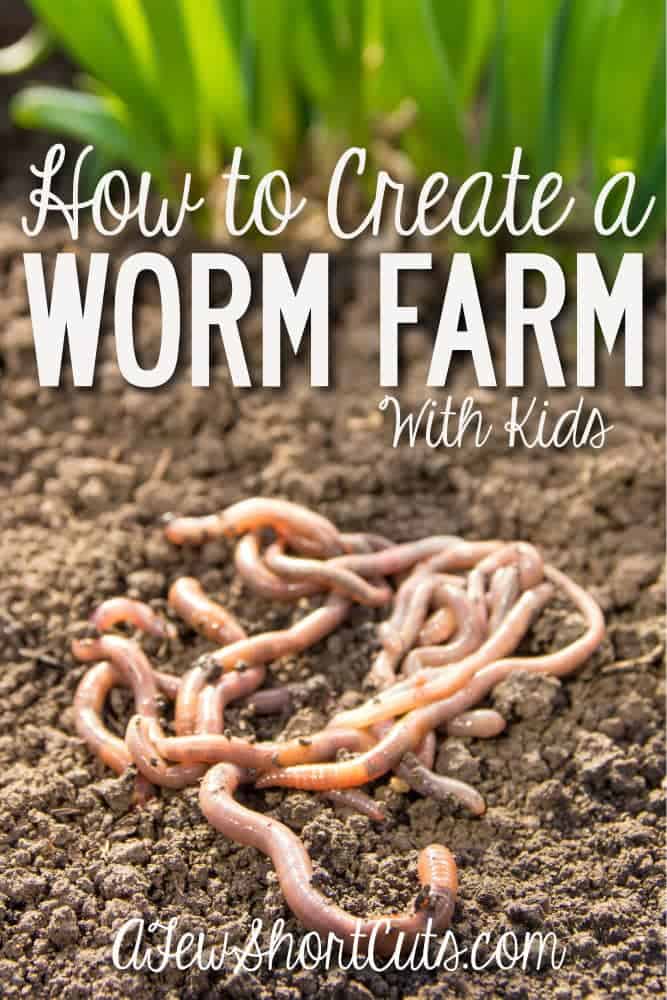
My boys loved digging up wriggly, writhing earthworms when they were preschoolers. They would have loved building a worm farm in our garden, and our garden would have loved the nutrients worms add to the soil.
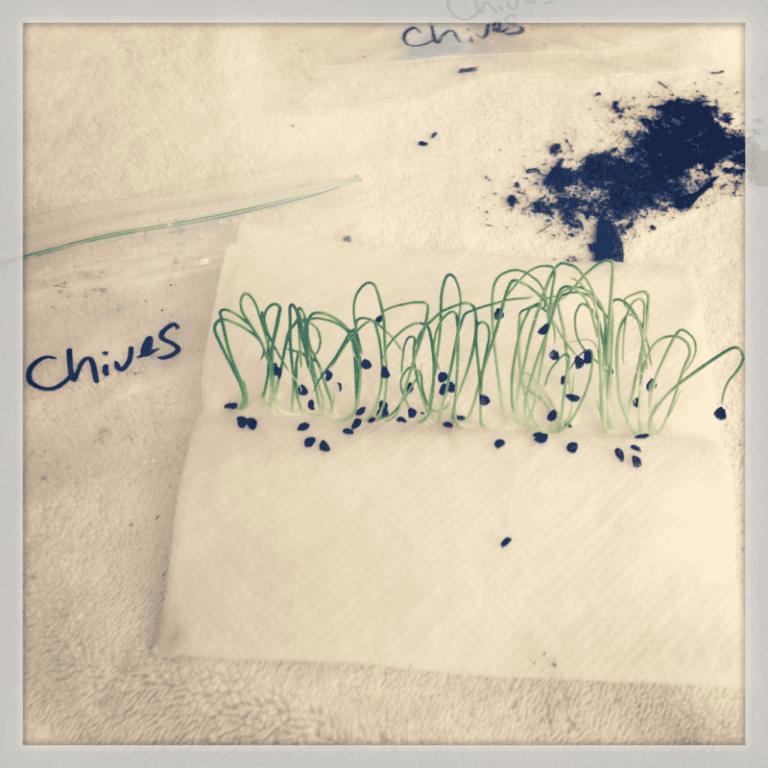
What You Need To Know About Growing Seeds In A Plastic Bag
I’ve only ever sprouted dried beans in plastic bags. They’re great for showing kids the parts of a seed. I love the idea of sprouting a variety of seeds in bags, hanging them in the window, and tracking their progress in a nature journal.
How to Grow a Sunflower House A Magical Living Fort for Kids!
I have always wanted to build a sunflower house with my kids. I’m going to have to reserve a space in my new yard to make one with my grandson next spring. Where would you put one?
We planted a taco garden a few years ago. We had tomatoes, peppers, cilantro (for salsa), and lettuce. A pizza garden would be fun, too. Check out how to do both.
If you don’t have garden space outdoors, you can definitely plant veggies and herbs indoors. It’s a great way for kids to get up close and personal with plant science.
Tara is the brains behind Homeschool Preschool, where her journey from preschool and public school teacher to homeschooling mom of three fuels her passion for early childhood education. With a blend of expertise and firsthand experience, Tara’s writings offer practical tips and engaging resources to support families in creating meaningful learning adventures at home.





What a fantastic resource!! Thank you so much for including our Grass Heads! Off to schedule to Pinterest!