How to Homeschool Preschool
If you’ve ever wondered how to homeschool preschool without buying a big curriculum or printing endless worksheets, you’re not alone. When I first learned how to start homeschooling preschool, I made it far more complicated than it needed to be.
I thought structure and paper activities were the key, but what my child really needed was me—present, curious, and playful. I want to save you from those early mistakes. Preschool at home doesn’t have to look like school. It can be slow mornings, messy art, and backyard discoveries.
In this post, we’ll discuss creating a rhythm that suits your family and helps your little one learn through connection, exploration, and joy.
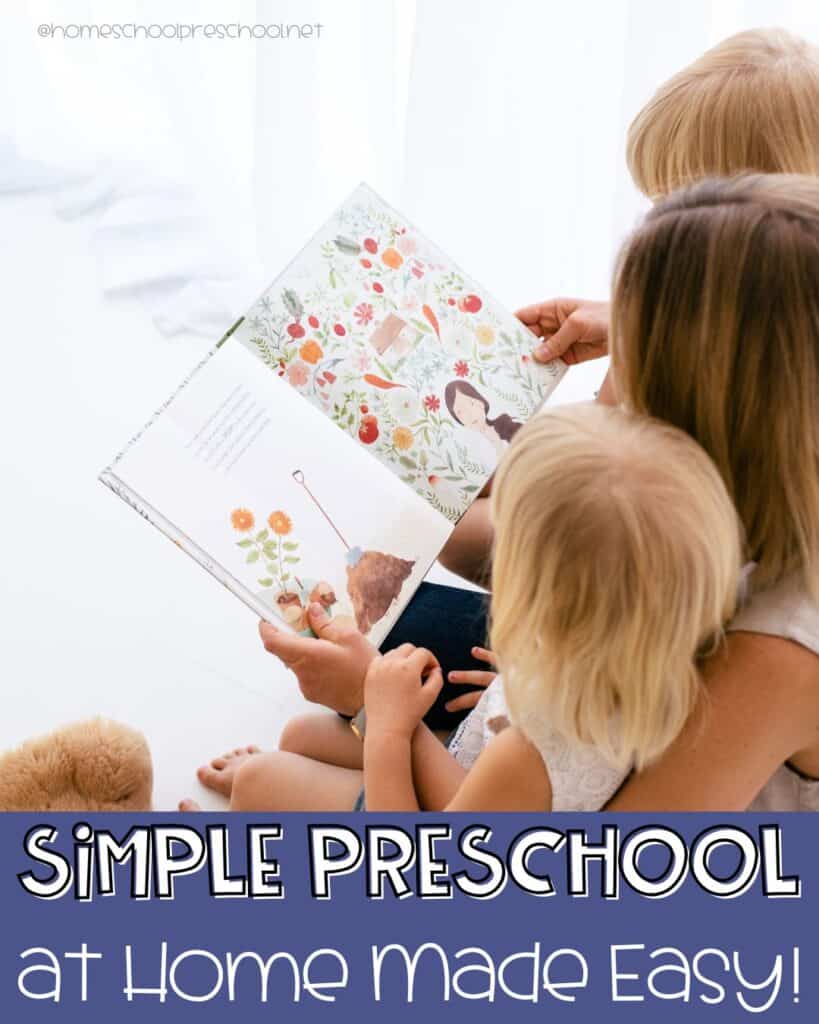
Key Takeaways
• You don’t need a curriculum to homeschool preschool.
• Real learning grows from play, connection, and curiosity.
• Focus on four simple pillars: Independence, Storytime and Sounds, Hands at Work, and Together Time
What Homeschool Preschool Really Looks Like
Homeschool preschool doesn’t need color-coded schedules or set lesson plans. It’s more about rhythm than routine—a gentle flow that fits your family’s natural pace. Think of it as a series of connected moments rather than a checklist.
A day might start with morning snuggles and a picture book, followed by outdoor play, a snack and storytime, a bit of creative play or crafting, and quiet rest in the afternoon. Some days might look different, and that’s perfectly fine.
Learning happens everywhere: when your child pours cereal, sings along in the car, or helps fold towels. These small, everyday moments teach independence, coordination, language, and patience—all without a single worksheet in sight.
The Pillars of a Playful Preschool at Home
Every meaningful preschool day can be rooted in four simple pillars. You don’t need a curriculum to follow them; just time, space, and curiosity.
Independence (Life Skills)
Invite your child into real life. Let them pour their own water, match socks, or sweep crumbs after snack time. These small moments build confidence, coordination, and responsibility.
Storytime and Sounds (Literacy Through Play)
Read every day, but don’t stop there. Play with rhymes, sing silly songs, and notice the sounds words make. These playful exchanges grow future readers long before any worksheet does.
Hands at Work (Fine and Gross Motor Skills)
Children learn by touching, moving, and creating. Offer playdough, blocks, or safe scissors, and let their hands lead. These moments strengthen muscles, focus, and imagination all at once.
Together Time (Connection and Bonding)
The heart of homeschooling preschool is your relationship. Whether you’re building forts, baking muffins, or stargazing, shared experiences teach more than any structured plan ever could.
Finding a Gentle Flow at Home
Preschoolers thrive on predictability, but that doesn’t mean you need a strict schedule. A gentle flow gives your day shape without boxing it in. Think of it as a rhythm that guides you, not a clock that controls you.
Start with what already feels natural—maybe storytime after breakfast or outdoor play before lunch. Notice when your child’s energy is highest and when they need quiet. Let that guide when you read, create, or explore.
Some days will unfold beautifully, and others will feel off. Both are normal. What matters most is the sense of safety and connection your child feels in your presence.
If you’re ready to build a fuller daily rhythm, you can explore that more deeply in my post, How to Create a Simple Preschool Homeschool Routine.
Setting Up Your Space (Keep It Simple)
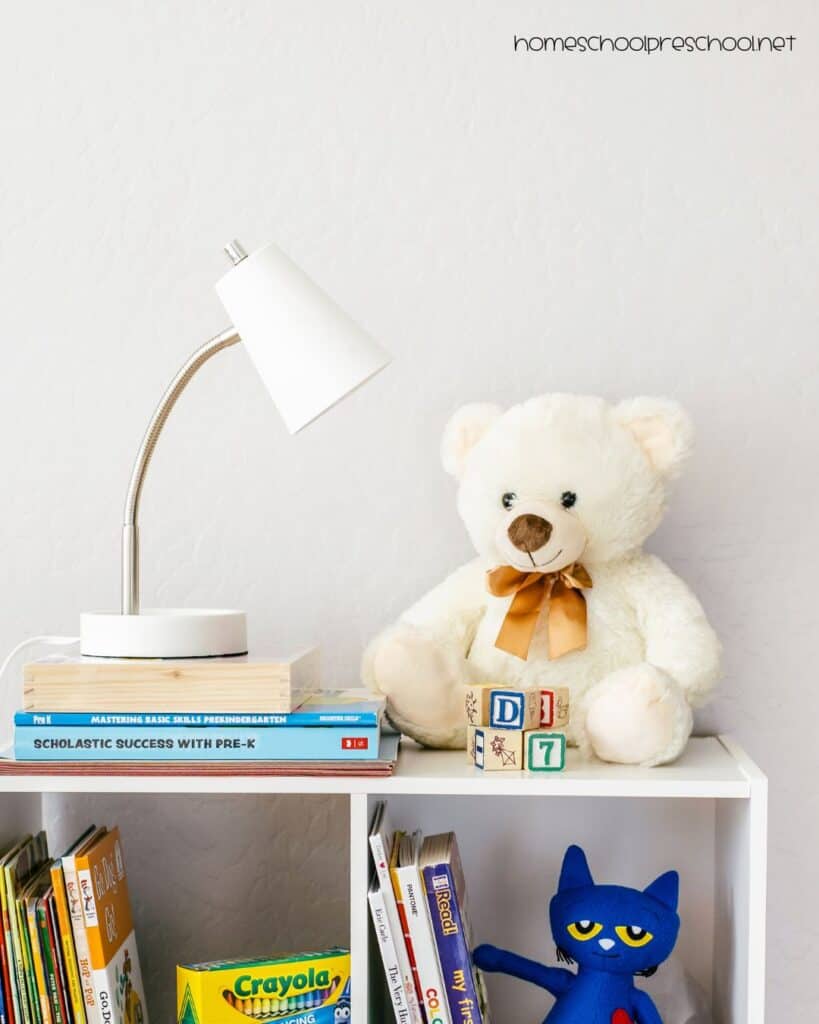
You don’t need a dedicated homeschool room or fancy supplies to create a meaningful learning space. Use what you already have—baskets for books, shelves for toys, and the kitchen table for projects. The goal isn’t perfection; it’s accessibility. When materials are easy to see and reach, your child can explore independently.
Rotate toys and activities every week or two to keep things fresh. A small change, like swapping puzzles for playdough, can spark new curiosity.
If you use printables, keep them organized in a simple folder or display a few on a clipboard or wall space. They can support your child’s interests, but don’t need to be part of everyday life. Play and connection will always be the real foundation.
When to Use Printables (and When to Skip Them)
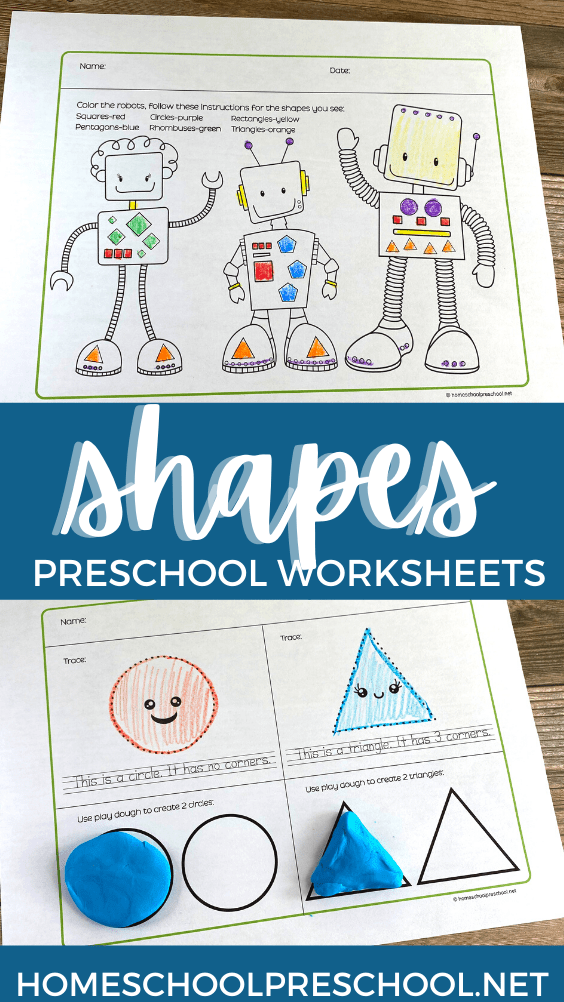
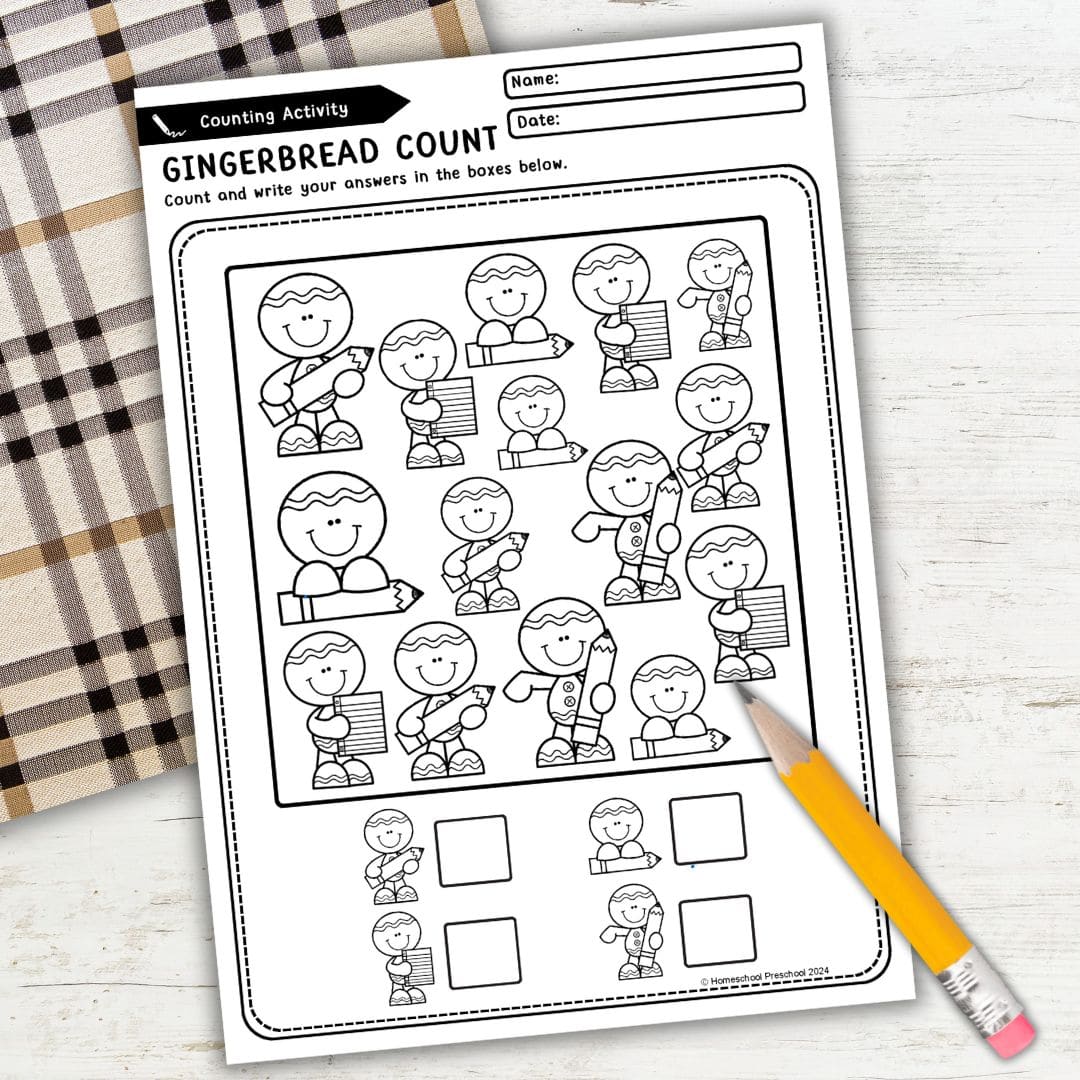
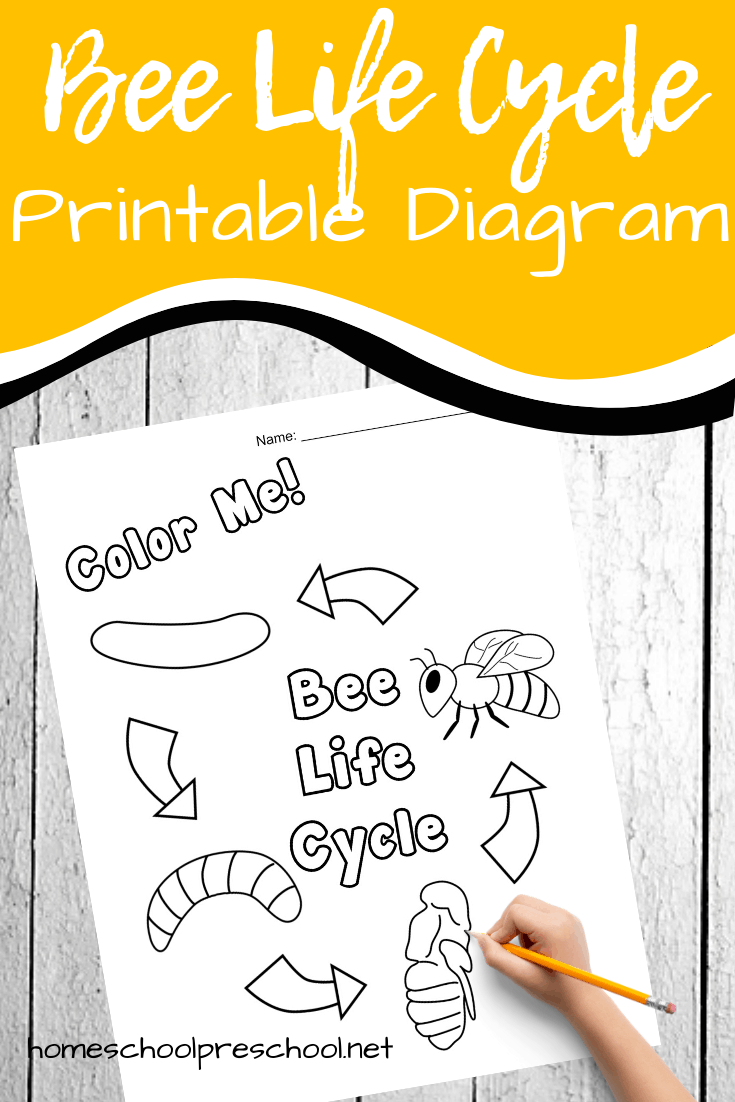
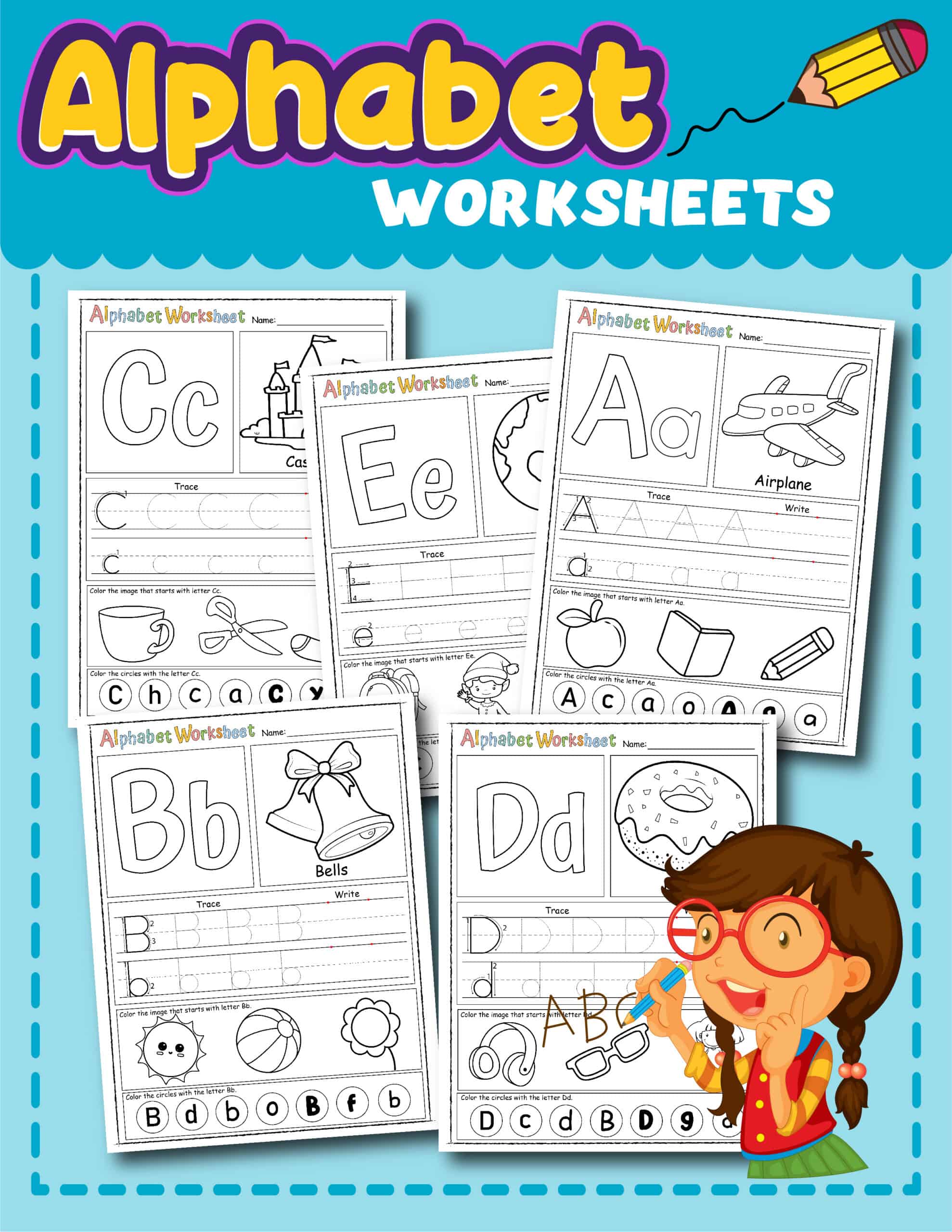
Printables can be helpful tools, but they work best when they build on what your child has already explored through play. Think of them as a way to deepen understanding, not the starting point.
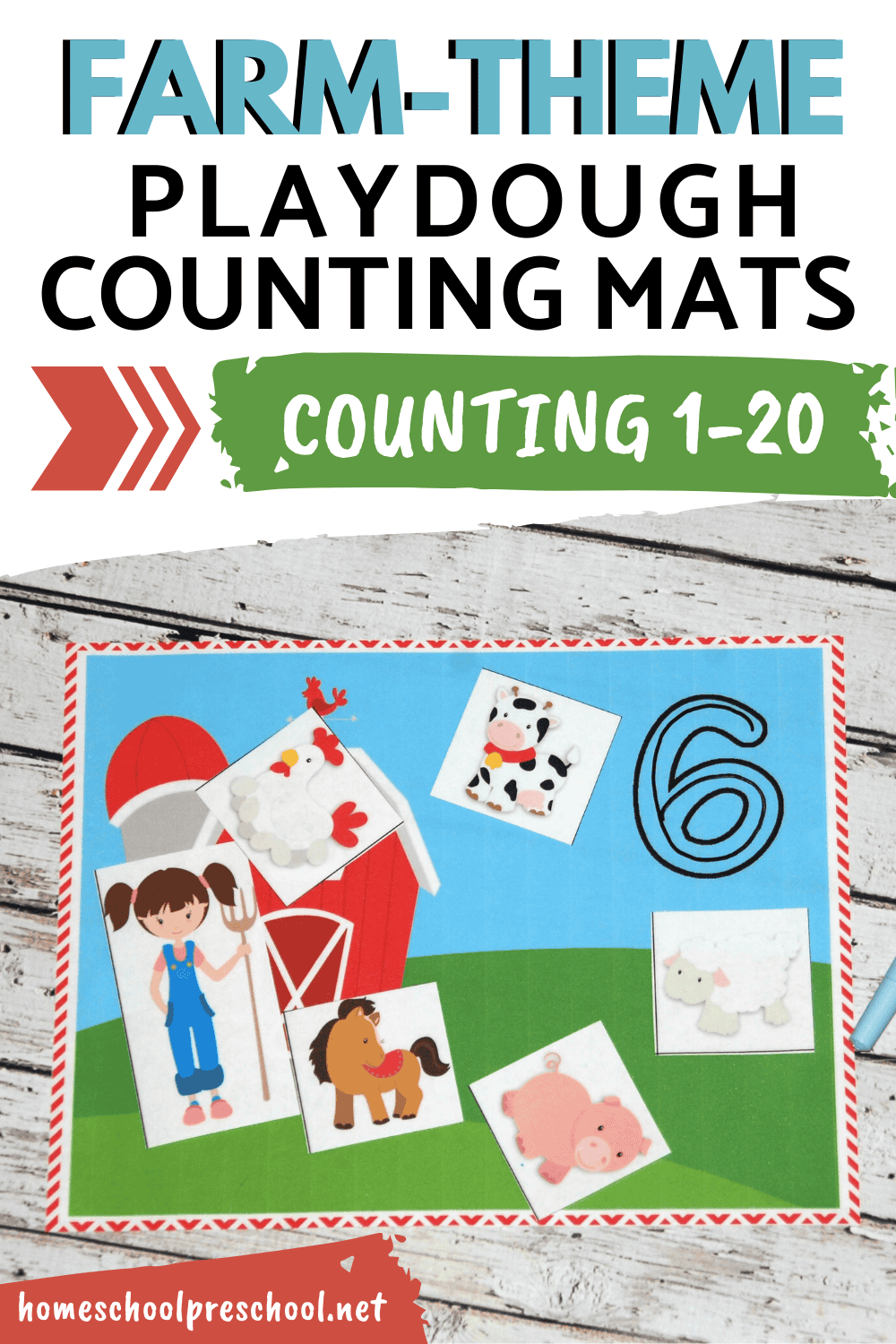
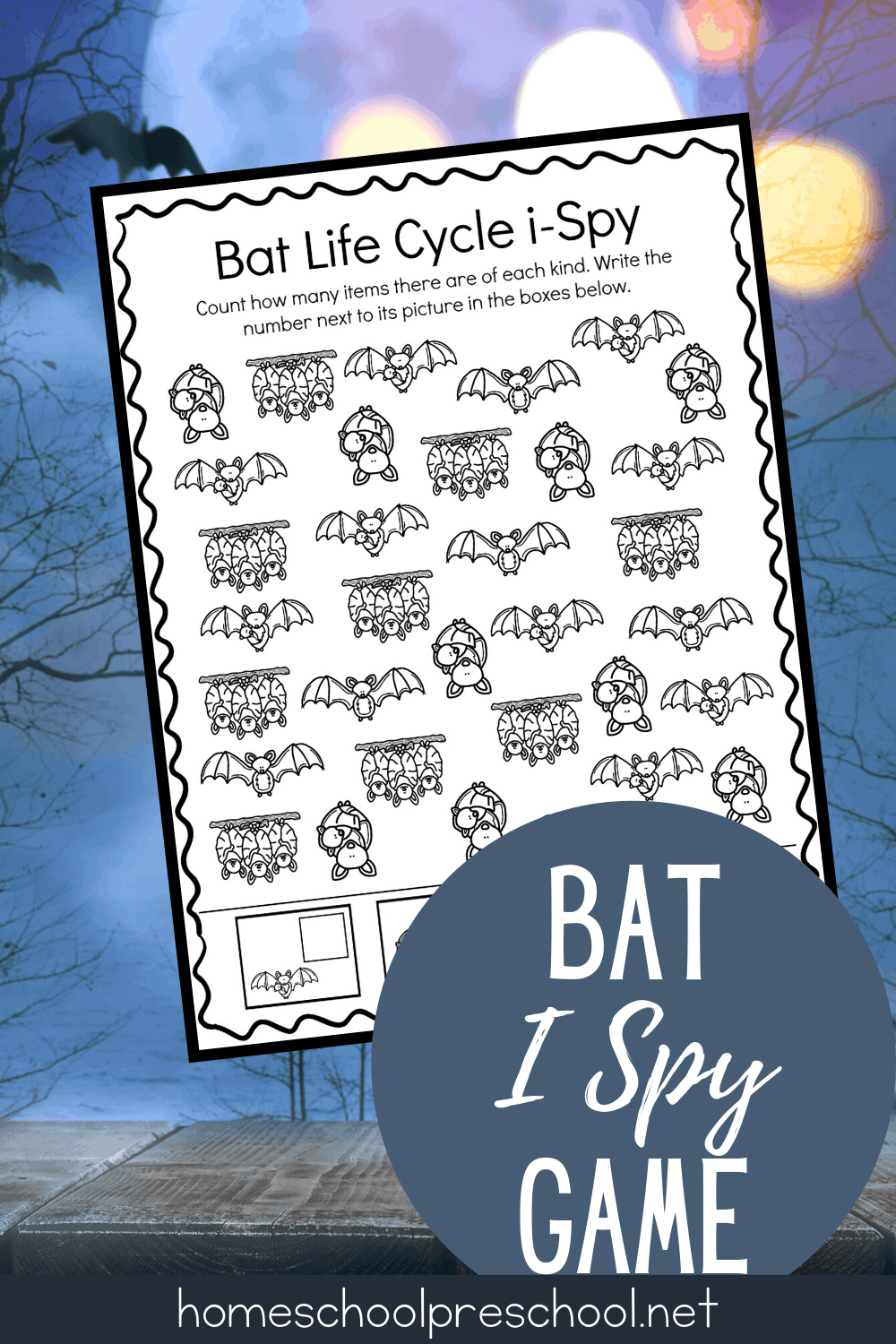
For example, if your child has been rolling out playdough letters, a tracing page can reinforce those shapes. After a morning of collecting leaves or sorting nature treasures by color, a printable sorting activity can connect the hands-on experience to a simple visual pattern.
The key is timing and intention. Let printables support what your child is curious about, not replace it. And remember, paper activities should always feel like a choice, not a checklist.
Handling Comparison and Self-Doubt
It’s easy to wonder if you’re doing enough—especially when you see other families sharing color-coordinated crafts or early reading milestones. But every child, and every home, looks different. That’s the beauty of homeschooling preschool.
Try to let go of measuring progress by what others are doing. Success at this age isn’t about reading early or counting to 100. It’s about joy, curiosity, and the bond you’re building together.
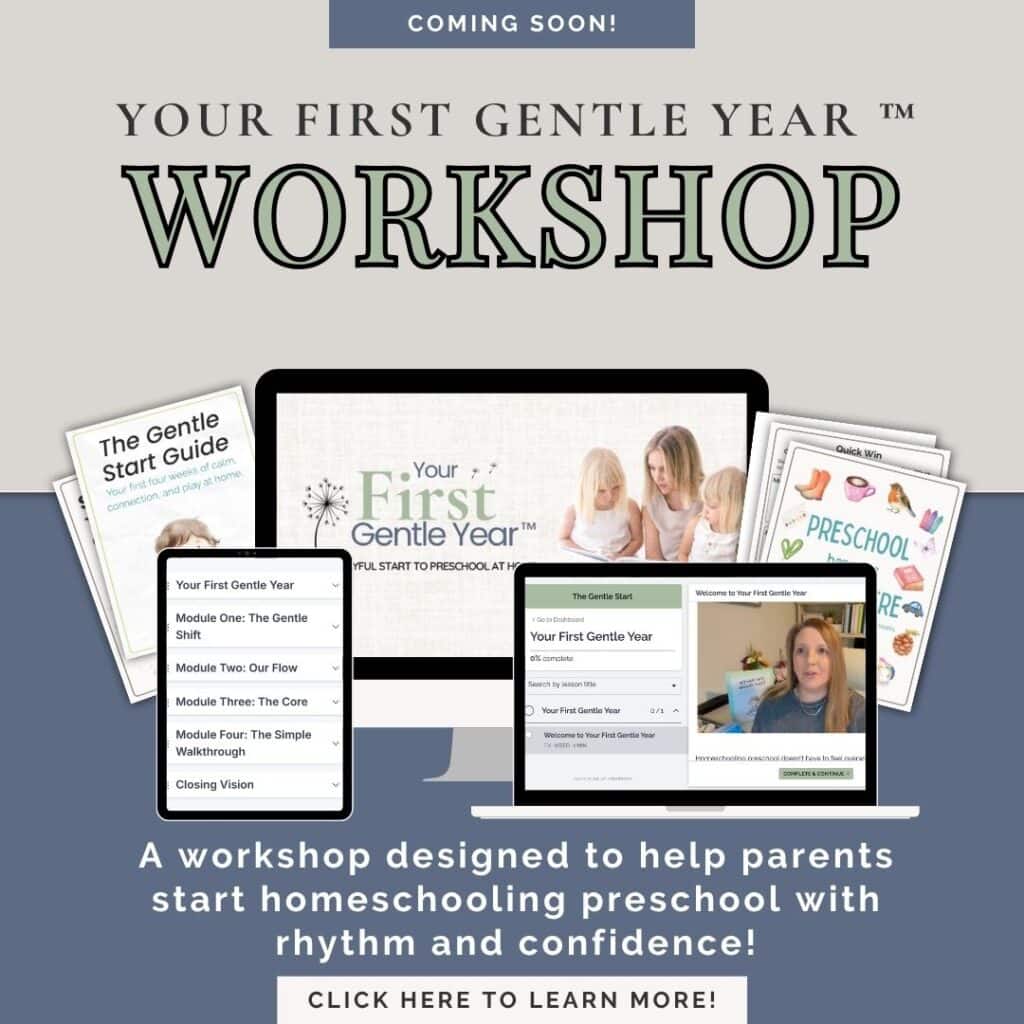
If you ever find yourself second-guessing what learning “should” look like, remember there’s no single right way to do this. Your First Gentle Year was created to help families build confidence and rhythm at their own pace—so preschool at home feels calm, connected, and completely your own.
Enrollment opens soon, and you can join the waitlist now to be among the first to know when it becomes available.
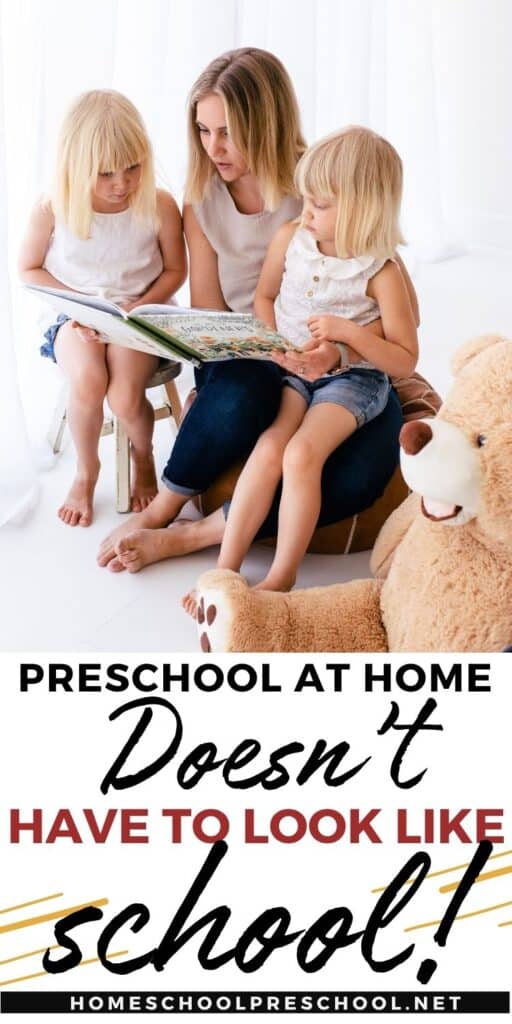
Homeschool Preschool Can Be Simple and Joyful
Homeschooling preschool doesn’t require a curriculum or a stack of lesson plans. What your child needs most is time with you—reading, playing, exploring, and noticing the world together. When learning grows from curiosity and connection, it naturally becomes joyful.
Take it slow. Follow your child’s lead. Trust that every story read, tower built, and question asked is shaping their understanding in ways that worksheets never could.
If you’d like a gentle, step-by-step approach to creating a rhythm that works for your family, my Gentle Start Guide guides you through it. It’s all about helping you homeschool preschool with more confidence and less pressure—one playful day at a time.

Tara is the brains behind Homeschool Preschool, where her journey from preschool and public school teacher to homeschooling mom of three fuels her passion for early childhood education. With a blend of expertise and firsthand experience, Tara’s writings offer practical tips and engaging resources to support families in creating meaningful learning adventures at home.