How to Set Up a Preschool Learning Space at Home (That Actually Works!)
I still remember the day I decided to figure out how to set up a preschool learning space at home. I looked around at the toy bins, craft supplies, and random puzzles scattered everywhere—and thought, There has to be a better way!
At first, I spent way too much time scrolling Pinterest, dreaming of perfectly coordinated learning spaces—matching furniture, color-coded bins, and alphabet walls that looked like a preschool classroom. But real life? It looked more like a kitchen table buried in crayons and a living room floor scattered with building blocks and puzzle pieces.
That’s when I realized our learning space didn’t need to be fancy—it just needed to work for us. Whether you have a full playroom or a tiny corner carved out of your living room, you can create a space that supports your preschooler’s growth and curiosity.
In this post, I’ll share easy and flexible tips to help you set up a learning space that fits your home, budget, and real-life routines.
What You’ll Find in This Post
If you’ve ever stared at a messy pile of toys and wondered how to create a space where learning actually happens—you’re in the right place. In this post, I’ll walk you through simple, realistic steps to help you set up a preschool learning space at home that works for you and your child.
Here’s what we’ll cover:
• The must-have elements for a preschool learning space
From child-sized seating to accessible shelves, I’ll share the essentials that support hands-on learning without overwhelming your space.
• Smart ways to organize materials—even in small spaces
You’ll learn how to use bins, baskets, and even rolling carts to keep things tidy and kid-friendly.
• Ideas for creating activity zones
I’ll show you how to set up play and learning areas that encourage independence, creativity, and focused fun.
• Tips for keeping things low-stress and flexible
This isn’t about perfection—it’s about making your space work for your real-life routines.
• Encouragement for when it feels “less than perfect”
Because we all have those days! You’ll find reassurance and real-talk reminders that your effort truly matters.
Mom-to-Mom Reminder:
You don’t need a Pinterest-perfect setup to raise a curious, confident learner. A basket of books, a little table, and your loving attention go a long way. Start with what you have—and grow from there.
How to Set Up a Preschool Learning Space
Let’s break it down step by step. These simple ideas will help you create a preschool learning space that’s cozy, organized, and truly works for your child, even if you’re short on space (or time). No fancy remodels required!
1. Choose a Spot That Works for You
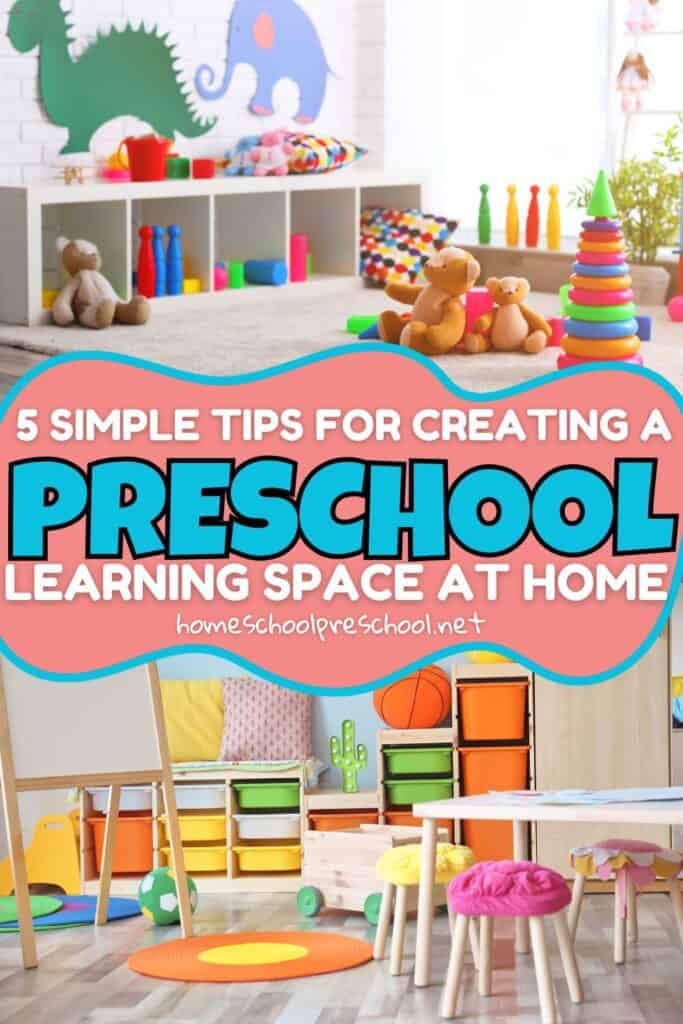
When you’re setting up a preschool learning space in your home, the first step is choosing a suitable location. Spoiler alert: it doesn’t have to be a whole room! A cozy corner of the kitchen, a little nook in the living room, or even a mobile setup with a rolling cart can do the trick perfectly.
Look for a spot where your preschooler can:
- Access materials independently (low shelves or bins they can reach)
- Play safely without tripping over cords or bumping into sharp corners
- Focus without constant distractions like loud TVs or heavy foot traffic
This space doesn’t need to be big—it just needs to be consistent and functional.
Mom Note: We used the corner of our basement for years. I added a soft rug, a small shelf for toys and books, and a few labeled bins from Ikea. It wasn’t fancy, but it gave us structure, and my kids knew it was “their space.”



Include a Table + Floor Space
Preschoolers learn best when they can move between different types of play—and that means your space should include two main zones:
- A flat surface for writing, drawing, puzzles, and crafts.
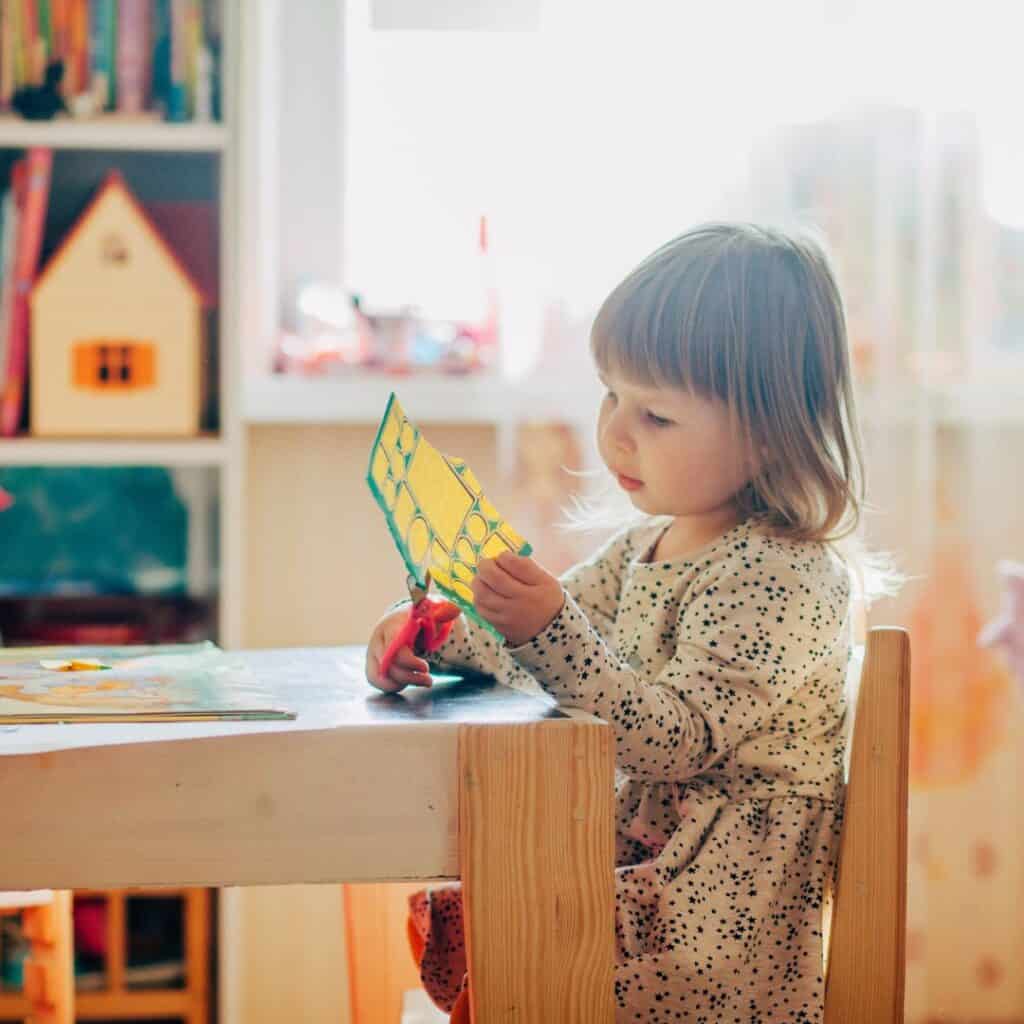
This could be a child-sized table, a spot at the kitchen table, or even a lap desk on the couch! What matters most is having a sturdy, comfy spot for those fine-motor tasks. - A floor area for play that’s more active—think building blocks, train tracks, pretend play, or a little gross motor fun like animal walks or yoga stretches.
???? Prep Tip: Add a soft rug, play mat, or foam tiles to define the floor zone. It helps kids recognize that “this is where we play,” and it makes cleanup quicker (you can even teach them to toss toys back into a bin on the rug!).
Mom Note: We used a $10 rug from the clearance section, and it worked like magic. My preschooler called it his “play island.”
Keep Learning Materials at Kid-Level
One of the best things you can do when setting up your preschool learning space is to make everything easily accessible. When your child can see and reach their supplies, they’re more likely to explore, play, and even clean up (yes, really!).
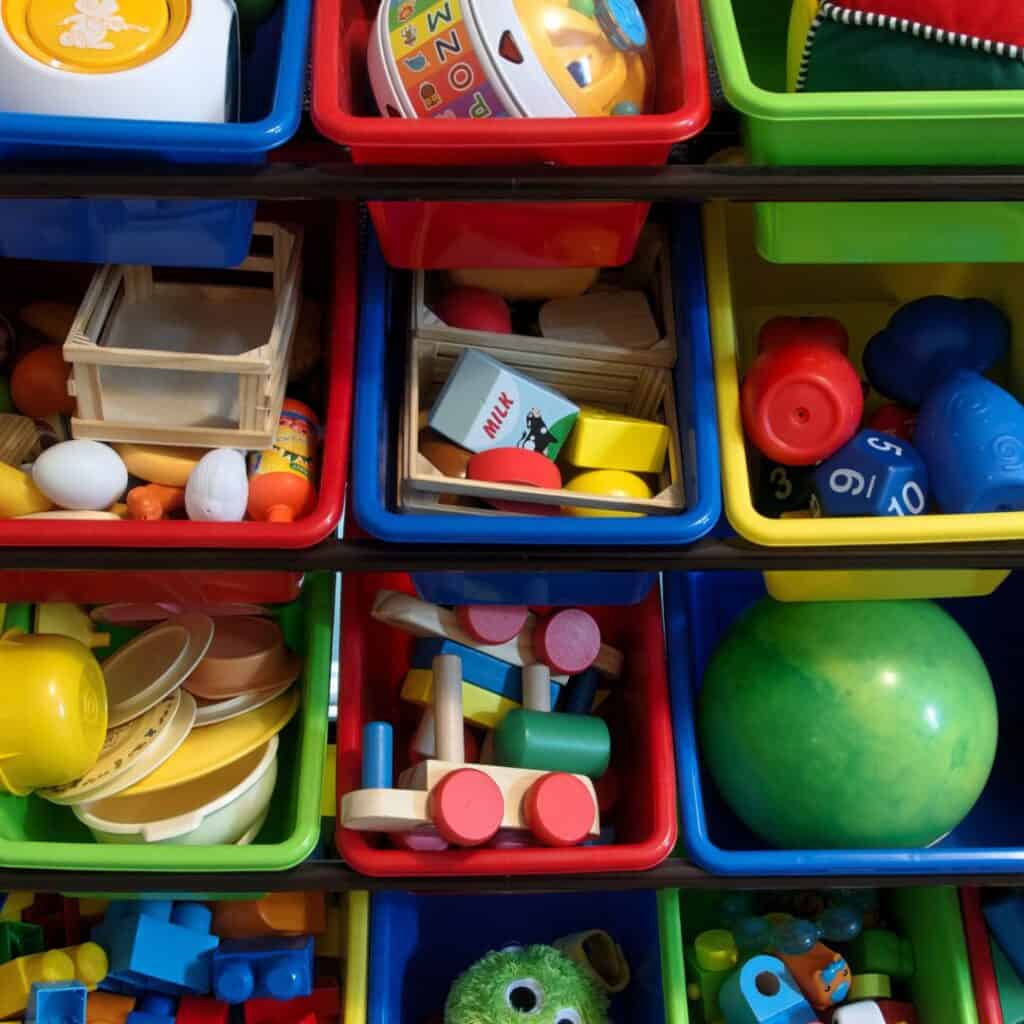
Use low shelves, baskets, or plastic bins your preschooler can open and carry on their own. Clear bins work wonderfully, and adding picture labels can make it even easier for little ones to know where things go.
Why it matters: When materials are at kid-level, it builds independence, encourages self-directed play, and reduces the constant “Mom, where’s the…?”
Suggested Supplies to Keep Handy:
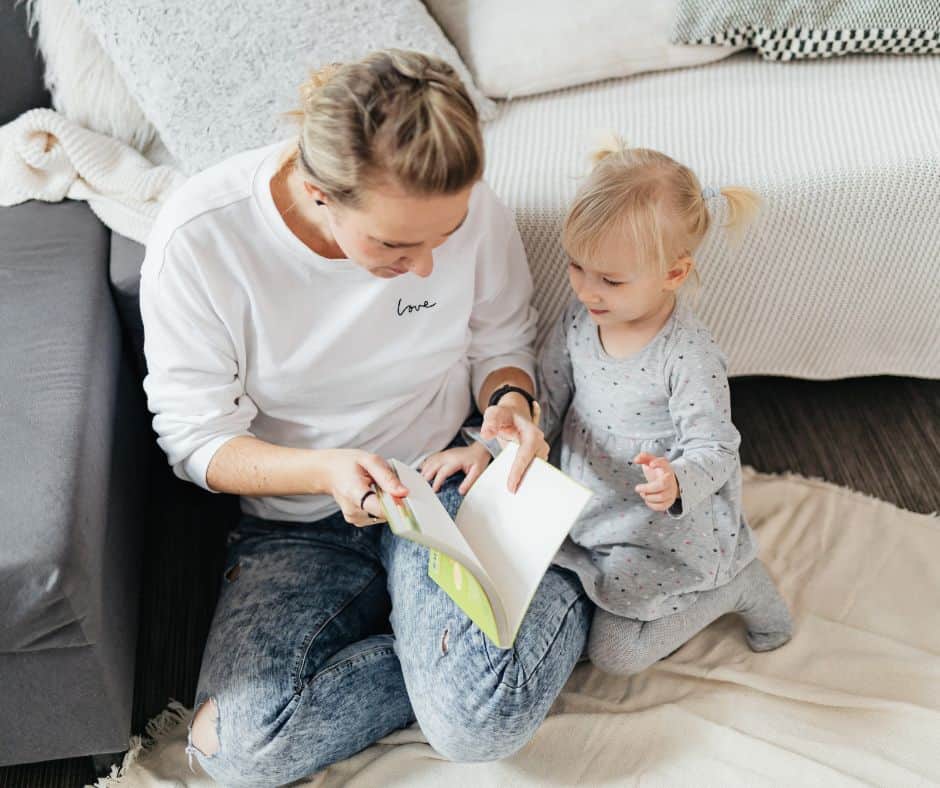
- Board books and read-aloud favorites – We keep these in baskets by the couch
- Crayons, child-safe scissors, glue sticks
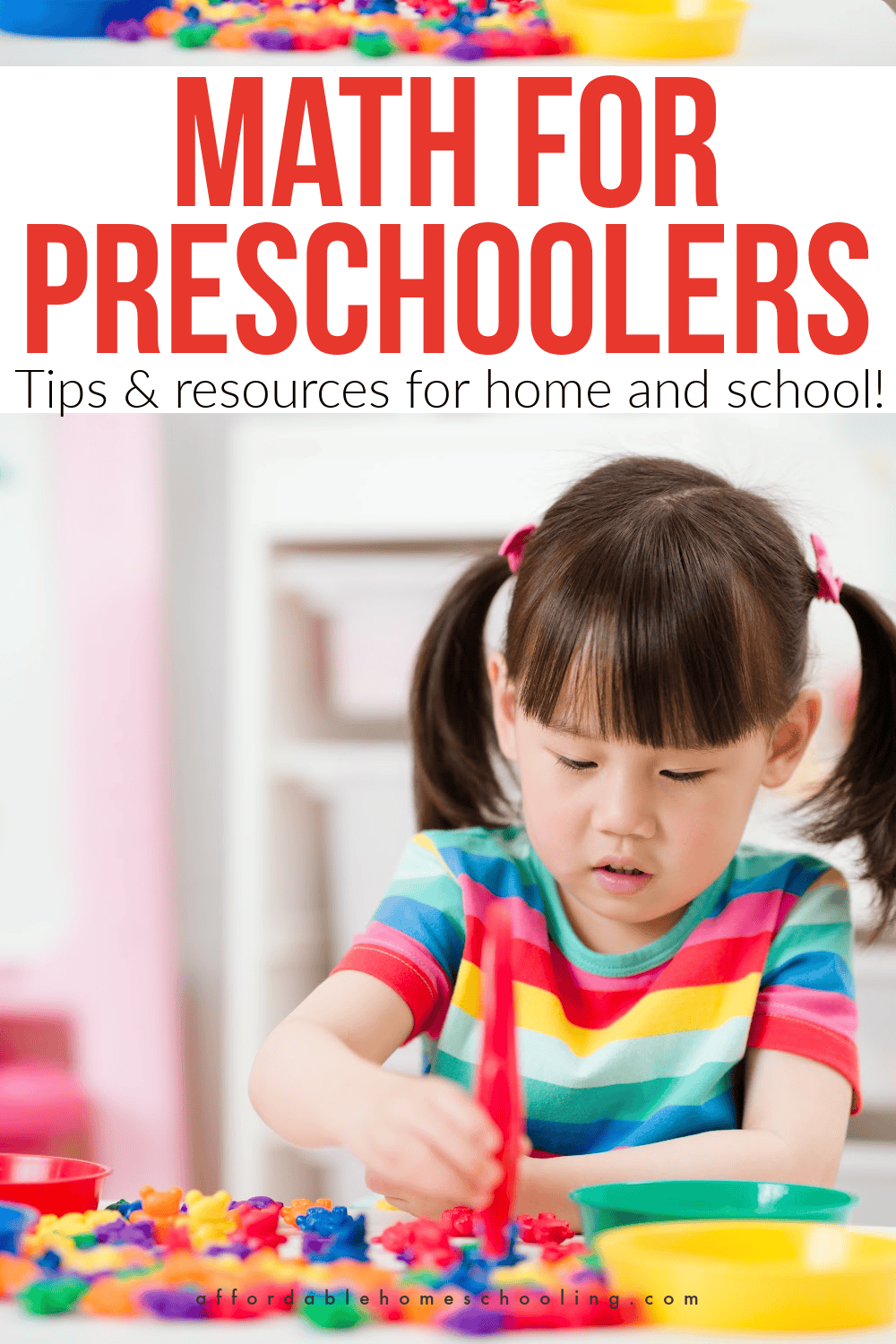
- Counting bears, pattern blocks, stacking cups
- Playdough and simple fine motor tools (like tongs or stamps)
Mom Note: We use clear shoebox bins—super easy for my 3-year-old to put things away! I rotate them every few weeks to keep things exciting without adding clutter.
Prep Tip: Keep out just a few items at a time. A smaller selection helps kids focus and reduces overwhelm.
Create Simple Zones for Play + Learning
When it comes to organizing your preschool space, you don’t need walls—just a clear purpose for each area. Think of your learning space as a little “mini classroom,” where each corner or shelf invites a different kind of play or discovery.
Setting up simple, intentional zones helps your child know where to go for certain activities. It also makes cleanup easier and supports a smoother daily rhythm.
Here are a few easy zones to consider:
- Art Zone: Stock this area with paper, crayons, washable markers, stickers, and glue sticks. Use a placemat or tray to protect your table and contain the mess.
- Reading Nook: A cozy corner with a basket of books and a comfy pillow or blanket. You’d be amazed how magical it feels with just a little twinkle light or beanbag chair.
- Math + Manipulatives: Use a small bin or tray for activities such as counting bears, number puzzles, shape sorters, or measuring spoons. These hands-on tools help build early math concepts without feeling “school-y.”
- Pretend Play: A dress-up bin, play kitchen accessories, dolls, or stuffed animals can go here. Even one basket of props is enough to spark big imagination!
Prep Tip: Use cube shelves, rolling carts, or even color-coded bins to separate the zones—even if they all live in the same room.
Add Visuals and a Daily Routine
Adding a few cheerful visuals to your preschool space can make it feel extra special—and give your little one helpful cues throughout the day. Preschoolers thrive on routine and repetition, so even simple charts or posters can bring a sense of calm and structure.
You don’t need to hang a classroom bulletin board (unless you want to!). Just pick a wall, the side of a bookshelf, or even a trifold display board to post a few visuals your child will see and use often.
Here are a few ideas to include:
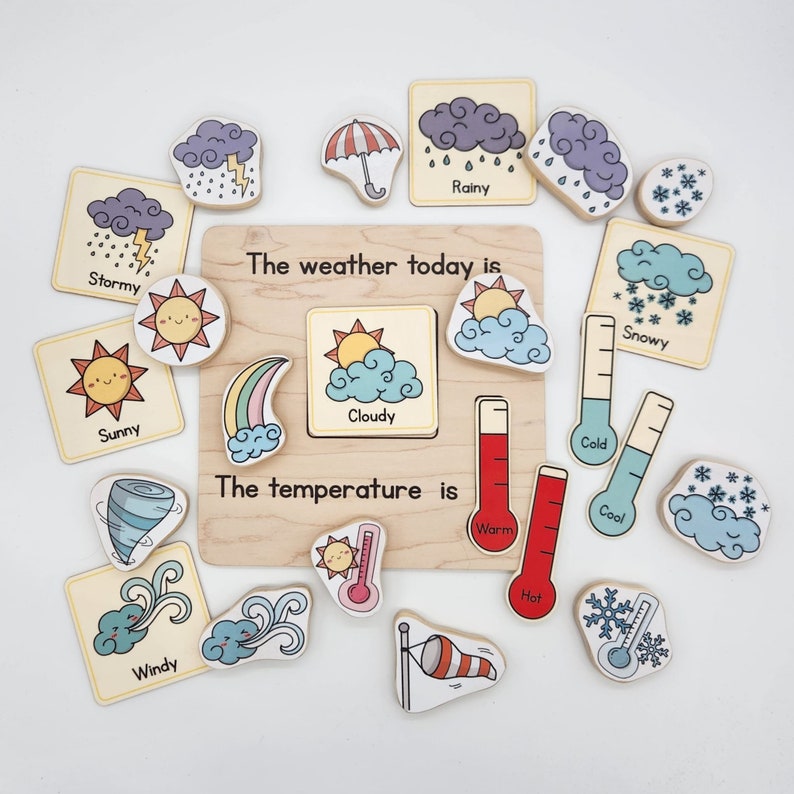
- Weather Chart – Let your child help “check the sky” and update the weather each morning.
- Alphabet Line – Display uppercase and lowercase letters across a wall or at eye level.
- Days of the Week – Use song cues or color-coded labels to reinforce calendar concepts.
- Daily Rhythm Chart – A visual schedule (with pictures!) helps with transitions like “clean-up time” or “snack break.”


Tips and Encouragement
Setting up a preschool learning space at home is a journey—not a one-and-done project. It’s okay (and totally normal!) if it takes time to figure out what works best for your family. These little reminders have helped me through the trial-and-error seasons, and I hope they encourage you too:
• Start small.
One shelf, a small basket of books, and a few open-ended activities is plenty to begin. Your space doesn’t have to be picture-perfect—it just needs to be usable and welcoming.
• Tidy once a day.
A quick cleanup at the end of the day makes a big difference. We sing a silly cleanup song, and even 3-year-olds can help return items to bins with a little routine.
• Involve your child.
Preschoolers love to take ownership. Let them choose what goes in each bin, help label shelves, or decide which books stay out for the week.
• Let it evolve.
Your needs will change, your child’s interests will shift, and that’s okay! Revisit your setup periodically and adjust as needed.
• Even five minutes counts.
Some days, all you manage is a quick read-aloud or a handful of crayons on the table—and that’s still learning. Connection is more important than perfection.
Mom Note: Our space has changed three times in the last year—and that’s just fine. What matters most is that it continues to work for us.
Optional Extras
- ???? Book List: Favorite Read-Alouds for Preschoolers
- ✂️ Related Post: Simple Fine Motor Activities You Can Do at Home
Pin it for Later!
???? Love this post? Pin it to save your favorite preschool setup ideas!
You’re Doing Great, Mama
Setting up your preschool learning space at home doesn’t have to be complicated or expensive. Start with what you have—a little table, a few baskets, a cozy reading spot—and build from there. Focus on connection over perfection, and trust that your child is learning and growing through every block tower, crayon scribble, and read-aloud moment.
I hope this post gave you some doable, stress-free ideas to try this week. Whether you’re rearranging a room or just adding a few kid-level bins, it all counts. Remember: your love, presence, and intentional time together matter more than any setup.
You’re doing an amazing job—and I’m cheering you on every step of the way.

Tara is the brains behind Homeschool Preschool, where her journey from preschool and public school teacher to homeschooling mom of three fuels her passion for early childhood education. With a blend of expertise and firsthand experience, Tara’s writings offer practical tips and engaging resources to support families in creating meaningful learning adventures at home.