How to Start Homeschooling Preschool (Without Recreating a Classroom at Home)
If you’ve been wondering how to start homeschooling preschool without losing your sanity, you’re in good company. Here at Homeschool Preschool, we believe those early years aren’t about checking boxes or recreating a classroom — they’re about finding a gentle rhythm that fits your family.
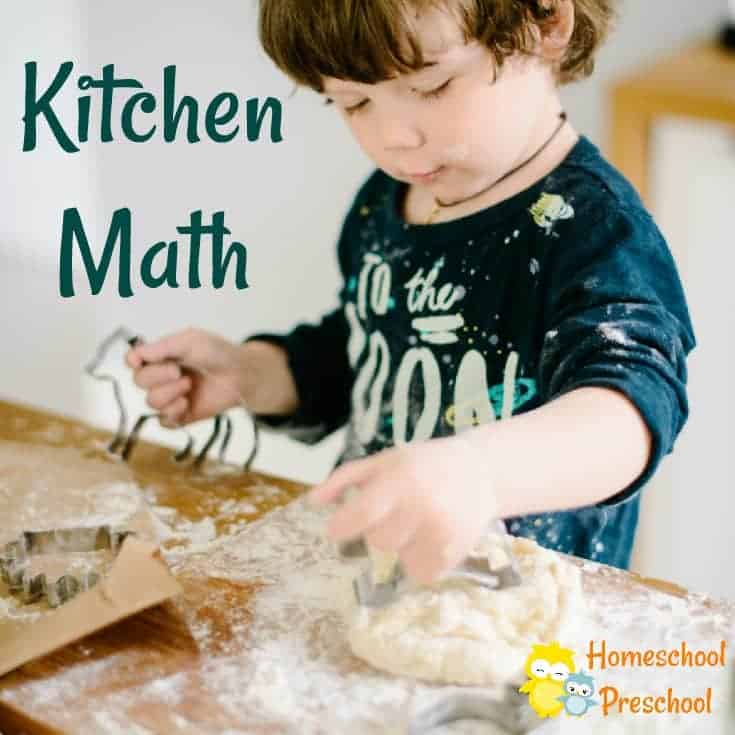
Homeschooling preschool is simply learning through everyday moments: counting blueberries at snack time, curling up with a stack of picture books, or letting your child pour the flour (and spill a little).
You don’t need a teaching degree or a color-coded plan — just curiosity, connection, and a bit of consistency. As you find your flow, the days begin to feel less like lessons and more like life — together, on purpose.
What Homeschool Preschool Really Is (and What It Isn’t)
Homeschool preschool doesn’t mean turning your home into a classroom. It’s not about desks or bulletin boards or keeping up with someone’s color-coded routine. It’s about creating space for curiosity — and letting learning happen naturally in the middle of your everyday life.
| Not This | But This |
| Pinterest-perfect school setup | Cozy reading spot + playdough at the kitchen table |
| Full curriculum schedule | Light rhythm woven into daily life |
Think of it less like “doing school” and more like slowing down enough to notice what your child is drawn to — and following that spark. This post will walk you through a gentle way to start — no overwhelm required.
How to Homeschool Preschool: The Four Core Areas to Focus On
When you’re figuring out what to teach preschool at home, it helps to keep things simple. You don’t need a long list of subjects or fancy lesson plans. A well-rounded preschool experience grows naturally from a few key areas — all rooted in play, movement, and connection.
Fine Motor Activities for Preschoolers
This stage is about prepping little hands, not filling out worksheets. Think stickers, tearing paper, threading beads, using tongs, or rolling playdough snakes. Every squeeze, pinch, and poke builds the strength kids need for writing later on.
Early Literacy Through Play
Early literacy at home doesn’t have to look like a curriculum. It’s reading aloud on the couch, talking about letters you spot on a cereal box, or singing the same silly rhymes again and again. These everyday moments build vocabulary, sound awareness, and a love for stories — long before handwriting comes into play.
Life Skills and Independent Play
Homeschooling a preschooler blends family life and learning. Let your child pour their own drink, match socks, set the table, or help stir the batter. These daily rhythms teach patience, problem-solving, and confidence. Balance that with open-ended play — blocks, dolls, dirt — where imagination becomes the best teacher.
Connection Rituals that Build Rhythm
Little ones thrive on knowing what comes next. Simple connection rituals — morning cuddles and stories, an afternoon walk, or lighting a candle before snack time — help them feel secure and ready to explore.
I’ll show you a first-week rhythm below — and if you want it printable, I have a free starter checklist waiting for you.
Rhythm vs Schedule — A Gentle Way to Structure Your Day
Finding your preschool homeschooling rhythm is less about time slots and more about flow. Rhythm gives your day a heartbeat — a predictable pattern that helps both you and your child move calmly from one thing to the next. It’s not a rigid schedule with start and stop times. It’s the sense of, this comes after that, so your little one can settle into the day with ease.
Here’s an example of a simple rhythm:
Breakfast → Read together → Table moment (5–10 minutes) → Outdoor or free play → Afternoon story or rest basket
You can adjust the pieces as your family’s needs change, but the rhythm stays steady beneath it all. It anchors the day without boxing you in. Read more about our simple preschool rhythm here.
What You Actually Need to Start Homeschooling Preschoolers
Before you fill an online cart, take a breath. Most of what you need to begin is already in your home. A homeschool preschool supplies list should feel simple—enough to spark creativity without cluttering your shelves. Think tools that invite hands-on play and connection, not overwhelm.
A few basics to start with:
- Crayons, washable markers, and child-safe scissors
- Playdough, glue sticks, and construction paper
- Picture books (library cards count as gold)
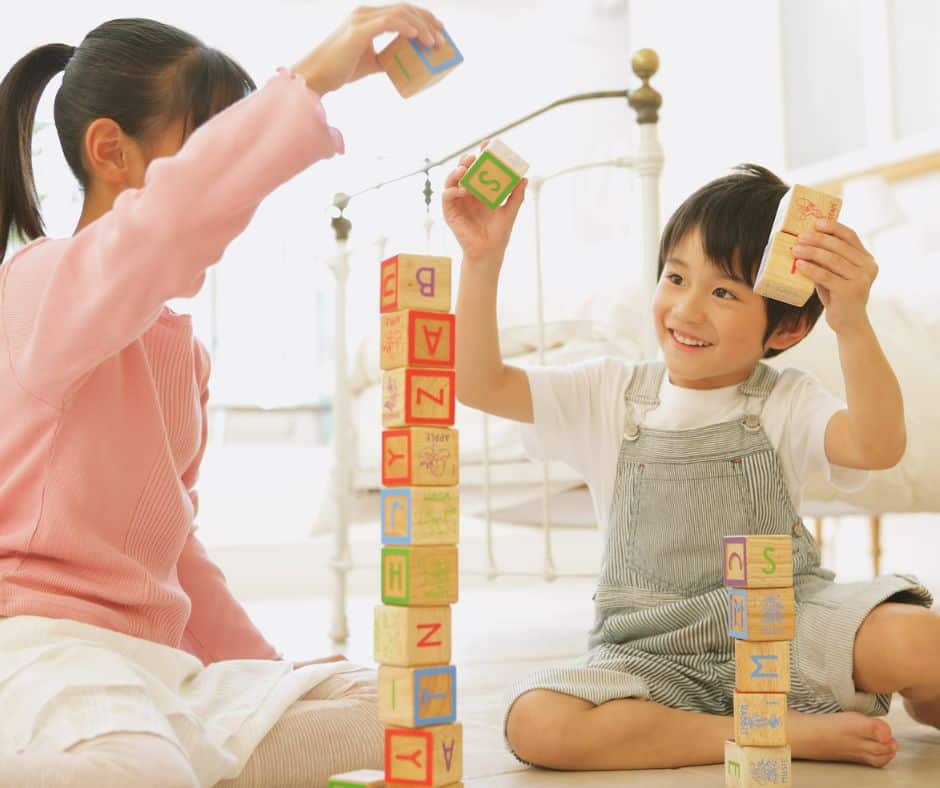
- Simple puzzles and building blocks
- A bin for sensory play — rice, beans, or water with scoops
- A cozy reading spot and a sturdy kitchen table
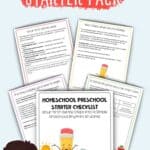
If you want this as a clean, printable checklist, grab my Homeschool Preschool Starter Checklist here.
A Simple First Week Plan to Ease Into Homeschool Preschool
Your first week at home doesn’t need to look polished — it just needs to feel doable. Think of this as a soft start, a way to find your rhythm without pressure or perfection. This is meant to build confidence, not check boxes.
Here’s a gentle outline to get you started:
Monday: Read together after breakfast and make playdough for your first “table moment.”
Tuesday: Go on a short nature walk. Collect leaves or rocks to sort when you get home.
Wednesday: Try a simple art invitation — crayons, paper, and music in the background.
Thursday: Practice independence: let your child help prep snack or pour their drink.
Friday: Revisit your favorite story from the week and create a small craft to go with it.
End each day with a moment of connection — maybe story time, maybe cuddles. It’s the repetition that builds rhythm over time.
In my Jumpstart Kit, I’ve mapped this out in printable form, with routine cards so that you can slide right in without second-guessing.
Before You Begin — Give Yourself Permission to Start Small
If you’ve been wondering how to homeschool your preschoolers without overwhelm, here’s the truth — it doesn’t have to be all or nothing. The goal isn’t a perfect week or a picture-ready setup. It’s showing up with presence, even if the day goes sideways.
Some days your child will be eager; other days, not so much. Skipping a day isn’t failure — it’s flexibility. The beauty of homeschooling is that it bends with your life. You can always circle back tomorrow.
Start with one small rhythm: a morning story, a daily walk, or a few quiet minutes of play after lunch. Keep it light, keep it real. Growth will happen in the spaces between the plans.
Want a Printable Checklist to Get Started?
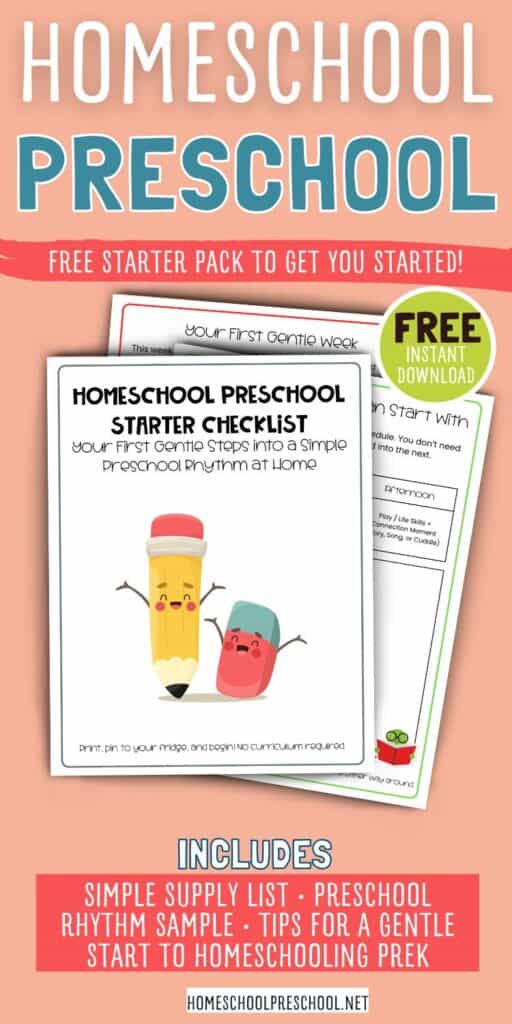
If you want something tangible to anchor your rhythm, I made a free Homeschool Preschool Starter Checklist with a one-week layout and a simple supply list — just print and begin. No curriculum required, no extra prep.
It’s a small way to start with confidence and see how gentle, home-centered learning can actually feel peaceful. Grab your copy below and take the first step toward a calm, connected preschool rhythm.

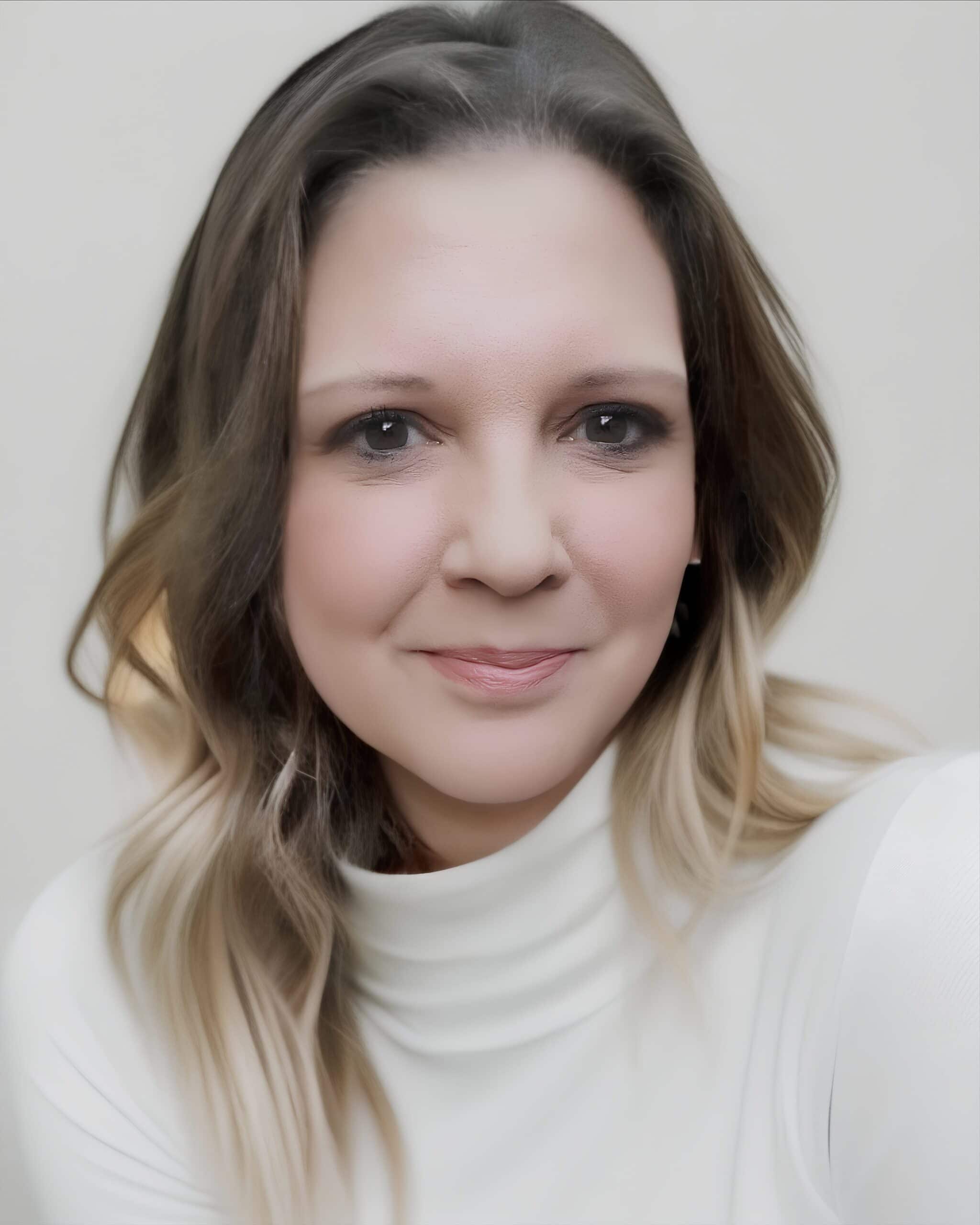
Tara is the brains behind Homeschool Preschool, where her journey from preschool and public school teacher to homeschooling mom of three fuels her passion for early childhood education. With a blend of expertise and firsthand experience, Tara’s writings offer practical tips and engaging resources to support families in creating meaningful learning adventures at home.