How to Teach Letter Recognition to Preschoolers
Learning how to teach letter recognition to preschoolers doesn’t have to be overwhelming—it can actually be one of the most joyful parts of early learning! Letter recognition is simply the ability to identify and name the letters of the alphabet, both uppercase and lowercase. It’s one of the very first steps on your little learner’s reading journey and sets the stage for phonics, sounding out words, and early literacy success.
The good news? With playful, hands-on letter recognition activities, you can make learning letters a natural and exciting part of your daily routine. Whether your child loves singing songs, getting messy with crafts, or playing games, there’s a way to make learning letters feel like play. In this post, we’ll walk through simple strategies, fun ideas, and practical tips to help you introduce the alphabet in a way that clicks for your preschooler—and leaves you both smiling.
What Is Letter Recognition?
Letter recognition is the ability to look at a letter and know its name. It’s that moment when a preschooler points to a big “P” on a stop sign and proudly says, “That’s a P!” This early literacy skill involves identifying both uppercase and lowercase letters, recognizing them in different fonts, and understanding that each letter has its own name and shape.
When we talk about teaching letter recognition, we usually begin with uppercase letters—they’re easier to distinguish and often appear first in names and signs. Later, we introduce lowercase letters, which are more frequently used in everyday print, such as books and labels.
It’s helpful to know that letter recognition is different from phonemic awareness and phonics. While phonemic awareness focuses on hearing and playing with sounds in words, and phonics connects those sounds to letters, letter recognition is all about knowing what the letters look like and what they’re called. It’s the very first puzzle piece in your preschooler’s reading journey!
When Should Preschoolers Learn Letters?
Most children begin learning letters between the ages of 3 and 5, but it’s important to remember that every child develops at their own pace. Some may show interest earlier, while others need a little more time, and that’s perfectly okay! Letter recognition isn’t a race; it’s about creating a positive and playful experience that sets the stage for a lifelong love of reading.
Instead of focusing solely on age, look for signs of readiness. Your child might be ready to start learning letters if they:
- Show interest in books or signs
- Recognize their name or favorite logos
- Pretend to “read” or point to letters while playing
- Enjoy singing the ABC song
- Ask about letters or copy them in drawings
The key is to follow your child’s lead. When learning feels like fun and not a chore, they’ll naturally begin to recognize and name letters in their own time.
Tips for Getting Started
When it’s time to start teaching letters, keep things simple and joyful. One of the best ways to begin is by focusing on the letters in your child’s name. These letters are personal, meaningful, and often the easiest for preschoolers to remember. Start with the first letter of their name and build from there-celebrate each one with songs, crafts, and games!
Begin with capital letters since they’re easier to identify and often have more distinct shapes. Once your child is comfortable with those, you can gently introduce lowercase letters, especially the ones that look similar.
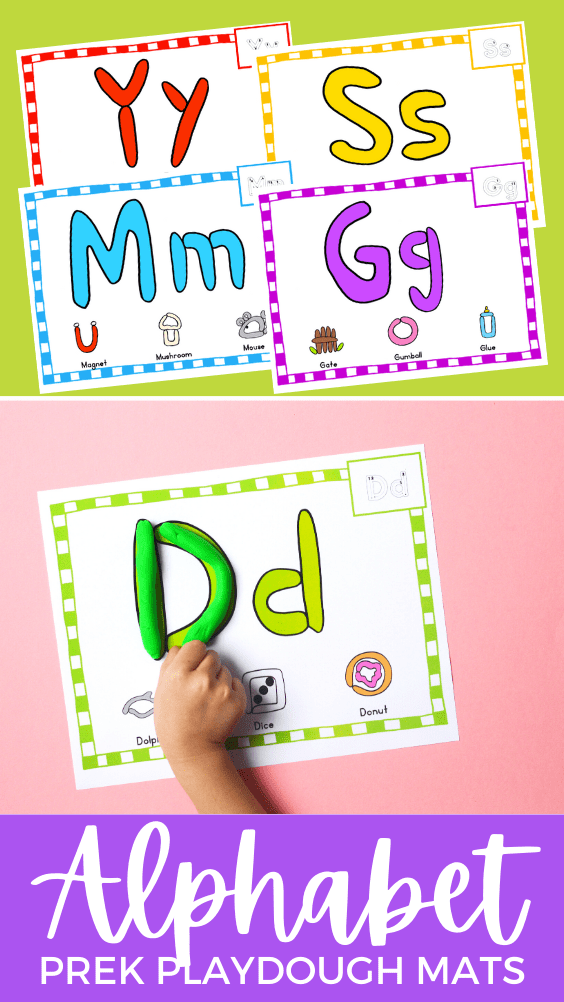
Instead of rushing through the entire alphabet, take it slow and introduce just a few letters at a time. Let your child explore and review as needed. And remember: all children learn in different ways. Try multi-sensory activities like tracing letters in sand, building them with playdough, or singing alphabet songs to keep learning fun and engaging for all types of learners.
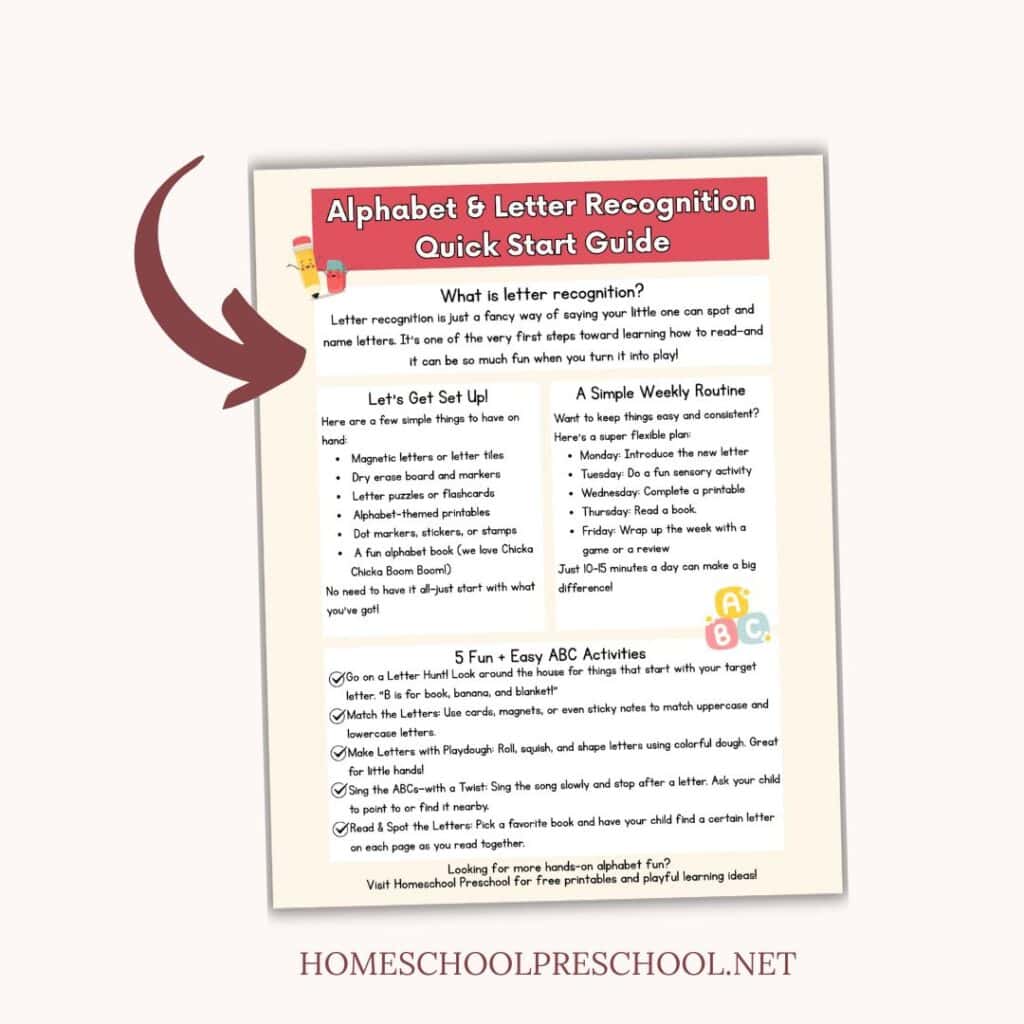
???? Grab your free “Alphabet Quick Start Guide” to jumpstart letter learning at home or in your classroom. You can get it at the bottom of this post!
Hands-On Activities to Teach Letter Recognition
Preschoolers learn best through play, movement, and creative exploration. The more senses they use while learning, the more likely they are to remember what they’ve learned. That’s why hands-on letter recognition activities are so effective—they combine fun with meaningful learning. Let’s look at some easy and engaging ways to introduce the alphabet in your daily routine.
Play-Based Learning Ideas
Learning letters through play helps build confidence and curiosity. Try these simple, low-prep ideas to weave letters into everyday fun:
- Alphabet Scavenger Hunts
Hide foam or paper letters around the house or yard and have your child search for them. As they find each one, say the letter name together and talk about words that start with it. - Alphabet-Themed Sensory Bins
Fill a bin with rice, beans, or sand and bury plastic letters inside. Let your child dig them out and match them to a letter chart or spell their name. - Letter Hopscotch or Bean Bag Toss
Use sidewalk chalk or tape to make a hopscotch grid with letters instead of numbers. Call out a letter and have your child jump to it. Or toss bean bags onto letter targets! - Magnetic Letters on the Fridge
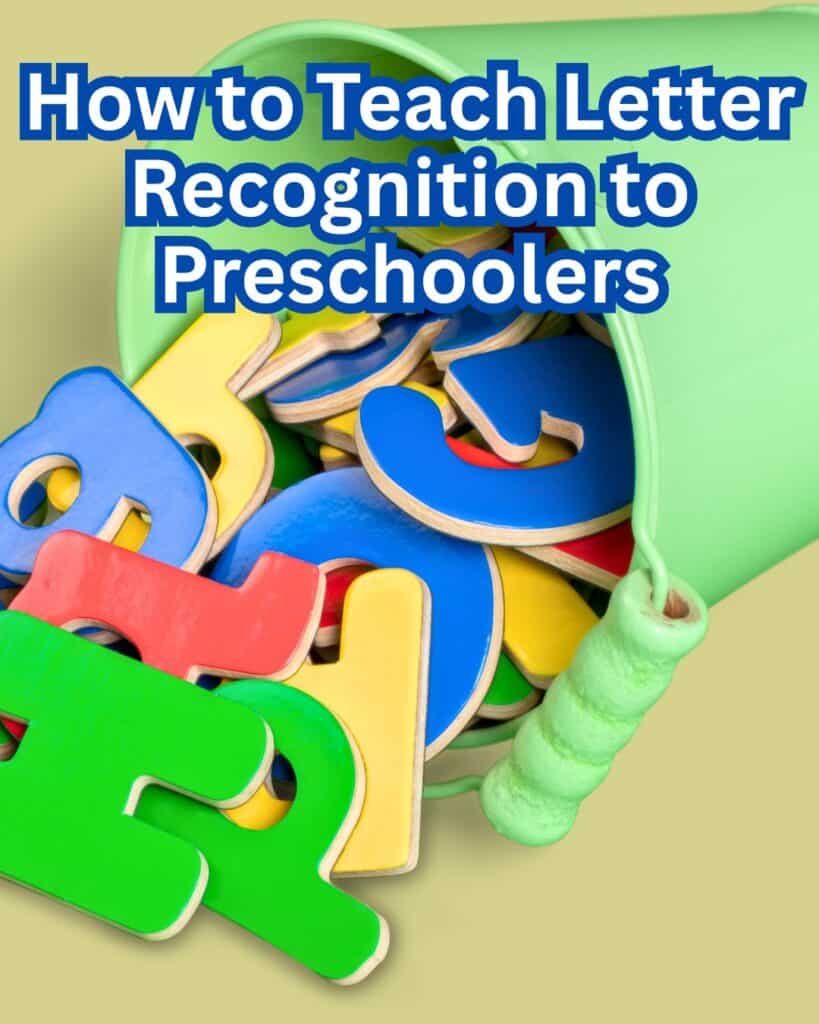
Keep a set of magnetic letters handy on a magnetic surface. Spell simple words, sort by color or shape, or talk about the letters as your child plays.
Arts & Crafts Activities
Creative activities give little hands something to do while their minds are busy learning. Try these artistic ways to teach letters:
- Q-Tip Letter Painting
Print out large bubble letters and have your child dab paint onto the lines using a Q-tip. This builds fine motor skills and reinforces letter shapes. - Salt Tray Writing
Pour a thin layer of salt or sand into a shallow tray. Let your child use their finger to “write” letters. Smooth it out and try again! - Letter Stamping
Use letter stamps and ink pads to spell out names, simple words, or just practice stamping favorite letters on paper. - Letter Collages
Choose one letter and glue it onto a larger piece of paper. Have your child decorate it with stickers, torn paper, or natural items that start with that letter (like leaves for L or buttons for B).
Printable Worksheets & Games
Printables are a wonderful way to add structure and review to your letter learning time. They can also be great for quiet time or center-based learning.
- Letter Tracing Pages
Practice writing letters with traceable dotted-line sheets. These help build confidence and pencil control. You can try our fall letter tracing worksheets. - Alphabet Puzzles
Try alphabet puzzles where kids match uppercase to lowercase letters or fit letters into alphabetical order. - Bingo Dauber Letter Pages
These fun alphabet bingo dauber printables let kids dot letters with colorful bingo daubers—great for reinforcing shape and recognition. - Letter Matching Cards
Create or print matching cards with uppercase and lowercase pairs, or match letters to pictures that start with that sound.
Songs and Movement
Music and movement make learning memorable and engaging. These activities are perfect for wiggly learners who thrive when they’re on the move!
- Alphabet Songs and Fingerplays
Classic songs like the ABCs or “A is for Apple” help children hear and remember letter names. Add motions or gestures to make it interactive. - Letter Dances or Actions
Assign an action to each letter (jump for J, tiptoe for T, etc.) and move through the alphabet together. - “Letter of the Week” Themes
Choose one letter each week and explore it through songs, crafts, books, and snacks. Repetition over a few days helps letters really stick!
These hands-on, play-based ideas make teaching letter recognition feel like a natural part of your preschooler’s day. With a bit of creativity, you can turn everyday moments into joyful learning opportunities!
The Importance of Repetition and Routine
When it comes to learning letters, repetition and routine are your best friends. Preschoolers thrive on predictability, and weaving letter recognition into your everyday moments can make a big difference without adding stress or pressure.
Think about your daily rhythm—there are so many natural opportunities to review letters together:
- Morning routines: Pick a “letter of the day” and look for it on signs, cereal boxes, or clothing tags.
- Snack time: Use letter cookie cutters or serve foods that start with a certain letter.
- Bath time: Stick foam letters to the tub wall and play matching or spelling games.
Hearing, seeing, and playing with the same letters again and again helps children build strong memory connections. Repetition also builds confidence—kids feel proud when they recognize a letter they’ve seen before!
By incorporating letters into daily routines, you’ll help your child absorb and practice what they’re learning in a relaxed, enjoyable way. It doesn’t have to be fancy to be effective—just consistent and fun.
Common Challenges and How to Overcome Them
It’s completely normal for preschoolers to hit a few bumps along the way as they learn letters. Every child learns differently, and many face common struggles that are part of the process. The good news? With patience, creativity, and a little flexibility, you can help your child overcome these challenges and enjoy the journey.
“My child keeps mixing up letters like b, d, p, and q.”
These look-alike letters can be confusing for little learners! Try teaching them slowly, one at a time, with lots of visual and tactile support. Activities like tracing in sand or using playdough to build each letter can help your child feel the shapes and spot the differences.
“They’re frustrated or just not interested.”
Learning should never feel like a chore. If your child seems overwhelmed, take a break and come back to it later with a fresh activity. Make it playful and pressure-free—sing songs, go on a letter hunt, or read an alphabet-themed book together.
“They love numbers or pictures more than letters.”
That’s okay! You can use what they do love to introduce letters in a fun way. For example, if your child enjoys cars, write letters on toy cars and “drive” them to matching parking spots. If they love drawing, create letter art together.
The key is to follow your child’s lead. Learning doesn’t have to happen in a straight line—sometimes the detours are where the real magic happens. Stay encouraging, and remember: progress is still progress, no matter how small.
Recommended Tools and Resources
Having the right tools on hand can make teaching letter recognition smoother, more engaging, and a whole lot more fun—for both you and your preschooler! Whether you’re just getting started or looking to build on what your child already knows, these resources can help bring the alphabet to life.
???? Printable Packs and Alphabet Bundles
Looking for ready-to-go materials? Check out our favorite resources from the shop:
- Printable Alphabet Worksheets Bundle – Packed with tracing pages, cut-and-paste activities, and hands-on letter fun for every letter A–Z.
- Alphabet Bingo Dauber Pack – Let your preschooler build fine motor skills while identifying letters with colorful dot marker pages.
???? Favorite Alphabet Books
Reading alphabet books together is a great way to naturally reinforce letter recognition. A few preschooler-approved favorites include:
- Chicka Chicka Boom Boom by Bill Martin Jr. and John Archambault
- Eating the Alphabet by Lois Ehlert
- Dr. Seuss’s ABC
???? Hands-On Games and Puzzles
- Wooden Alphabet Puzzles – Great for matching upper and lowercase letters.
- Magnetic Letter Sets – Ideal for fridge play or sorting games.
- Alphabet Matching Cards – Use them for memory games, letter hunts, or pocket chart activities.
???? Helpful Apps (if using screen time intentionally)
- Starfall ABCs – Gentle, educational, and interactive
- Endless Alphabet – Engaging animations and vocabulary building
- ABCmouse Letter Games – Well-structured and age-appropriate
FAQs About Teaching Letter Recognition
Start with uppercase—it’s easier visually and used in names.
Just 1–2 at a time. Focus on mastery before moving on.
Make it part of play! Use their favorite characters, toys, or snacks.
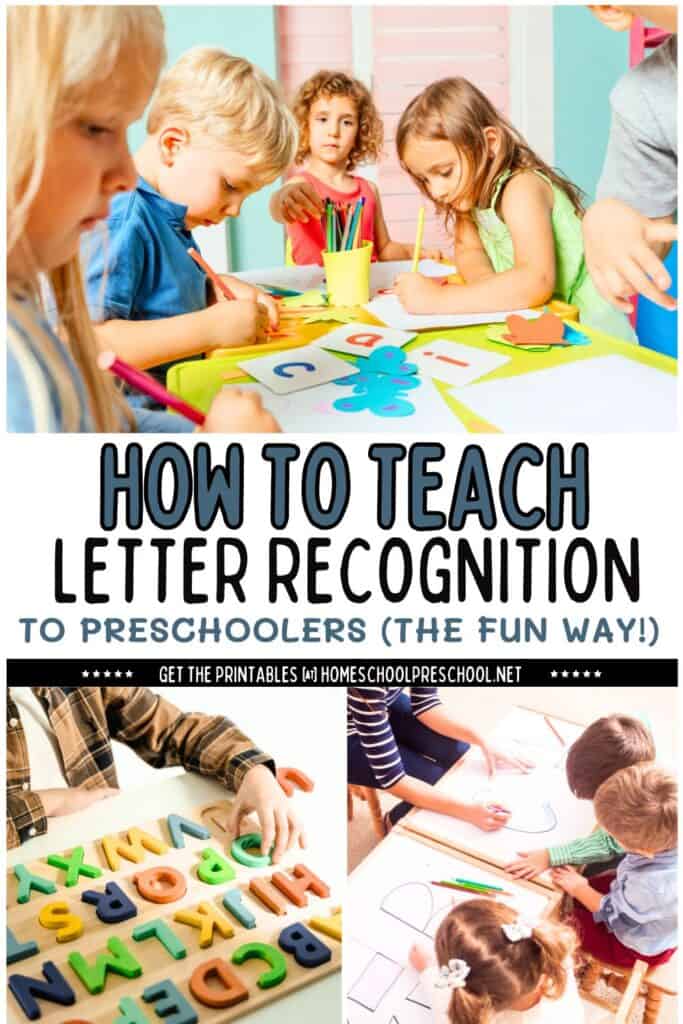
Teaching letter recognition to preschoolers doesn’t have to be complicated—it just needs to be consistent, playful, and filled with love. By using hands-on activities, following your child’s interests, and making learning part of your daily routine, you’re building more than just alphabet knowledge—you’re building confidence and a joyful foundation for reading.
Remember, every child learns at their own pace. Some may master letters quickly, while others take their time. That’s perfectly okay! With your gentle guidance and a warm, encouraging atmosphere, your little one will grow into a proud and curious learner.
If you’re ready to get started, be sure to check out the printable resources, book ideas, and free printables linked above. And don’t forget—you’re doing an amazing job. Learning the alphabet is a big milestone, and your support makes all the difference. Keep it fun, keep it light, and celebrate every letter learned along the way!


Tara is the brains behind Homeschool Preschool, where her journey from preschool and public school teacher to homeschooling mom of three fuels her passion for early childhood education. With a blend of expertise and firsthand experience, Tara’s writings offer practical tips and engaging resources to support families in creating meaningful learning adventures at home.