Leaf Science Activities for Preschoolers
The natural world is a wonderful playground for young, curious minds, and leaves are an excellent starting point for introducing basic scientific concepts in a fun and engaging way.
Leaves, with their vibrant colors, intricate patterns, and unique shapes, provide endless opportunities for hands-on exploration and discovery. By incorporating leaf science activities for preschoolers into your fall curriculum, you can inspire a sense of wonder and ignite a lifelong love for nature and science.
Whether you are an educator, a parent, or someone who simply enjoys spending time with little ones, these preschool leaf theme activities will offer a blend of creative play, sensory experiences, and scientific observations.
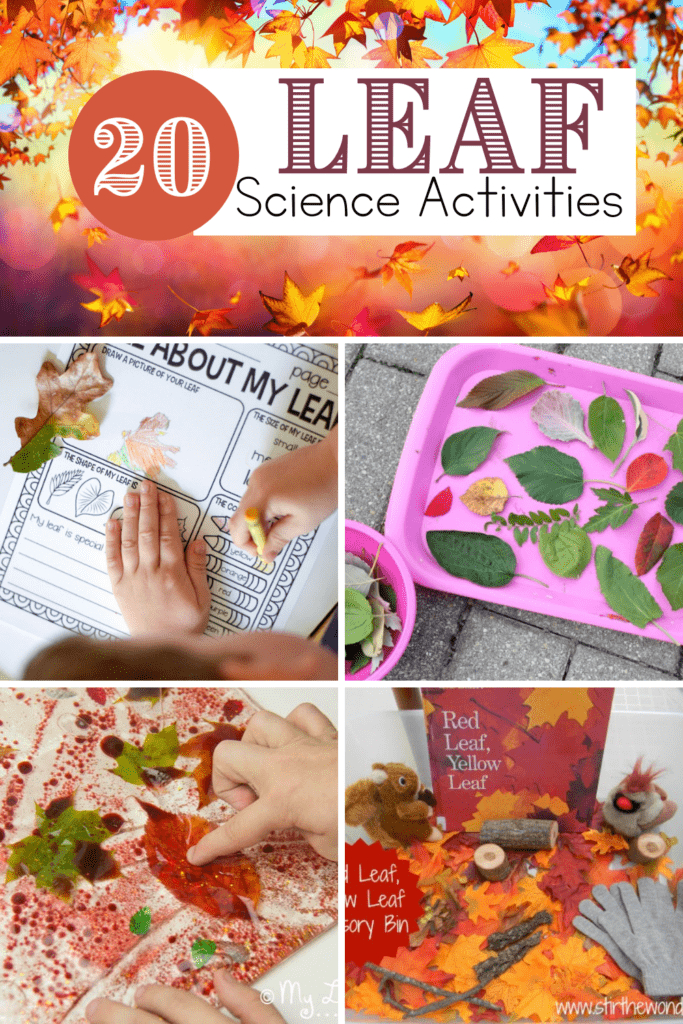
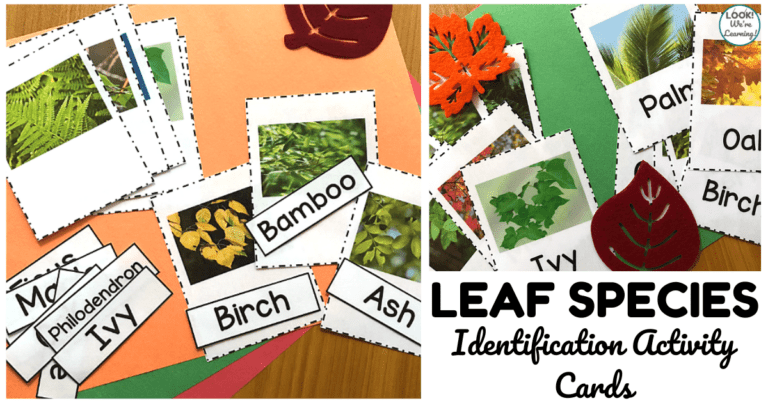
From leaf rubbings to leaf identification games, each activity encourages children to use their senses, observe closely, and make connections between the natural world and scientific principles.
These activities will not only enhance their cognitive and motor skills but also foster an appreciation for the environment around them.
So, let’s dive into the fascinating world of leaves and embark on a journey of exploration and scientific inquiry with our curious preschoolers!
Get ready to engage, learn, and have fun as we uncover the secrets hidden within these beautiful gifts of nature.


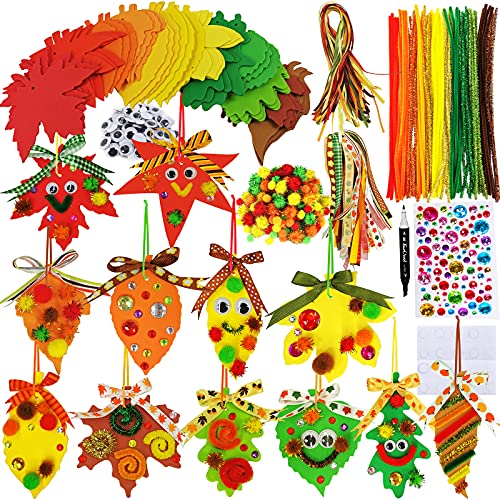

The Importance of Leaf Science for Preschoolers
Introducing preschoolers to the wonders of leaf science can have a profound impact on their development and understanding of the natural world. At this age, children are naturally curious and eager to explore their surroundings.
By incorporating leaf science activities into their learning experiences, we can nurture their innate sense of wonder and help them develop a strong foundation in scientific inquiry.
Hands-On Learning and Exploration
Engaging in leaf science activities allows preschoolers to engage in hands-on learning experiences. They can touch, feel, and examine leaves of different shapes, sizes, and textures. Through these sensory experiences, children develop fine motor skills and enhance their ability to make detailed observations.
Stimulating Curiosity and Observational Skills
Leaf science activities encourage preschoolers to closely observe and compare the characteristics of leaves. They can explore the various colors, patterns, and veins on leaves, stimulating their curiosity and fostering their observational skills. This helps them develop a keen eye for detail and enhances their ability to notice small differences and similarities in the natural world.
Introduction to Basic Scientific Concepts
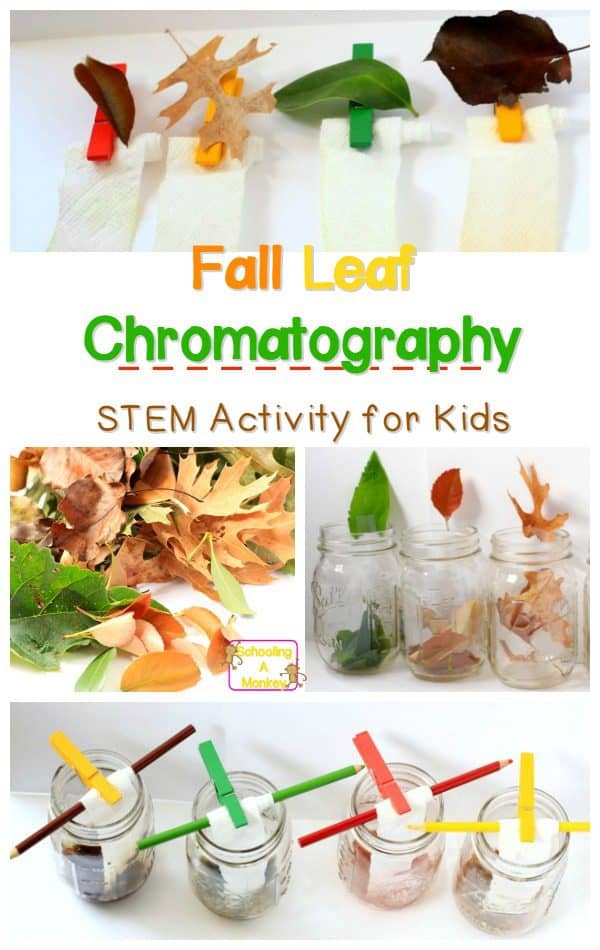
Leaf science activities provide an excellent opportunity to introduce basic scientific concepts to preschoolers. They can learn about photosynthesis, exploring how leaves absorb sunlight and convert it into energy.
Additionally, they can discover the role of leaves in the life cycle of plants, from providing food to aiding in reproduction. These activities lay the groundwork for future learning in biology and environmental science.
Connecting with Nature and Building Environmental Awareness
Engaging with leaves and other elements of nature allows preschoolers to develop a deep connection with the environment. By exploring the diversity of leaves, children begin to appreciate the beauty and importance of nature.
This early exposure to environmental awareness fosters a sense of responsibility towards the planet and lays the foundation for future conservation efforts.
Sparking Creativity and Imagination
Leaf science activities also offer opportunities for creativity and imagination. Preschoolers can use leaves as inspiration for artwork, storytelling, and pretend play.
They can create leaf collages, make leaf prints, or even transform leaves into characters during dramatic play. By merging science with creativity, we ignite their imagination and encourage them to think outside the box.
Cultivating a Lifelong Love for Science
Engaging in leaf science activities at a young age can spark a lifelong love for science in preschoolers. By making science fun, interactive, and accessible, we help them develop a positive attitude towards scientific exploration.
These early experiences may inspire future scientists, botanists, or environmentalists who are passionate about understanding and protecting our natural world.







Tara is the brains behind Homeschool Preschool, where her journey from preschool and public school teacher to homeschooling mom of three fuels her passion for early childhood education. With a blend of expertise and firsthand experience, Tara’s writings offer practical tips and engaging resources to support families in creating meaningful learning adventures at home.