Looking for fun and engaging ocean science experiments to spark curiosity in your young learners? You’re in the right place! Whether you’re a parent planning hands-on activities at home or a teacher prepping for a preschool ocean theme, this collection is packed with playful, easy-to-do experiments that bring the wonders of the sea to life.
From colorful “ocean in a bottle” projects to fascinating demonstrations of saltwater and waves, these activities introduce basic science concepts in a way that little ones can touch, see, and explore. Best of all, they use simple materials you likely already have on hand.
So roll up those sleeves, gather your supplies, and get ready to dive into learning! These ocean-themed science ideas are sure to make a splash with preschoolers while building early STEM skills and a lifelong love of discovery.
How do I know if an experiment is age appropriate for preschoolers?
When selecting an ocean science experiment for preschoolers, opt for simple, safe, and hands-on activities. Look for activities with just a few easy-to-follow steps and materials that are non-toxic and child-friendly. Avoid anything involving harsh chemicals, heat, or small parts that could pose a safety risk.
Preschoolers learn best through play and exploration, so choose experiments that invite curiosity and allow room for sensory engagement. Most importantly, provide plenty of guidance and supervision — explain what’s happening in age-appropriate language and encourage your little scientists to ask questions and make observations.
An excellent experiment for this age group sparks joy, builds foundational STEM skills, and allows kids to explore the world around them.
Ocean Science Experiments
Doing simple science experiments with preschoolers can be a great way to introduce them to the fascinating world of ocean science. With some guidance and the right supplies, these little ones can explore the wonders of our oceans.
From observing sea creatures up close to exploring how waves work, plenty of fun activities will help young minds better understand this fantastic environment.
www.messylittlemonster.com
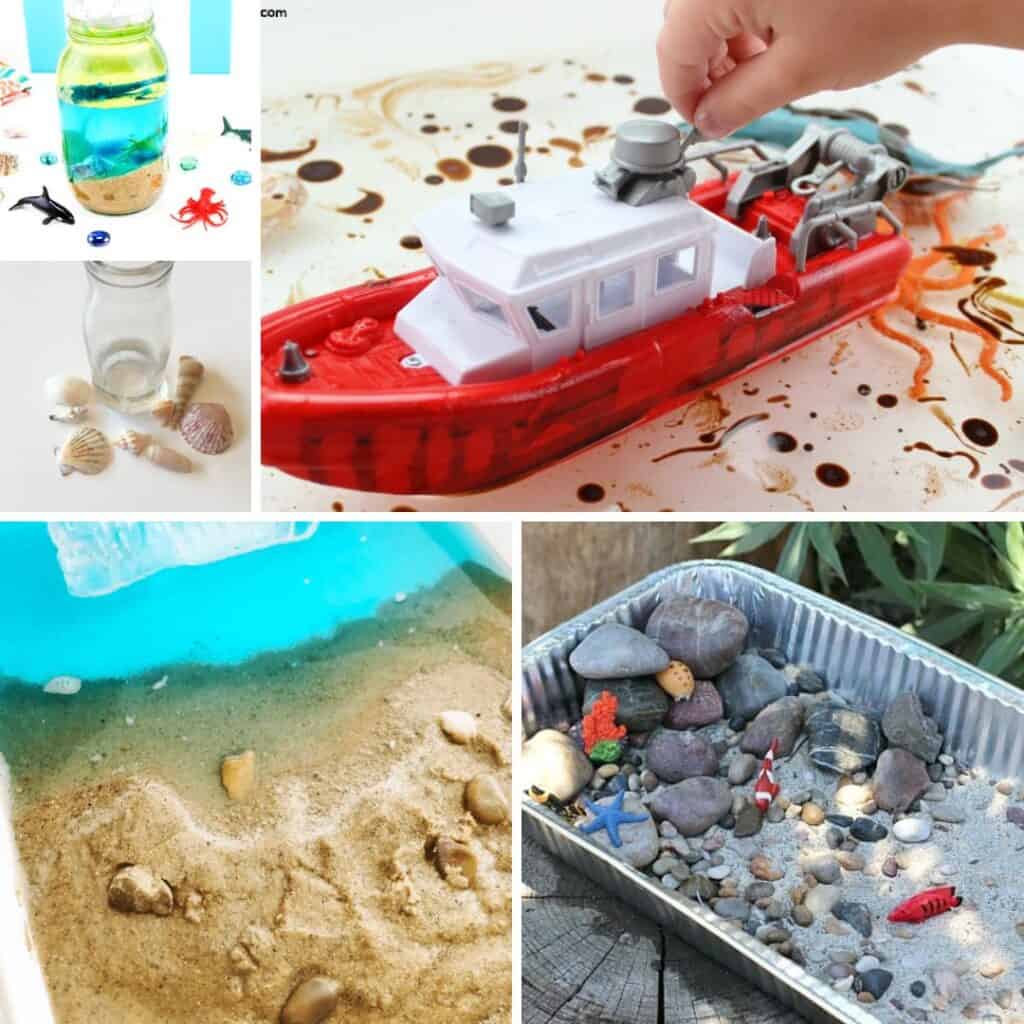
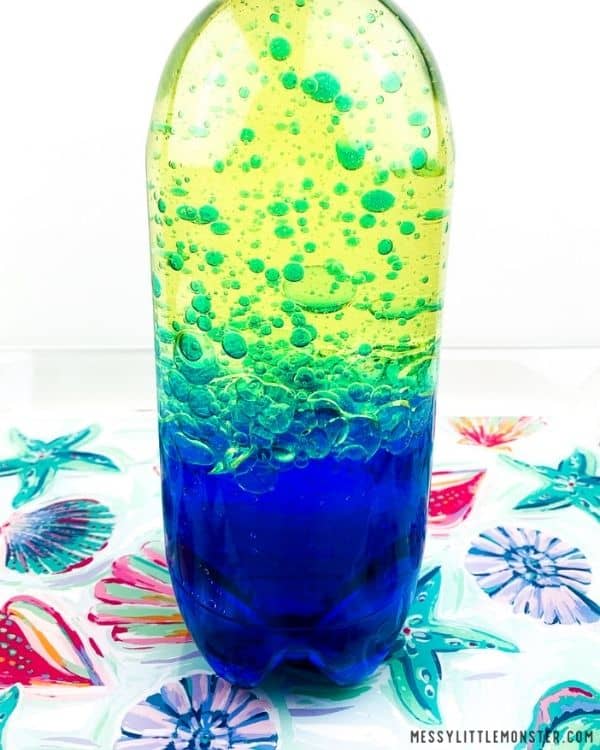
Ocean in a Bottle
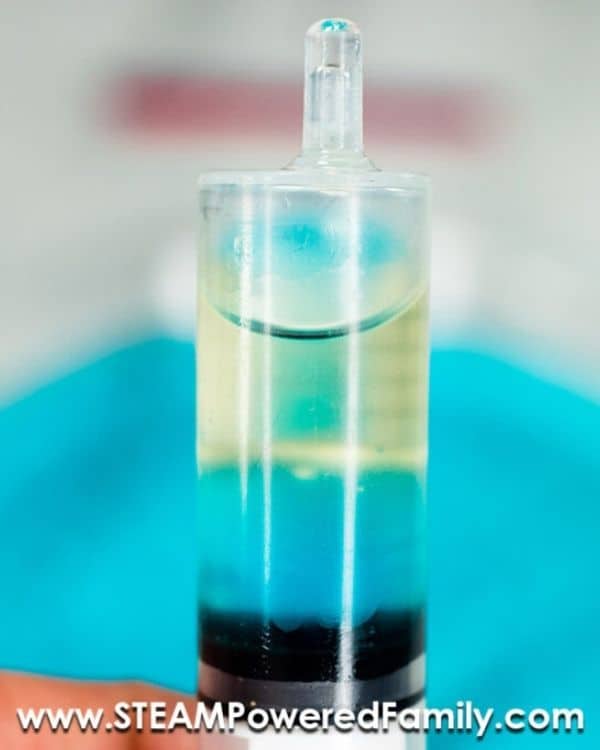
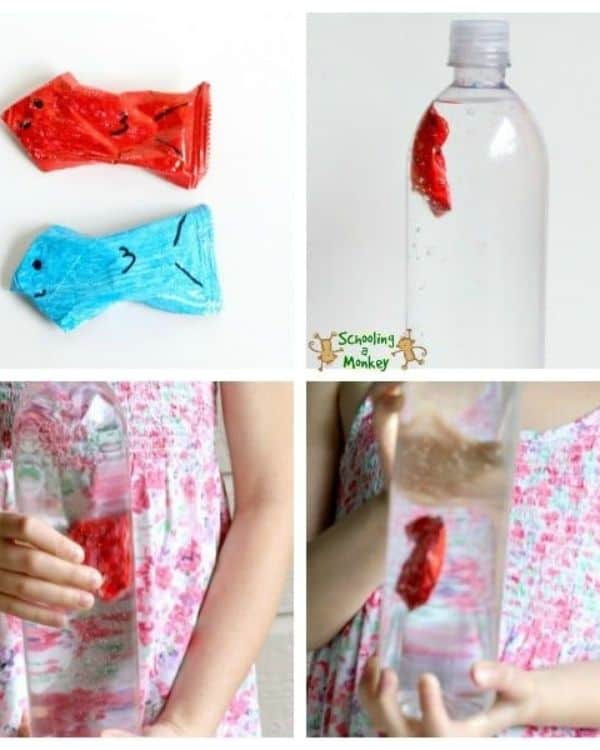
Watch water and oil separate in this soothing ocean-in-a-bottle experiment — a fun way to explore density with just a few household materials.
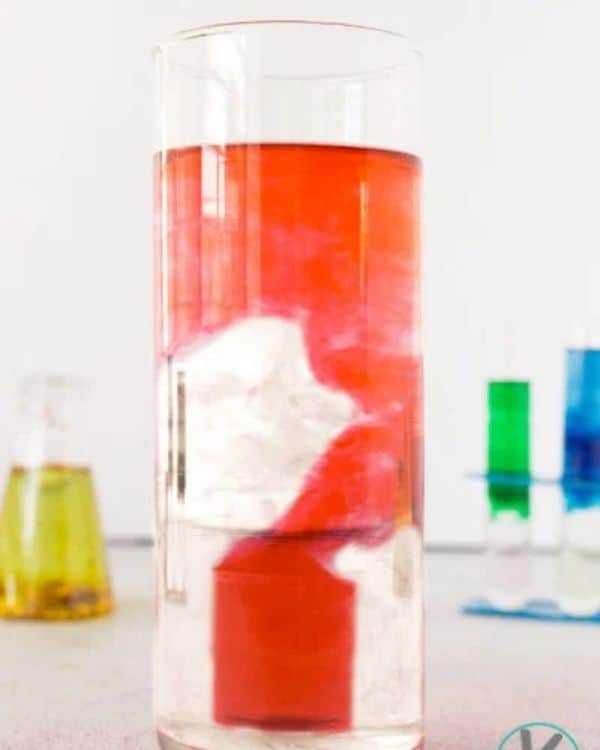
Demonstrate how ocean currents work using warm and cold water in this simple visual experiment — a great intro to temperature and movement in the ocean.
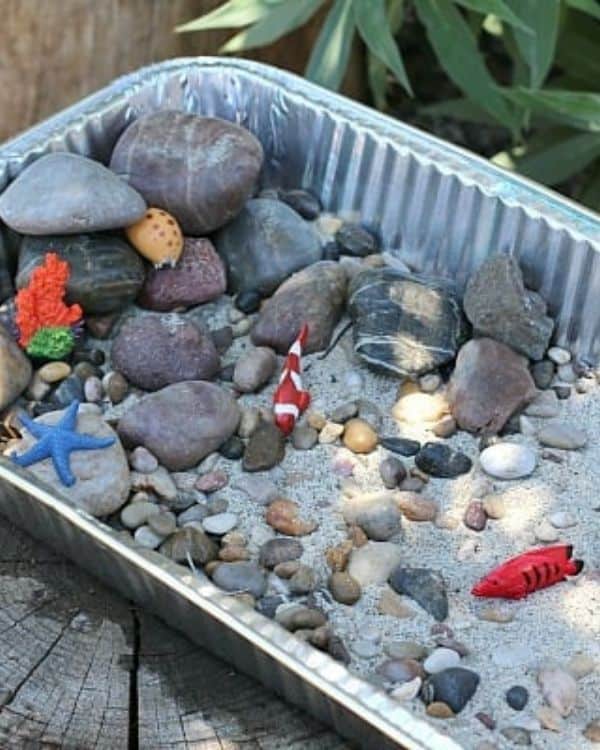
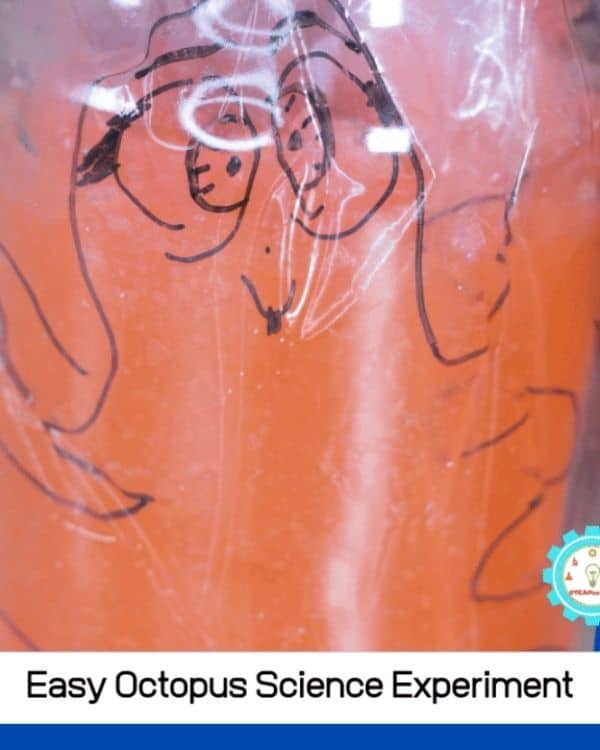
Explore how tide pools work with this hands-on experiment using rocks, water, and sea creatures — a fun way to introduce ocean habitats and water movement.
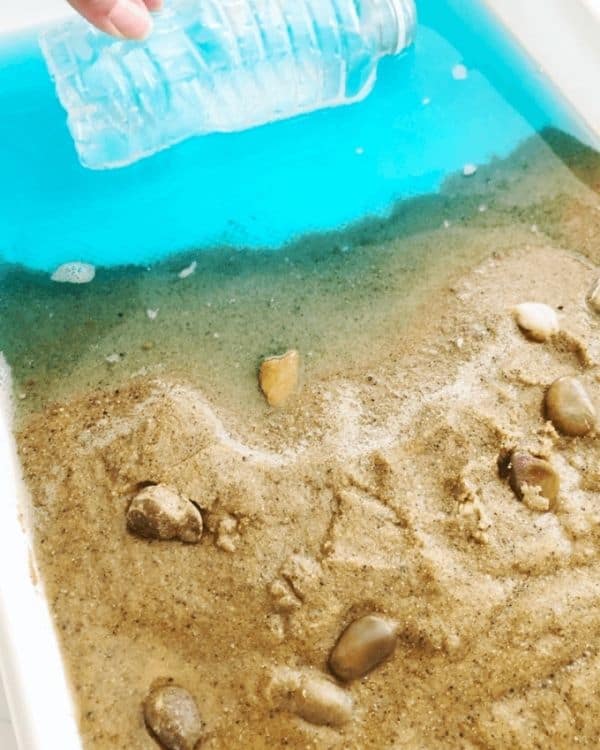
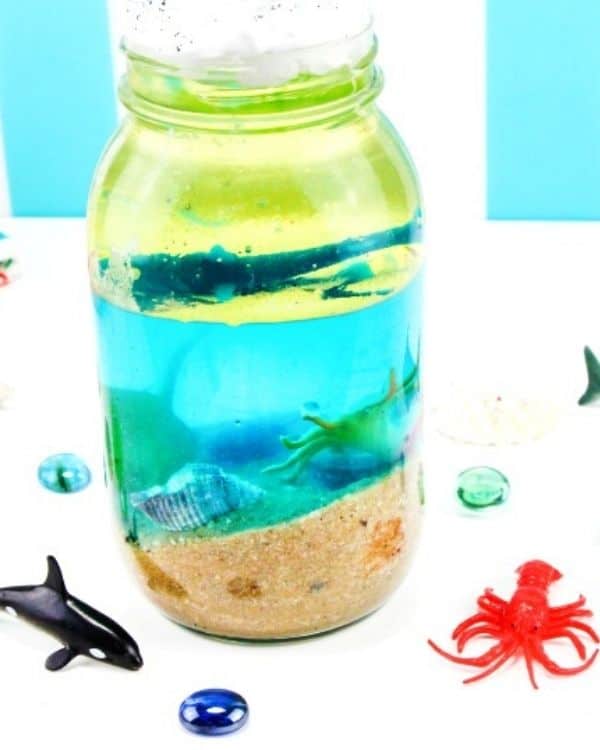
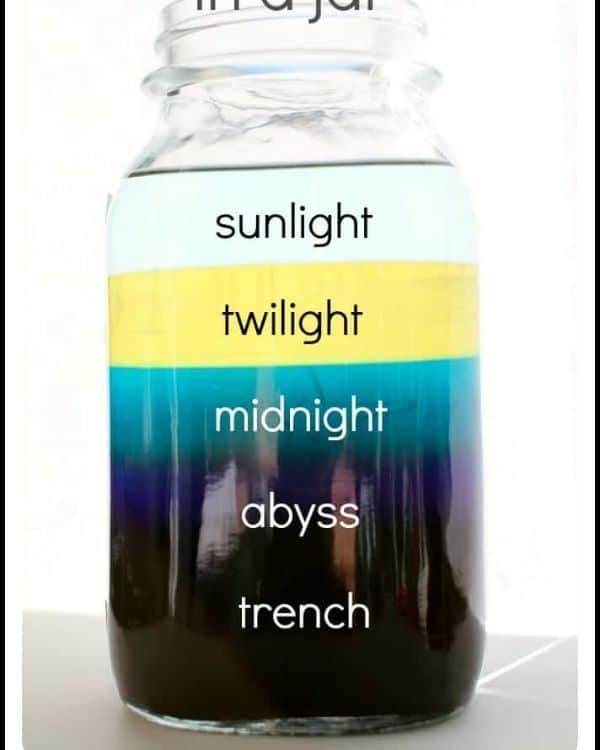
Build a layered ocean density jar using sand, colored water, oil, and shaving cream to explore how different materials represent the ocean floor, water, sky, and clouds — a fun way to visualize density and ocean layers.
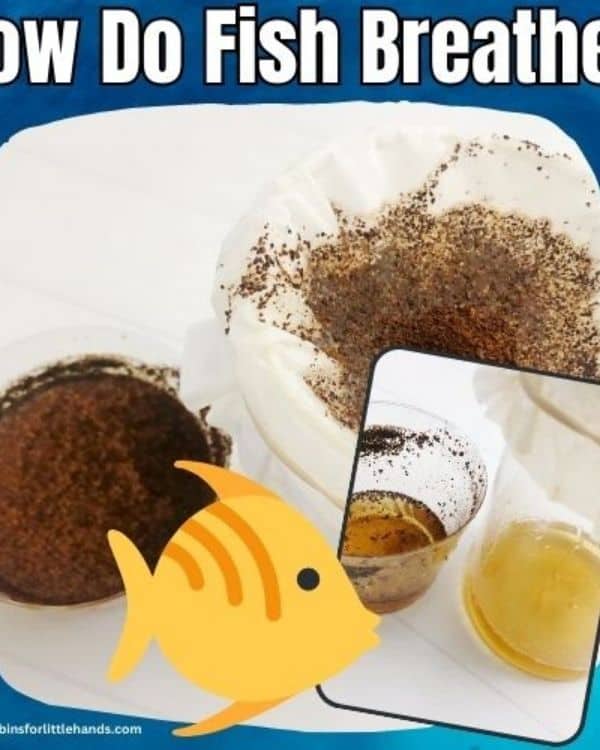
Explore the effects of water pollution with this eye-opening activity using dirty water — a powerful way to introduce environmental science to preschoolers.
Ocean-Themed Skittles Candy Science Experiment for Summer
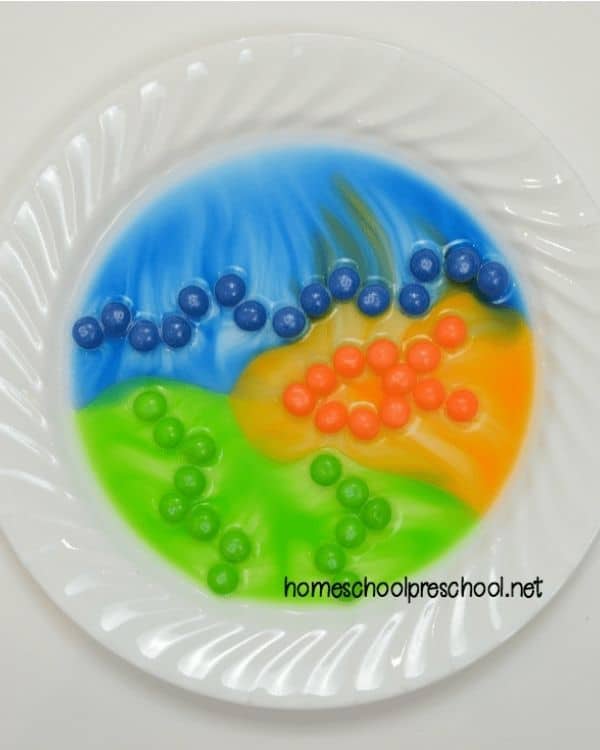
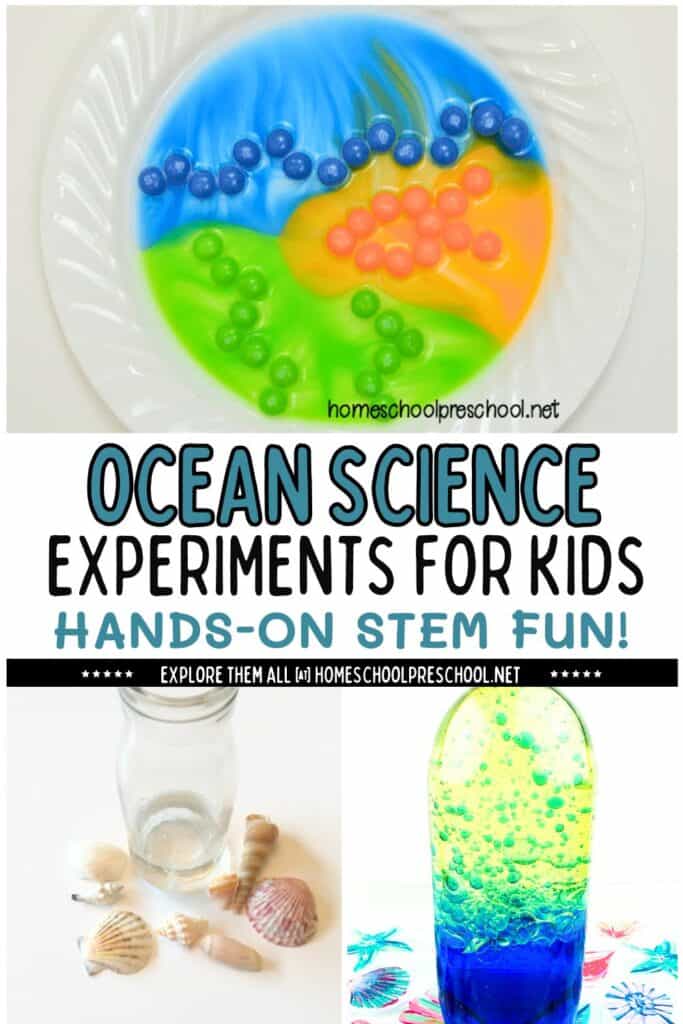
Create a swirling sea of color with this Skittles science experiment — an easy, eye-catching way to explore color mixing and dissolving solids in water
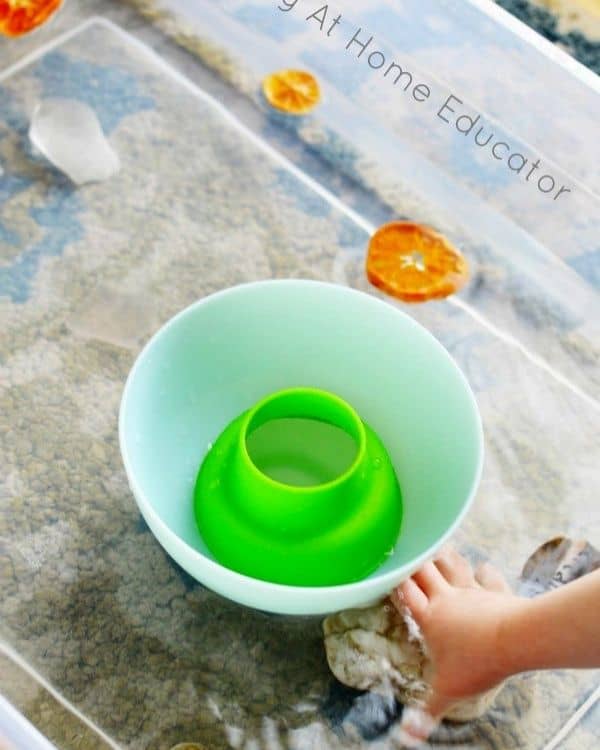
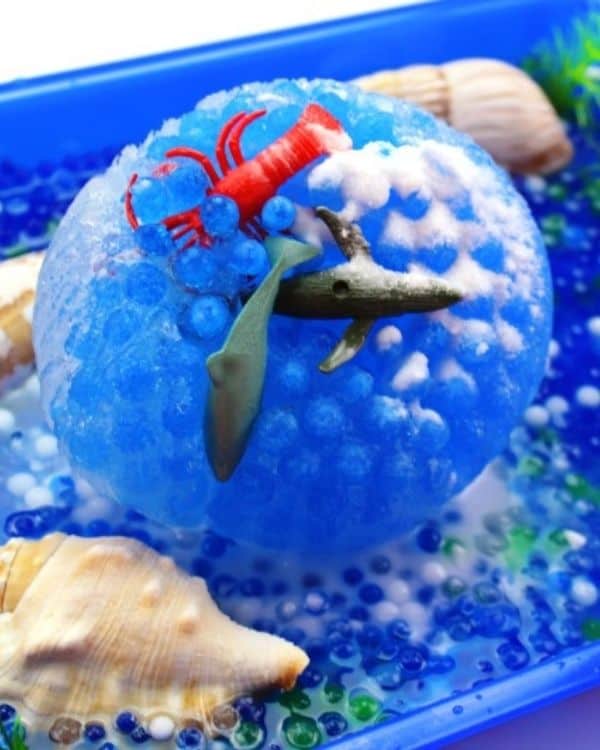
Explore the arctic side of ocean life with this frozen ocean sensory bin — a chilly, hands-on way for preschoolers to discover ice melting and ocean animals.
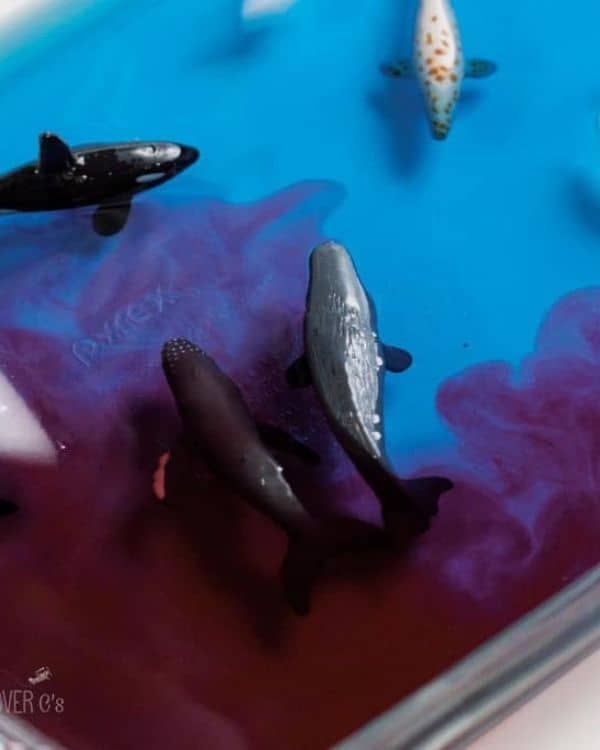
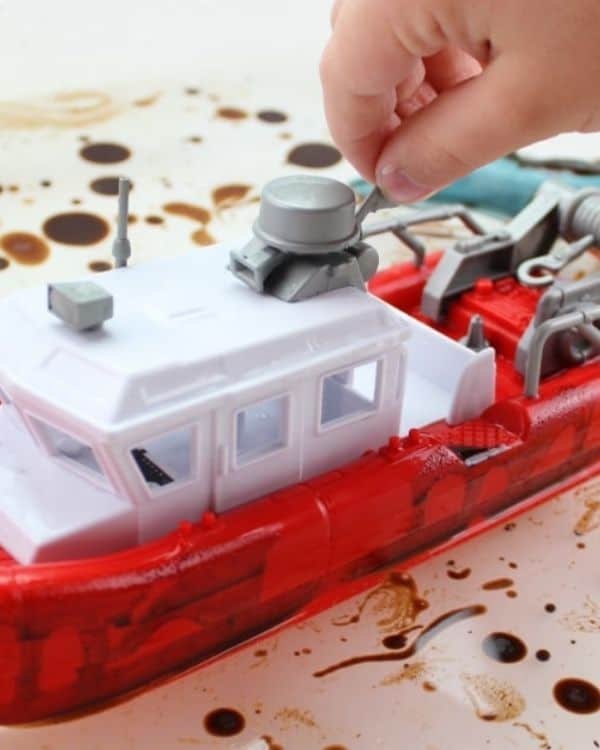
Clean up a pretend polluted ocean using toy animals and debris — a powerful, hands-on way to teach preschoolers about ocean pollution and care for the environment.
These activities are designed for preschoolers ages 3–5, with adult supervision. Many can also be adapted for toddlers or early elementary school kids.
What if I don’t have all the materials?
Most experiments use simple items, such as water, oil, or salt. Feel free to substitute where needed or skip steps that require hard-to-find supplies.
How do I explain science to young kids?
Keep it simple and hands-on! Use clear language like “sink or float” or “warm water moves faster” — focus on what they can see and touch.
Wrapping Up Your Ocean Science Adventure
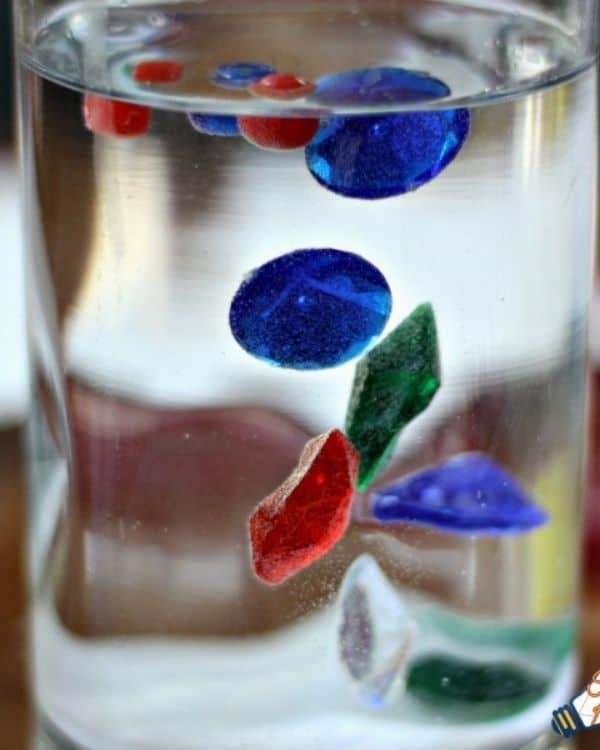
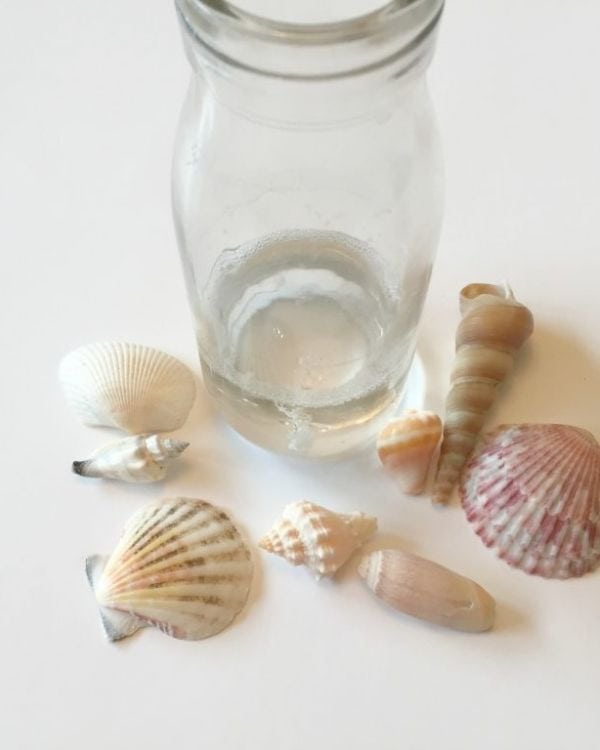
Exploring the ocean through hands-on science is a fantastic way to spark curiosity, build foundational STEM skills, and make learning fun for preschoolers. Whether you’re observing sinking seashells, cleaning up pretend oil spills, or creating a swirling ocean in a bottle, each activity invites your little learners to ask questions, make predictions, and discover something new.
We hope these ocean science experiments bring waves of excitement to your home or classroom. Don’t forget to follow your child’s lead — the best learning often starts with a splash of curiosity and a little bit of mess!
Tara is the brains behind Homeschool Preschool, where her journey from preschool and public school teacher to homeschooling mom of three fuels her passion for early childhood education. With a blend of expertise and firsthand experience, Tara’s writings offer practical tips and engaging resources to support families in creating meaningful learning adventures at home.