The Watermelon Seed Activities
If you’re reading The Watermelon Seed with your preschoolers this summer, help them practice math and literacy skills with these free The Watermelon Seed activities.
These free book activities for preschoolers are perfect for bringing this adorable story to life for your little ones. They’ll love these worksheets that focus on counting, writing, and more. And, they’re a great way to get your kids excited about learning.
These print and go worksheets are designed for preschoolers, but they can also be used with kindergarteners. They pair nicely with any story about watermelon!
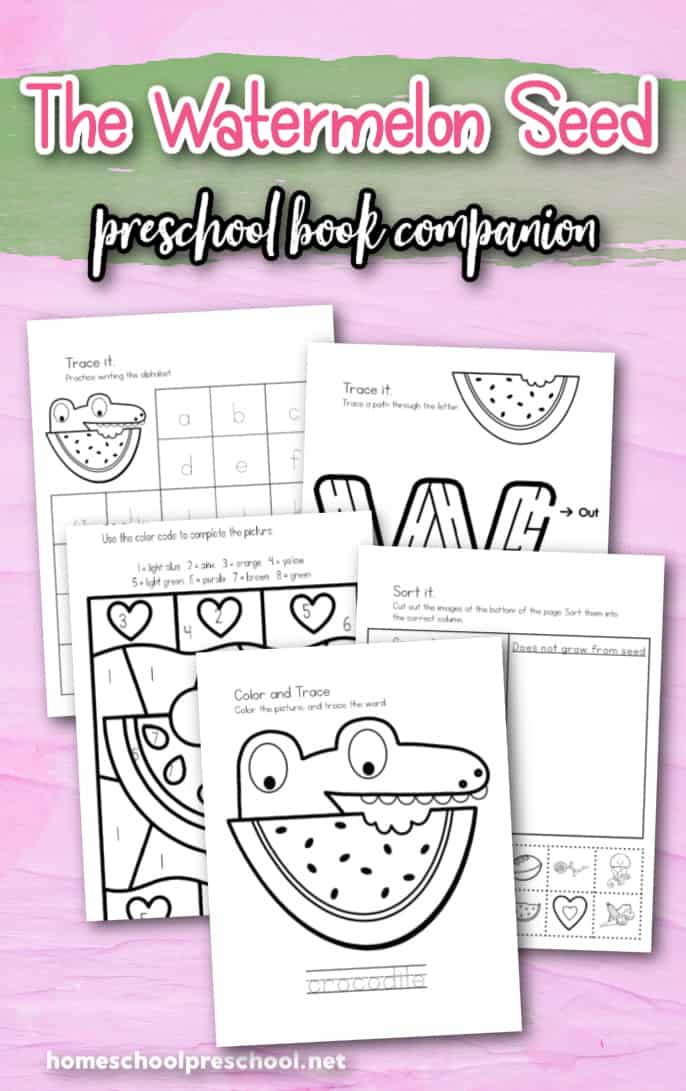
Finally, a preschool resource that requires no preparation time! These free preschool printables are perfect for use in the classroom or at home with your kids.
This 10-page printable is the perfect activity for preschool and kindergarten students, but it can be used with slightly older kids who are looking to do something extra while they listen.
The Watermelon Seed by Greg Pizzoli
In The Watermelon Seed, Greg Pizzoli is a humorous children’s picture book featuring a crocodile who loves watermelon. The story takes a silly turn when the crocodile accidentally swallows a seed and becomes worried about growing a watermelon in his belly.
The book uses simple text, expressive illustrations, and comedic timing to engage young readers. It addresses childhood fears in a lighthearted way and encourages imagination and laughter.
It’s especially popular for preschool read-alouds due to its bright visuals, repetitive phrases, and relatable emotions.
The Watermelon Seed Read Aloud
If you don’t have a copy of the book in your home or classroom library, you can show the read-aloud video for “The Watermelon Seed” to your students before beginning the activities in this pack.
The Watermelon Seed Activities
Science: Teach preschoolers about the life cycle of a watermelon. Watermelons start as tiny seeds. With sun, water, and a little TLC, those seeds grow into vines that produce enormous, beautiful melons. Once the melons are ripe, it’s time to harvest them.
Preschoolers will love learning about where their food comes from, and they’ll be excited to try a slice of watermelon at snack time.
This is a great time to teach the life cycle of a watermelon!
Literacy: Compound words are two or more words that have been joined together to form a new word. For example, the combination of the words “water” and “melon” forms the word “watermelon.”
By learning about compound words, children can begin to see that words are composed of smaller units, which will help them when they start to learn to read and spell.
So next time you’re reading with your preschooler, take a moment to point out some of the compound words in the book. It’s a fun way to help your child develop literacy skills that will last a lifetime.
Math: Practice counting watermelon seeds. Buy a small watermelon. Have your child count the seeds in his slice of watermelon or the entire fruit.
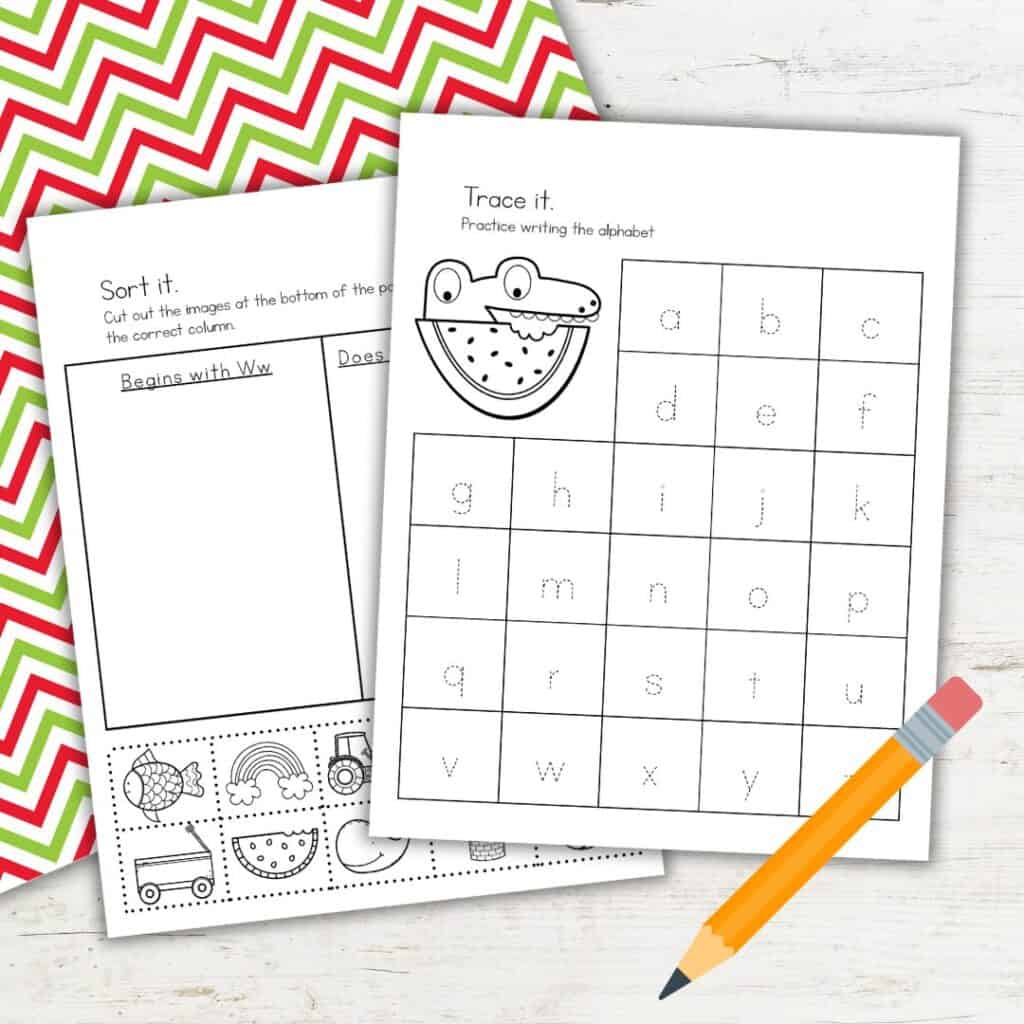
The Watermelon Seed Book Buddy
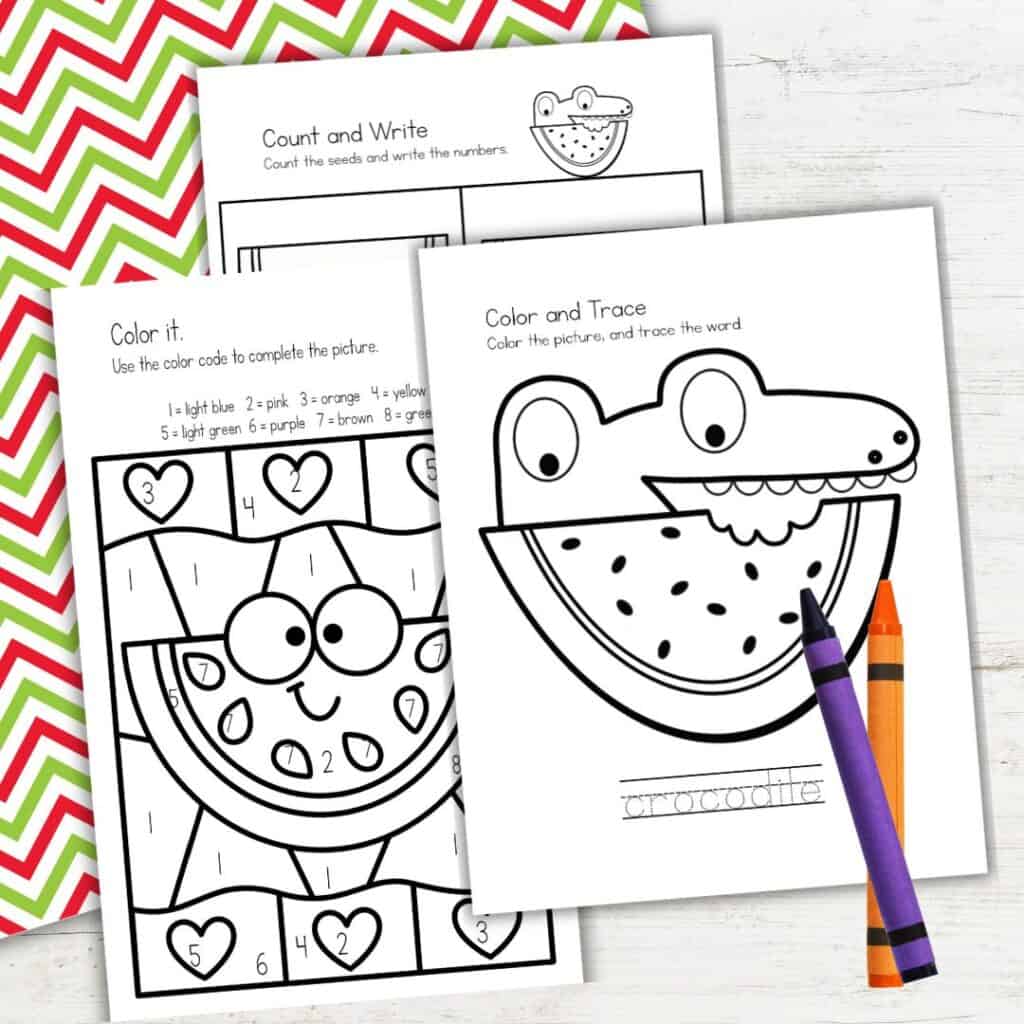
Students ages 3-6 will love diving into this story. These print-and-go worksheets will help you extend the learning.
• Color and Trace: Color the picture and trace the word. There are two of these pages included in the packet.
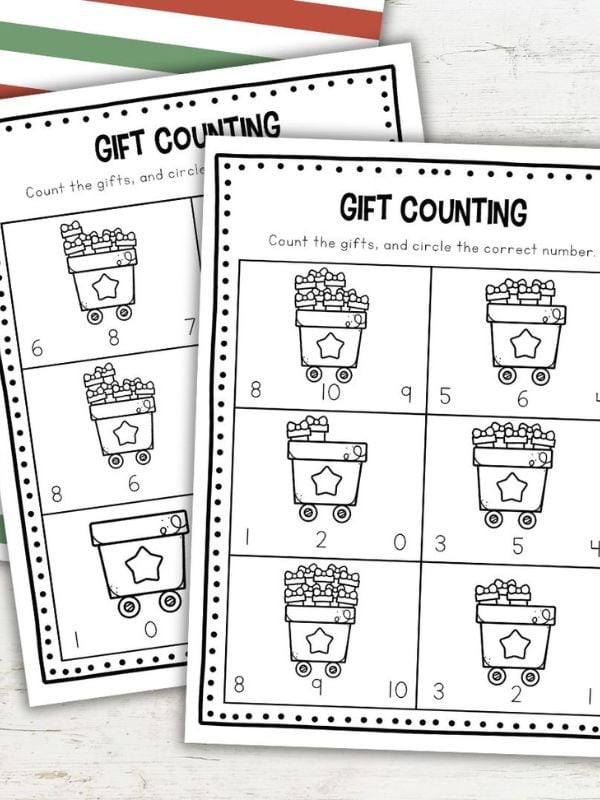
• Count and Write: Count the objects in each set. Then, write the numbers on the line.
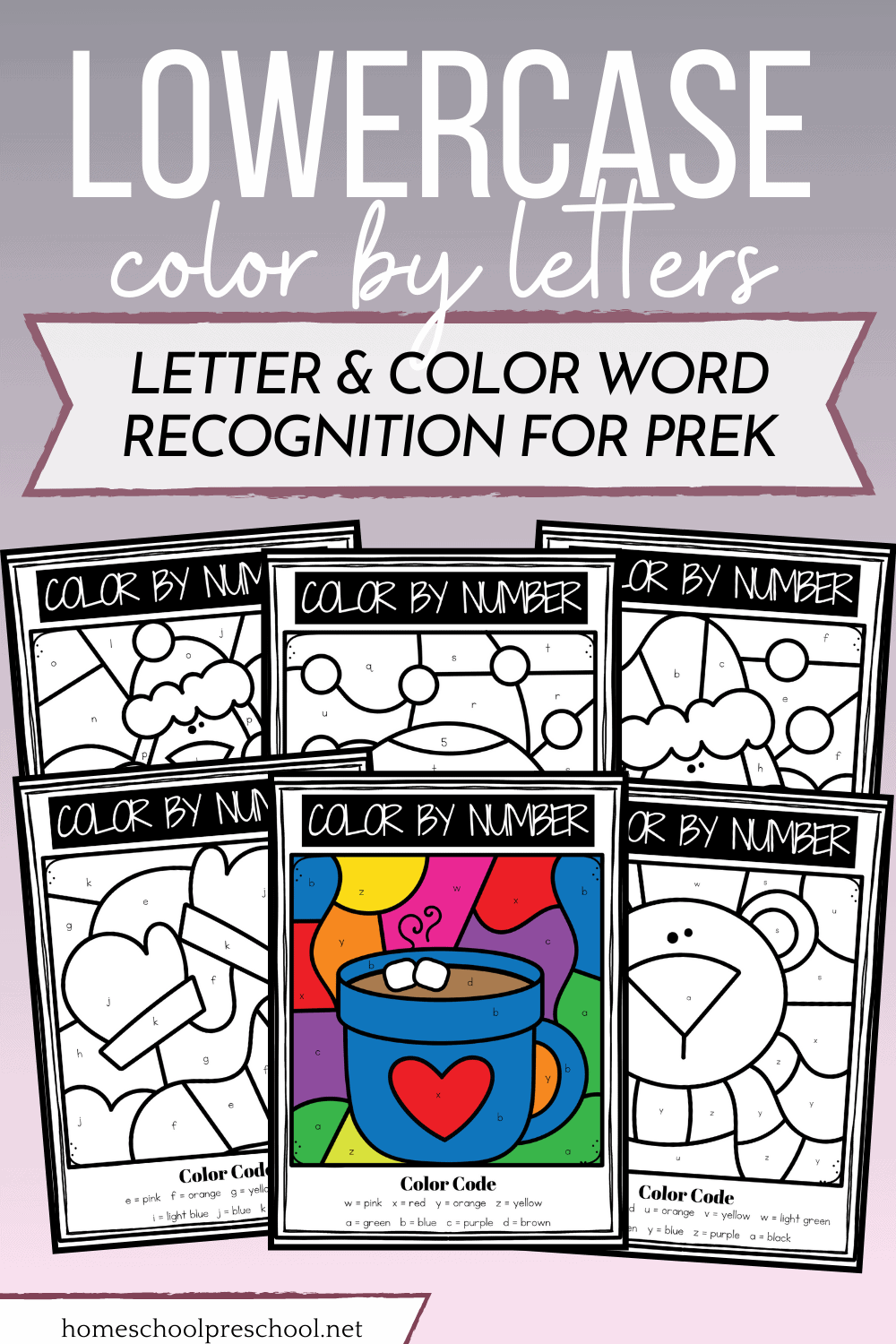
• Color by Number: Use the color code to complete the picture.
• Tracing Practice: Color the picture, and trace it on the dotted line. Then, practice tracing the letters of the alphabet.
• Scissor Practice: Color the picture, and cut it out on the dotted line.
• Sorting: Cut out the images and paste them into the correct column. Sort what grows from a seed and what doesn’t. Sort what starts with W and what doesn’t.
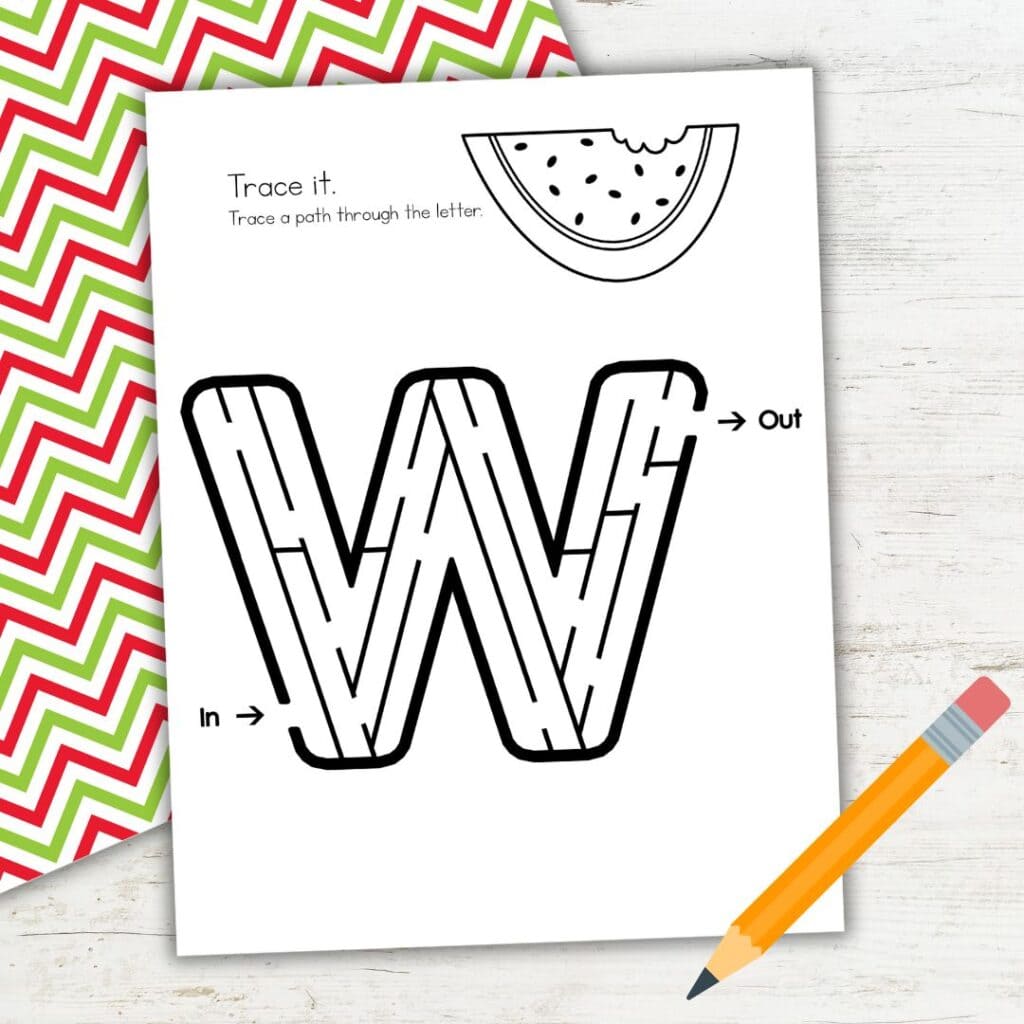
• Letter Maze: Trace a path through the letter W.
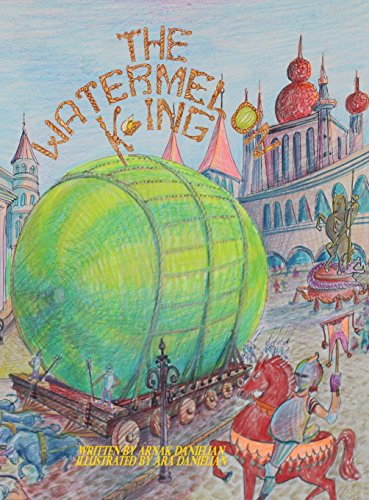
Watermelon Books for Preschoolers
One of the best things about watermelon is that it is such a refreshing and healthy treat. And what could be more refreshing than a juicy watermelon on a hot summer day?
However, did you know that watermelons can also make an excellent topic for books for preschoolers? That’s right, there are numerous watermelon-themed books available that are perfect for young children.
These books typically feature colorful illustrations and simple text that is easy for kids to follow. And best of all, they usually contain some sort of message about the importance of eating healthy fruits and vegetables.
So if you’re looking for a fun and healthy way to entertain your little ones this summer, be sure to check out some of these great watermelon books! Click on the book cover to learn more about each one.


Watermelon Activities for Preschool
If your kids enjoy this watermelon-themed activity pack, be sure to check out the activities below. They’ll make the perfect addition to your summer lessons.
- paper plate watermelon craft
- watermelon alphabet sensory bin
- watermelon printable
- exploding watermelon science experiment
- free printable watermelon rhyming words
Teaching Resources
Have fun with a sweet and juicy summer treat! This watermelon sensory set comes with brightly colored rice and black bean “seeds”. Practice fine motor skills with the scoop and tongs, and enjoy BONUS activities!
This watermelon peg doll is sure to elicit hours of imaginative play!
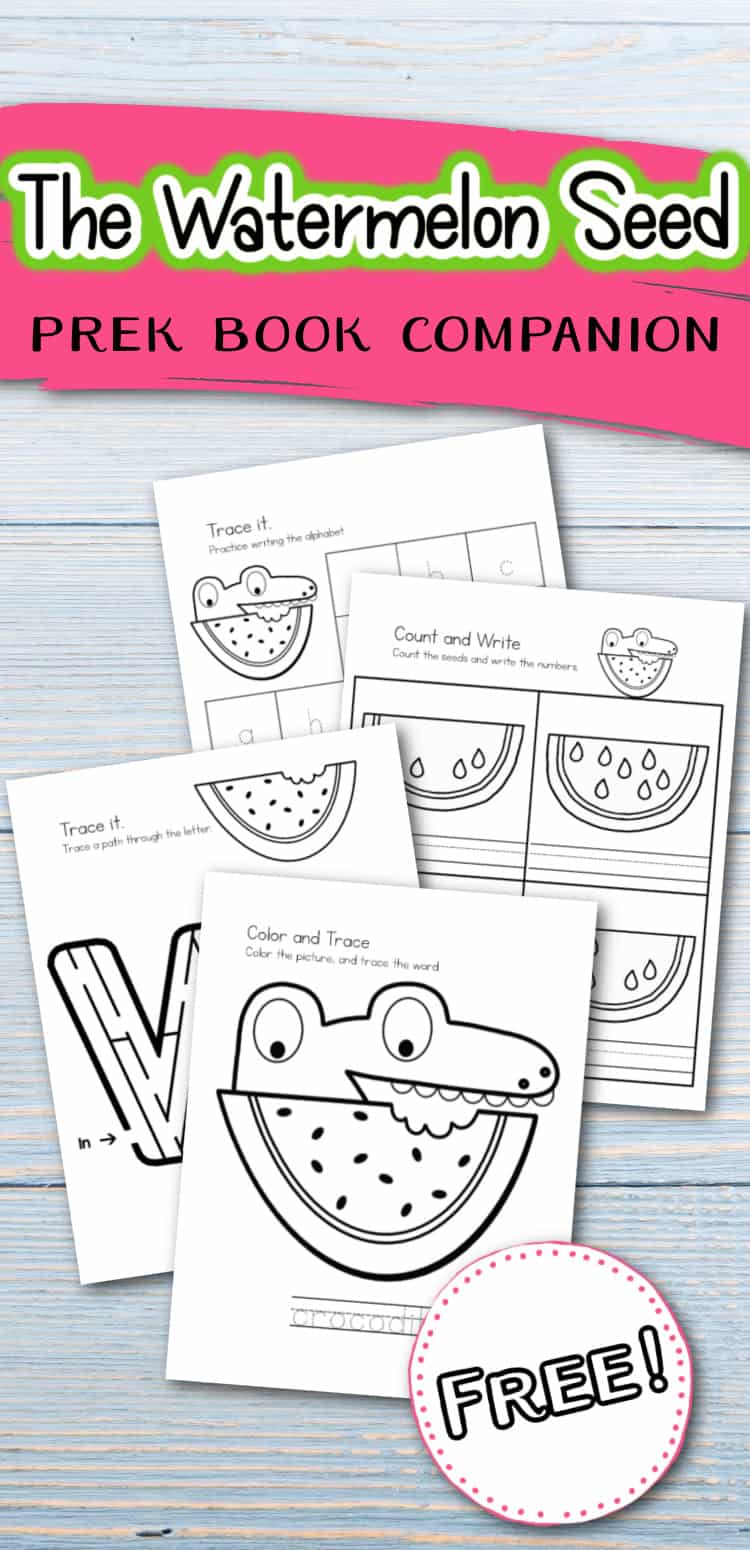
This The Watermelon Seed book companion is a fun and interactive way to help children practice reading, writing, and basic math skills.
With its bright illustrations and engaging activities, this picture book is sure to keep young readers entertained while they learn.
Parents who are looking for an enjoyable read for their children should consider adding The Watermelon Seed to their library.


Tara is the brains behind Homeschool Preschool, where her journey from preschool and public school teacher to homeschooling mom of three fuels her passion for early childhood education. With a blend of expertise and firsthand experience, Tara’s writings offer practical tips and engaging resources to support families in creating meaningful learning adventures at home.

This will go perfect with the book Fruit by Pierre-MarieValat which talks about different fruits and their characteristics. My 3-year old grandson likes the read this book and talk about the different kinds of fruit – their seeds, their skin, and their colors. Thanks!