10 Fun Ways to Teach Sequencing to Preschoolers
Wondering how to teach sequencing to preschoolers in a way that sticks? Start with playful, hands-on activities! Sequencing is the ability to put events or steps in the correct order, and it’s an important early learning skill.
Through engaging sequencing activities, young children begin to understand how one thing leads to another. This skill lays a strong foundation for retelling stories, following directions, and developing clear thinking and effective communication.
In this post, you’ll find 10 fun and creative ways to introduce sequencing to little learners. From story strips and puzzles to acting out daily routines, these ideas are easy to implement at home or in the classroom.
Plus, we’ve included a free sequencing printable you can download and use right away! Whether you’re just getting started or looking for fresh inspiration, these ideas will make sequencing meaningful—and fun—for your preschoolers.
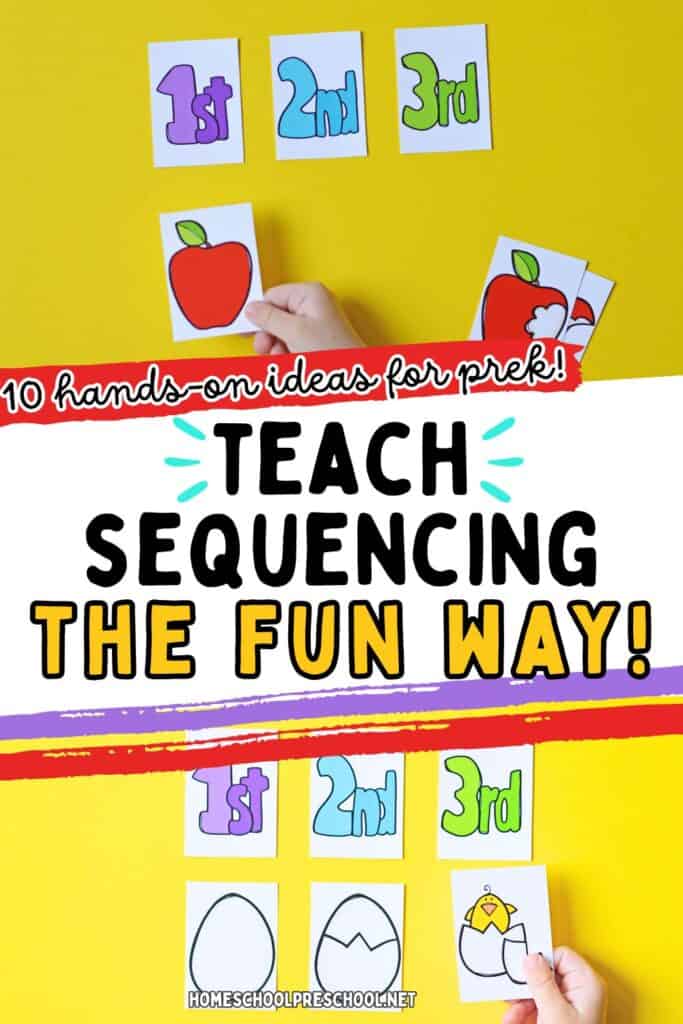
What Is Sequencing?
Sequencing is the ability to understand and arrange events, actions, or steps in the correct order. For preschoolers, this often means putting pictures or story events into a “first, next, then, last” format. It helps young children make sense of the world around them—whether they’re brushing their teeth, baking cookies, or retelling a favorite story.
Learning to sequence supports important early literacy and thinking skills. It encourages kids to pay attention to details, recognize cause and effect, and describe what happened in a clear and logical way. Whether you’re reading books, following a routine, or playing with story cards, sequencing helps build a strong foundation for comprehension, communication, and problem-solving.
How to Teach Sequencing
Now that you know what sequencing is and why it matters, let’s dive into some fun, hands-on ways to teach it! These activities are perfect for preschoolers and can be done at home or in the classroom with minimal prep. Each idea is designed to help little learners practice putting things in order—whether it’s steps in a routine, parts of a story, or stages of an activity.
You’ll find a mix of playful, creative approaches that support early literacy, language development, and critical thinking. Plus, there’s a free printable to get you started right away! Let’s explore these engaging sequencing activities that make learning feel like play.
1. Use Sequencing Cards
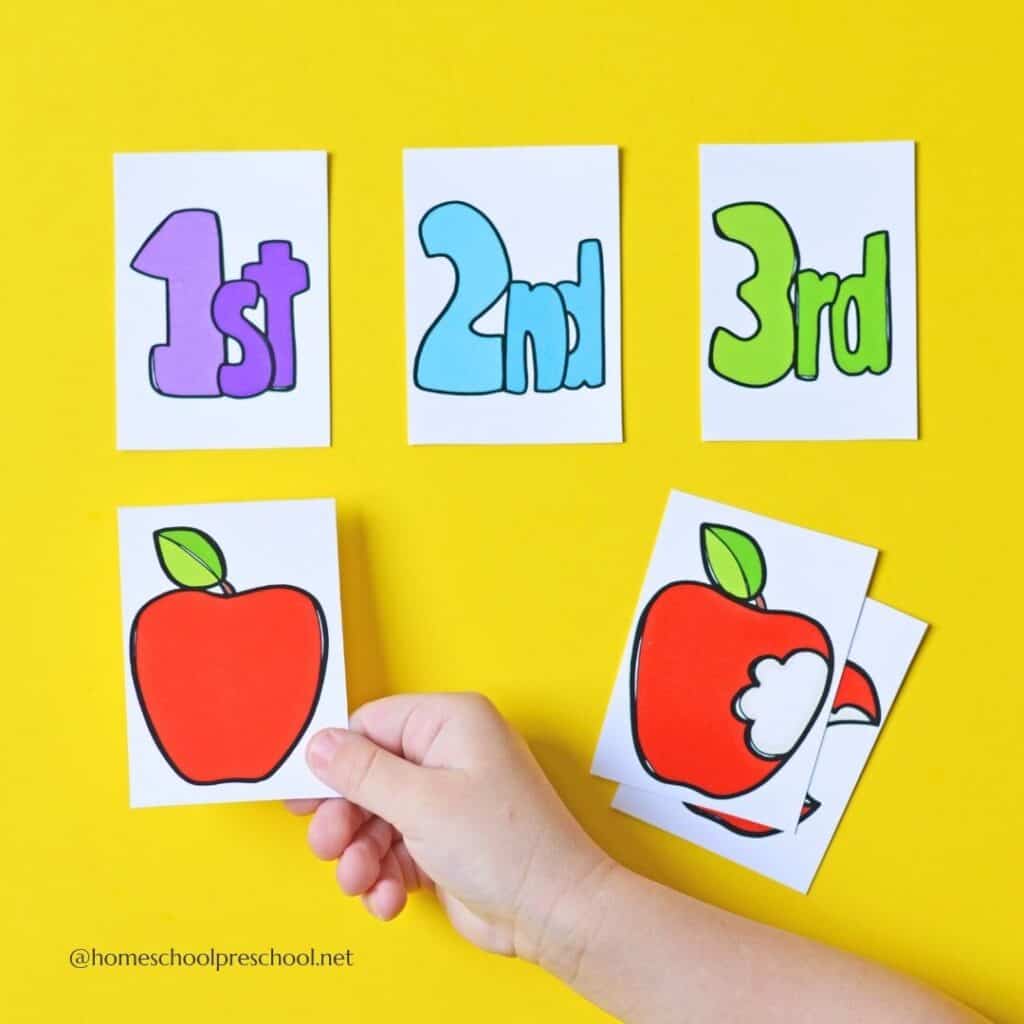
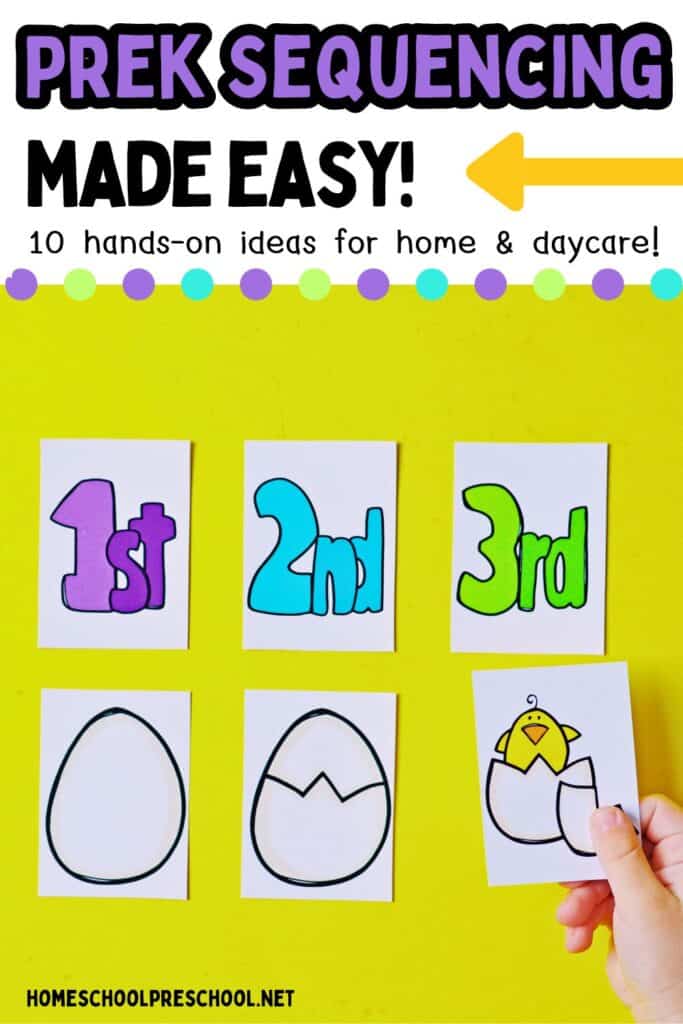
Sequencing cards are a fantastic tool for helping preschoolers understand the order of everyday events. Each card features an image that represents one step in a simple process—like making a sandwich, brushing teeth, or planting a flower.
Start by showing your child all the cards and talking through what’s happening in each picture. Then, mix them up and have your child place them in the correct order.
You can begin with 3-step sequences and gradually add more as your child builds confidence. Encourage them to describe each step out loud to strengthen their language skills and comprehension.
???? Want to try it for free? Grab our 3-Step Sequencing Cards Set featuring morning routines, baking, and animal life cycles. These print-and-go cards are ideal for literacy centers, quiet time, or small-group work.
2. Try Story Sequencing Activities
Story sequencing activities help preschoolers practice putting parts of a story in the correct order—from beginning to middle to end. Start by reading a short, familiar story aloud. Then, offer your child a set of illustrated cards or strips that show key events from the story.
Mix up the cards and invite them to arrange the events in the correct sequence. As they place each card, ask guiding questions like, “What happened first?” or “What came after that?” This encourages critical thinking and strengthens their understanding of narrative structure.
These activities are great for building comprehension and vocabulary while reinforcing the natural order of stories. They also pair well with favorite books, making storytime more interactive and memorable.
3. Cut-and-Paste Sequencing Worksheets
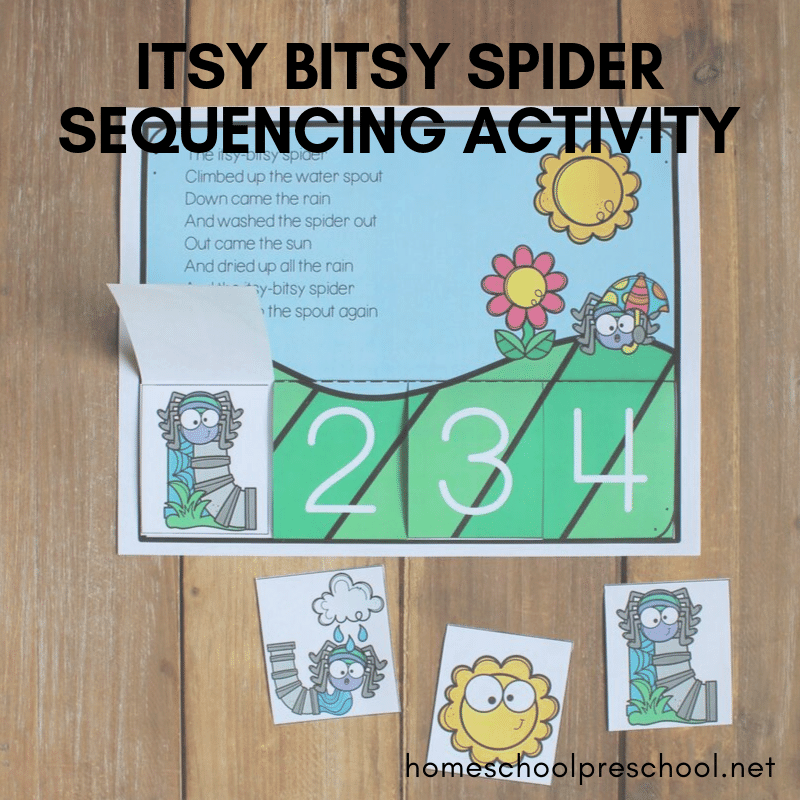
Bring classic rhymes to life with nursery rhyme sequencing activities! These cut-and-paste worksheets are a fun way for preschoolers to practice retelling familiar stories in the correct order. Each activity features a well-known nursery rhyme—like Humpty Dumpty or Jack and Jill—with simple illustrations showing key events.
Kids cut out the pictures and glue them in the correct sequence, helping them understand the beginning, middle, and end of each rhyme. As they work, encourage them to recite the rhyme aloud and describe what’s happening in each scene. This supports comprehension, memory, and language development.
Plus, the cutting and gluing give those little fingers a fine motor workout! These worksheets are perfect for literacy centers, storytime follow-ups, or seasonal rhyme units.
✅ Check out our Nursery Rhyme Cut-and-Paste Sequencing Activities for easy, engaging printables to use all year long!
4. Play Sequencing Puzzles
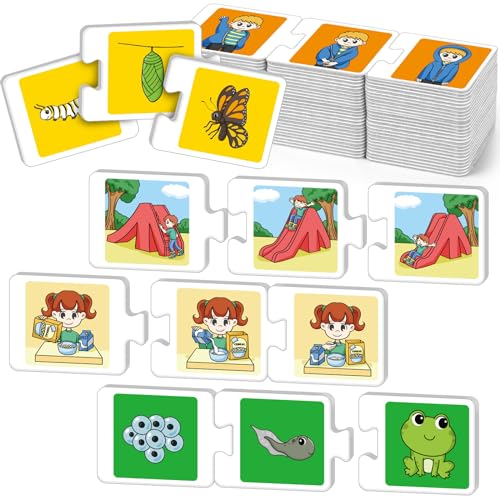
Sequencing puzzles are a hands-on way to help preschoolers understand the order of events in a fun, visual format. These puzzles typically feature three to six chunky pieces, each showing a step in a simple process—like getting dressed, brushing teeth, or growing a flower. Kids work to arrange the pieces in the correct sequence, which builds critical thinking, comprehension, and fine motor skills all at once.
You can find plenty of ready-made sequencing puzzles designed just for young learners. They’re great for independent play, small group work, or adding to a literacy center. Plus, they’re durable and reusable—perfect for repeated practice!
Don’t have a puzzle on hand? You can also create your own using laminated printable images or cut-up story cards.
???? Check out our favorite sequencing puzzles for preschoolers in the Amazon block below!



5. Create Daily Routine Charts
One of the easiest ways to teach sequencing is by using your child’s everyday routines! Creating a daily routine chart helps preschoolers visually understand the order of activities like brushing teeth, eating breakfast, getting dressed, and packing their backpack.
You can make this a fun, hands-on project by using photos of your child doing each step or drawing simple pictures together. Arrange the images in order on a poster board or use Velcro so your child can move the pieces around. Talk through the routine using words like “first,” “next,” “then,” and “last” to reinforce sequencing vocabulary.
These charts not only teach sequencing—they also give preschoolers a sense of structure, independence, and predictability. Bonus: they’re super helpful during transitions or back-to-school time!
???? Tip: Keep the chart at eye level so your child can refer to it during their routine!
6. Use Pocket Charts
Pocket charts are a versatile tool for practicing sequencing in a fun, interactive way. Place picture cards and sentence strips in the pockets and invite preschoolers to match them up in the correct order. You might sequence steps in a story, parts of a routine, or even actions like planting a seed or washing hands.
This activity works especially well in small groups or literacy centers. Kids can work together to discuss the correct order, building both sequencing skills and language development. For extra practice, encourage them to retell the sequence aloud using complete sentences like “First, the seed is planted,” or “Last, the flower grows.”
You can also switch it up by having students draw their own steps or mix up the cards for a partner to fix. It’s a flexible way to keep sequencing practice fresh and engaging!
7. Read and Retell with Picture Books
Picture books are a natural and engaging way to teach sequencing. Stories with clear, simple plots help preschoolers identify the beginning, middle, and end of events. After reading, ask your child to retell the story in their own words—or use sequencing cards or a flannel board to help them visualize the order.
Two great books for sequencing practice are:
- The Very Hungry Caterpillar by Eric Carle – perfect for reinforcing days of the week and life cycle sequencing
- If You Give a Mouse a Cookie by Laura Numeroff – a fun, circular story that helps kids recognize cause and effect in sequence
Want more ideas?
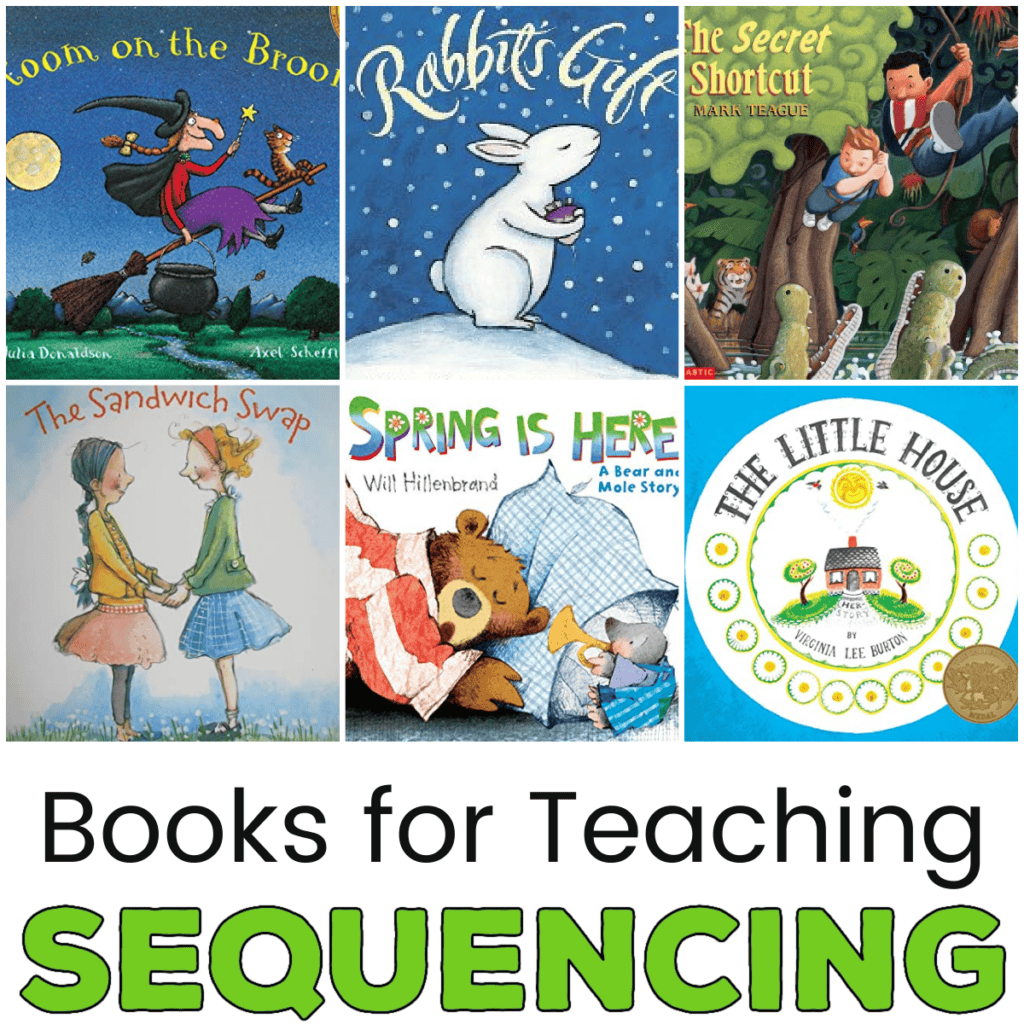
???? Check out our list of the best books for teaching sequencing to preschoolers – perfect for storytime, circle time, or literacy centers!
8. Act It Out!
Dramatic play is a powerful (and fun!) way to help preschoolers internalize sequencing. When kids act out familiar activities—like baking a cake, getting ready for bed, or planting a seed—they naturally follow a step-by-step process. This hands-on approach enables them to practice sequencing in a meaningful and memorable way.
You can guide the activity by narrating each step (“First we mix the batter, next we pour it into the pan…”), or let your child lead and explain what they’re doing. Add simple props like mixing bowls, watering cans, or dress-up clothes to make it even more engaging.
As they play, reinforce time-order words, such as first, next, then, and last. Not only does this strengthen sequencing skills, but it also builds vocabulary, language development, and confidence in storytelling. It’s learning through play at its best!
9. Teach with “First, Then, Last” Language
Using simple time-order words like “first,” “then,” and “last” is a powerful way to help preschoolers understand sequencing. These phrases break down events into manageable steps and give children the vocabulary they need to talk about the order of actions.
You can use this language naturally throughout the day:
“First we wash our hands, then we eat lunch, last we clean up.”
Repetition helps children internalize the sequence of events and prepares them for more complex storytelling later on.
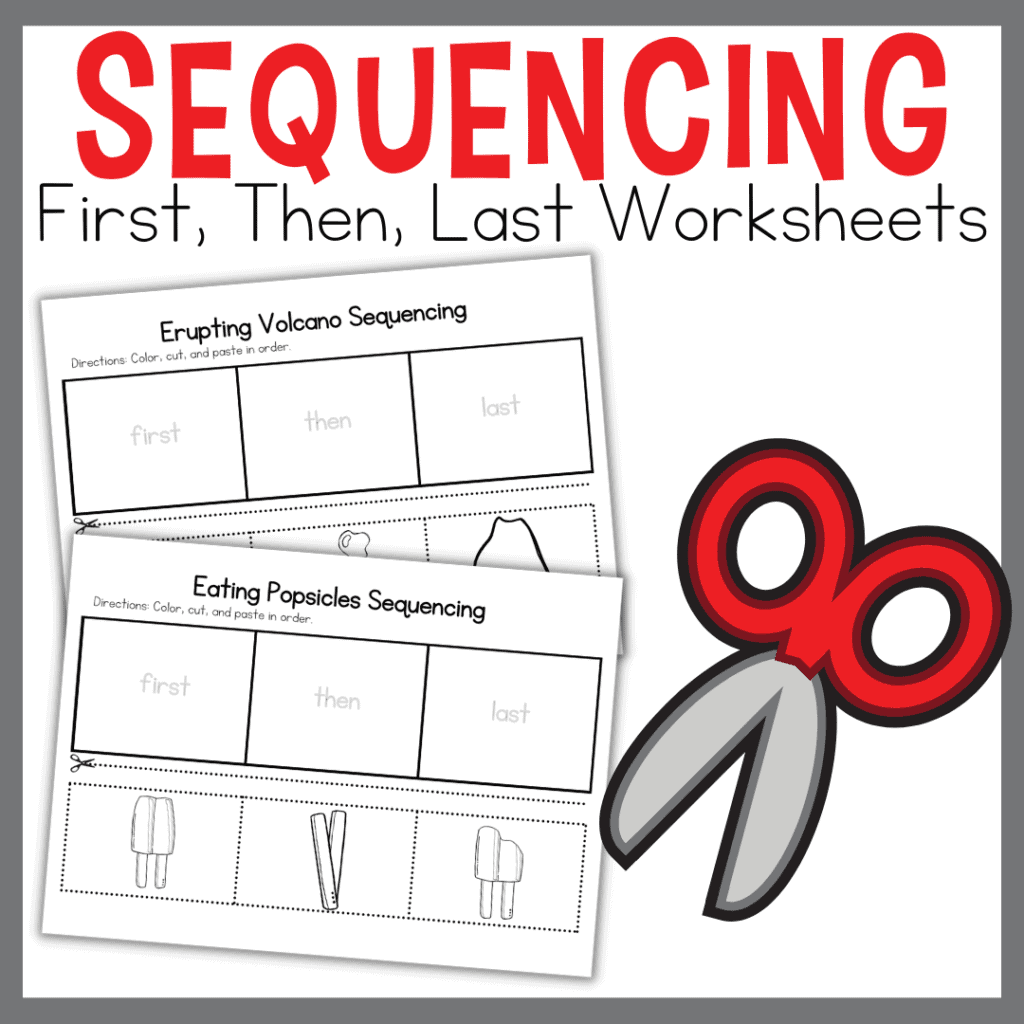
To reinforce this concept, try using First, Then, Last sequencing worksheets. These activities prompt children to arrange three simple steps of an everyday task or story using visuals and structured prompts. They’re a great tool for strengthening comprehension and expressive language.
????️ Check out our First, Then, Last Sequencing Worksheets—perfect for independent work, small groups, or home learning routines!
10. Try Interactive Digital Slides or Task Cards
Digital sequencing activities are a great way to engage tech-savvy preschoolers while reinforcing important literacy skills. Using platforms like Google Slides, Boom Cards, or interactive digital sequencing mats, kids can drag and drop pictures to arrange steps in the correct order—all with just a few clicks.
These tools are perfect for centers, tablet time, or distance learning, especially when you want to mix things up from traditional cut-and-paste activities. Plus, they offer instant feedback and can be reused again and again without any prep or cleanup.
Whether you’re sequencing a daily routine, a familiar story, or a life cycle, digital activities help build confidence and fluency in a format kids love. They’re also a great option for early finishers or screen-based learning stations!
????Tip: Create your own using simple clipart or explore free templates shared by educators online.
???? FAQ’s About Teaching Sequencing
It helps children build comprehension, follow steps, and retell stories.
Story strips, cut-and-paste pages, retelling with cards, and acting things out.
Start with simple 3-step tasks using pictures, then progress to retelling stories or personal routines.
Teaching sequencing doesn’t have to be complicated—just playful and purposeful! Whether you’re using picture cards, acting out daily routines, or reading favorite stories together, these activities help preschoolers build essential skills for reading, listening, and speaking.
By exploring events in order, your child learns to think clearly, express ideas, and make sense of the world around them. Start small with simple, hands-on activities, and build from there as their confidence grows.
Don’t forget to grab your free 3-Step Sequencing Cards to get started today! They’re a great way to introduce sequencing in a fun, visual way your preschooler will love.
Looking for more early literacy ideas? Stick around—we’ve got plenty of resources to support you on your preschool journey!


Tara is the brains behind Homeschool Preschool, where her journey from preschool and public school teacher to homeschooling mom of three fuels her passion for early childhood education. With a blend of expertise and firsthand experience, Tara’s writings offer practical tips and engaging resources to support families in creating meaningful learning adventures at home.