What Age to Start Homeschool Preschool


You don’t need a classroom to know your child is ready to learn. You just need to notice. Still, when it comes to what age to start homeschool preschool, it’s hard not to second-guess yourself. Everywhere you look, someone has an opinion or a checklist about when kids should start. Is three too young? Is five too late?
I remember wondering the same thing, scrolling through ideas, comparing timelines, and feeling like I might miss some invisible window. But preschool at home isn’t about checking boxes or keeping pace. It’s about connection, curiosity, and growing together at your child’s rhythm.
In this post, we’ll talk about how to recognize readiness, why there’s no perfect age to begin, and gentle ways to start so you can feel confident about how to homeschool preschool in a way that fits your family.
At a Glance
• No set age — start when your child shows interest.
• Focus on play, curiosity, and connection.
• Most begin gently between the ages of 3 and 5.
• Keep it simple and flexible.
• Learning grows from everyday life.
???? Begin your preschool journey with confidence through Your First Gentle Year.
What Preschool Really Means at Home
At home, preschool isn’t a grade level. It’s a season of early learning built on play, rhythm, and connection. Your child learns best by touching, exploring, and joining you in everyday life.
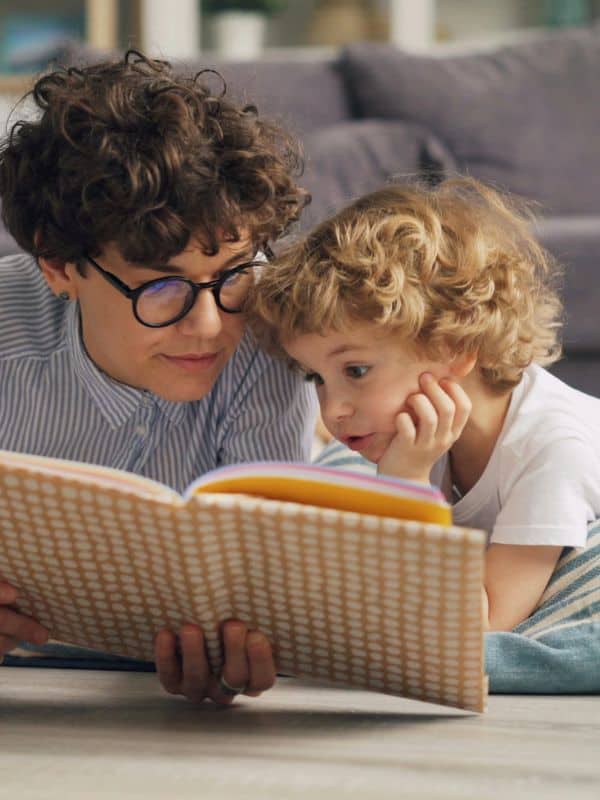
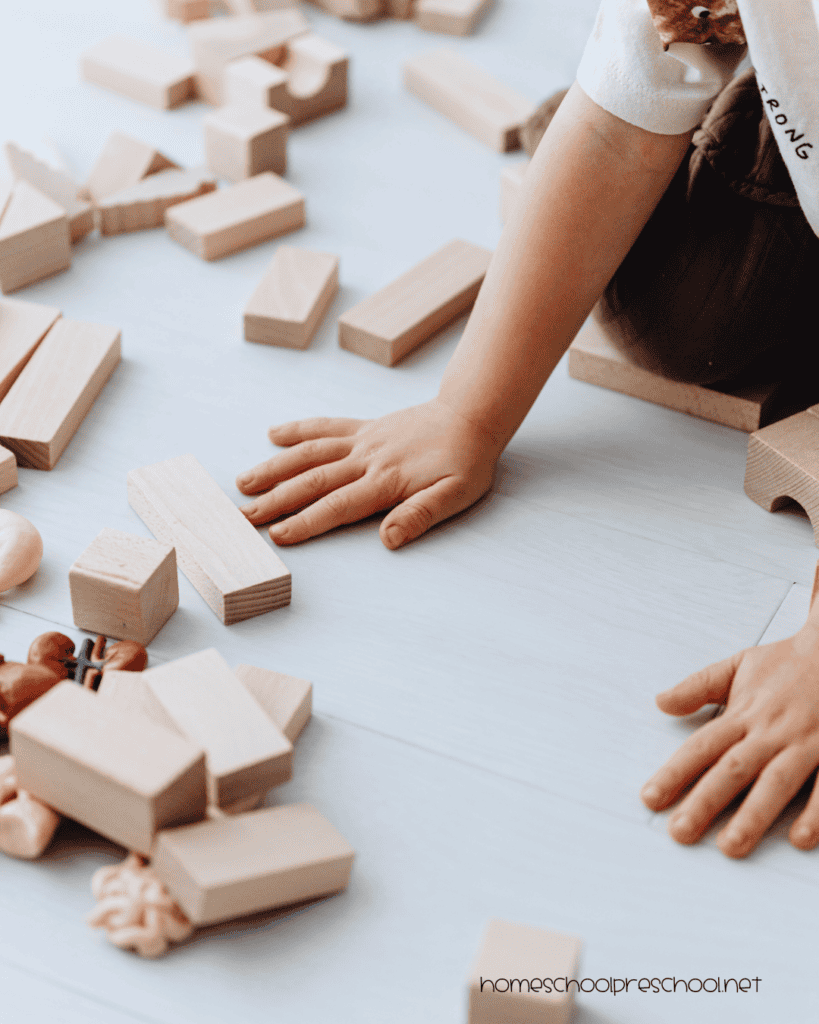
Reading stories on the couch, counting blocks on the floor, or helping stir muffin batter all count as preschool. These simple moments build language, confidence, and curiosity.
In a school setting, preschool often follows an age-based plan. Everyone learns the same thing at the same time. At home, it looks different. Learning follows your child’s interest, not a checklist.
The real sign of readiness isn’t age. It’s curiosity, focus, and a growing desire to be part of what you’re doing. Those small sparks tell you when it’s time to begin.
Typical Ages to Start (and Why There’s Wiggle Room)
Most families begin homeschooling preschool somewhere between the ages of two and five. But there’s plenty of room to move at your own pace. The goal isn’t to start on time—it’s to start when it feels natural for your child.
Ages 2–3: Explore and Imitate
At this stage, preschool looks like singing, stacking blocks, and helping with daily routines. Think sensory play, story time, and lots of talking together. These shared moments build language and connection.
Ages 3–4: Light Structure and Playful Learning
Many children begin to enjoy a little rhythm in their day. You might add a short circle time, simple art projects, or gentle printables. Keep it playful and flexible, following your child’s interests.
Ages 4–5: Growing Independence
Your child may start to show curiosity about letters, numbers, or writing. Some families focus on kindergarten readiness here, while others continue with open-ended, play-based learning. Either path is fine. Follow what feels right for your child.
Here’s a quick look at how the focus tends to shift over time:
| Age Range | Focus Areas | Examples of Learning |
|---|---|---|
| 2–3 years | Play & language | Singing, sensory bins, reading together |
| 3–4 years | Fine motor & imagination | Cutting, painting, pretend play |
| 4–5 years | Early academics & independence | Letter games, sorting, simple handwriting |
Each stage builds on the last. Let curiosity lead, and let progress unfold naturally.
Signs Your Child Might Be Ready to Start
Every child grows at their own pace, but you might notice signs that it’s time to begin exploring together.
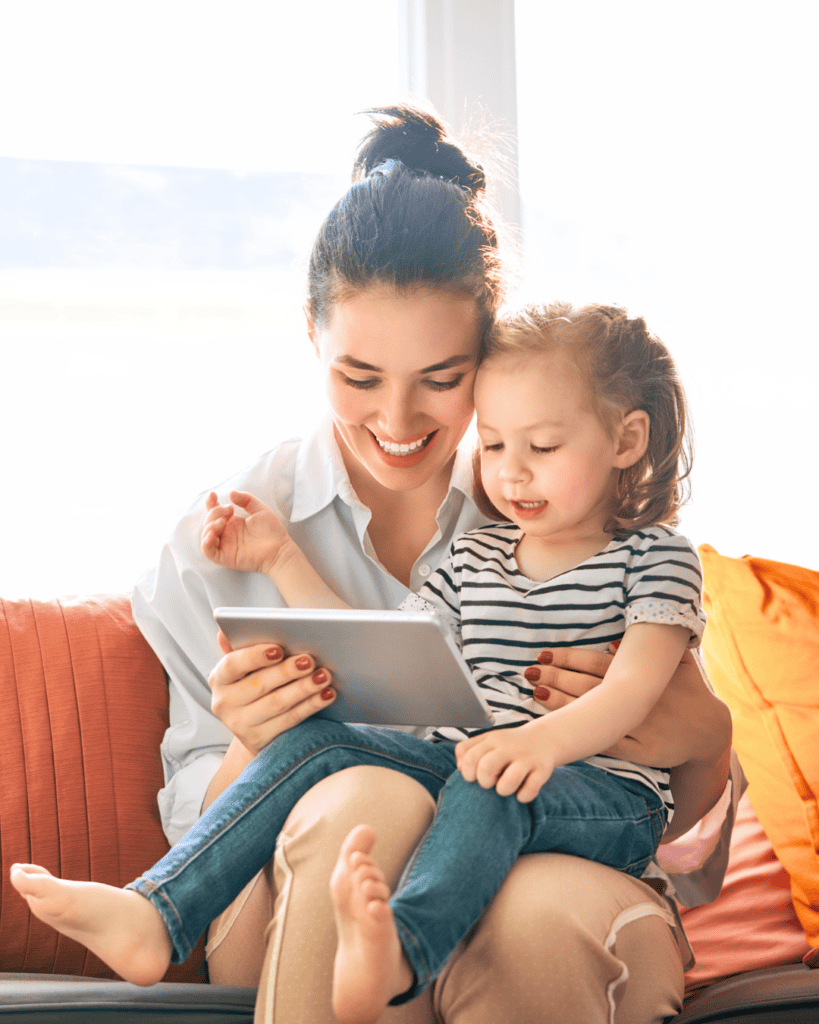
- Shows interest in books, songs, or helping with small tasks
- Can sit and focus for short bursts of time (around five to ten minutes)
- Enjoys pretend play and imitation
- Gets curious about letters, numbers, or colors
- Wants to “do school” like older siblings or friends
These signs are gentle signals, not a checklist. Readiness isn’t about reaching a milestone. It’s about noticing curiosity and inviting your child to learn alongside you.
When to Wait (and Why That’s Okay)
Sometimes the best start is a slower one. If your child struggles to focus or becomes easily frustrated, it may help to step back. Spend time reading together, playing outside, or helping with daily routines. Those moments teach more than you might realize.
Big life changes can also make learning feel harder. A new baby, a move, or family stress are all reasons to keep things light. Preschool can wait until your days feel steadier.
Starting later doesn’t put your child behind. In many cases, it protects their natural curiosity and love of learning. When learning feels joyful, it sticks.
How to Ease In When You’re Ready
Begin with rhythm, not a rigid plan. A gentle flow gives your days shape without pressure. Think of it as a pattern that repeats, not a schedule you have to keep.
Start small. Add one short, engaging activity each day—reading a favorite book, exploring outside, or creating simple art together.
Watch what captures your child’s attention and follow that spark. The best learning grows from their interests, not from a checklist.
If you’re not sure where to begin, Your First Gentle Year ™ can guide you through setting up a calm, flexible rhythm that fits real life. It’s built around the same idea: start slow, stay present, and let learning unfold naturally.
There’s no single right age to begin. What matters most is your child’s rhythm and your family’s season.
Homeschool preschool starts when curiosity meets connection, not when a calendar says it should.
Trust your intuition. Start gently. Learning will grow from there.
Tara is the brains behind Homeschool Preschool, where her journey from preschool and public school teacher to homeschooling mom of three fuels her passion for early childhood education. With a blend of expertise and firsthand experience, Tara’s writings offer practical tips and engaging resources to support families in creating meaningful learning adventures at home.