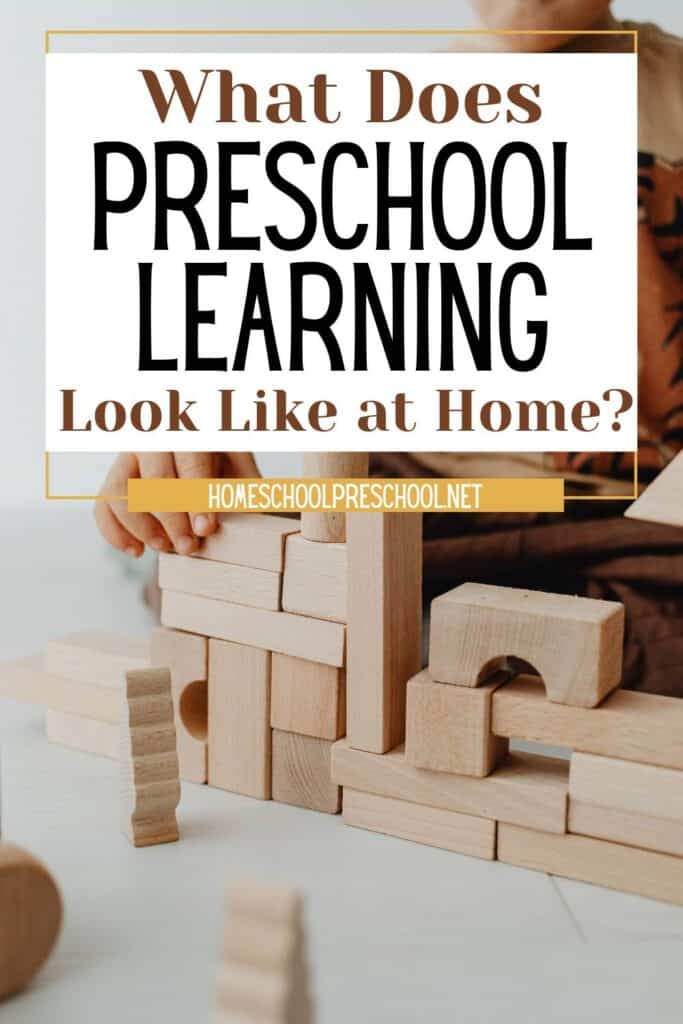
What Does Preschool Learning Look Like at Home?
If you’re asking, “What does preschool learning look like at home?” you’re not alone.
Maybe you look around your living room and think, “I know play matters…but why does this feel so unstructured?” Or you catch yourself wondering, “If this is preschool, why doesn’t it look like the worksheets I expected?“
After scrolling Instagram or Pinterest, it’s easy to spiral. Everyone else seems to have color-coded bins, themed activities, and kids sitting still at tiny tables.
But here’s the truth: if homeschooling preschool feels different than school, that’s not a problem. That’s the point.
You’re not doing it wrong. You’re just seeing what learning actually looks like up close—and it rarely fits in a frame.
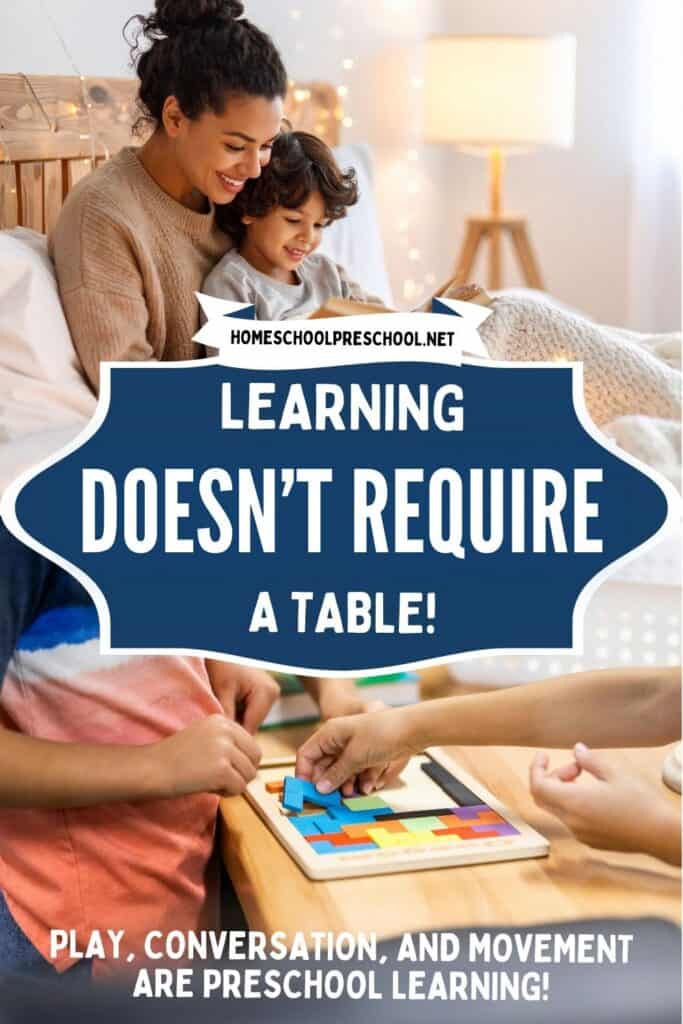
Why the “School-at-Home” Picture Creates So Much Stress
There’s a reason you keep second-guessing yourself, and it’s not because you’re doing it wrong.
It’s because the image of “preschool” in your head probably looks like school: neat rows of desks, worksheets with checkmarks, kids sitting still and focused. And when your reality doesn’t match that picture? The doubt creeps in.
Here’s what’s true: worksheets feel measurable, but they’re not required. They give us something tangible to point to, something we can show as “proof.” But sitting still at a table doesn’t equal learning at this age. In fact, it often works against it.
Preschoolers learn best through their bodies, curiosity, and connection. Their brains are wired for exploration, not completion. They need to move, touch, ask, wonder, and try things over and over again.
The foundations you’re trying to build? They’re happening, just not on paper.
What Actually Matters (and What Doesn’t)
Here’s the reframe that changes everything: Play, conversation, and movement ARE preschool learning.
Not preparation for learning. Not a break from learning. Not something you do after the “real” lessons are done. They are the learning.
At this age, preschool is about exposure—not output. Your child doesn’t need to produce anything, finish anything, or prove anything. They need to explore, ask questions, make connections, and engage with the world around them.
So let’s be clear about what you can stop worrying about: You don’t need daily worksheets. You don’t need proof. You don’t need every moment documented or every activity tied to a learning objective.
What you do need to pay attention to: Is your child engaged? Are they curious? Are they asking questions, exploring, trying things?
If yes, learning is happening.
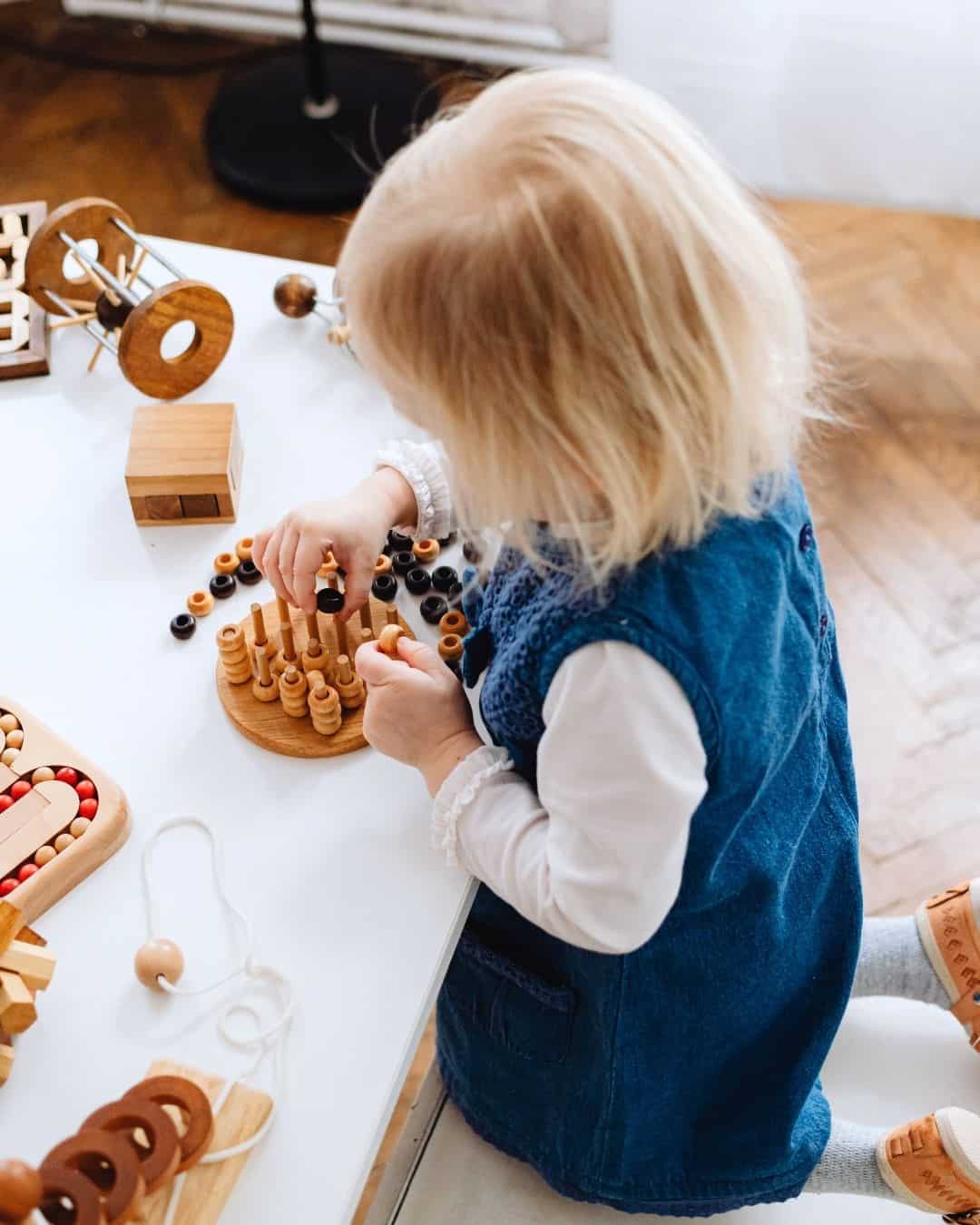
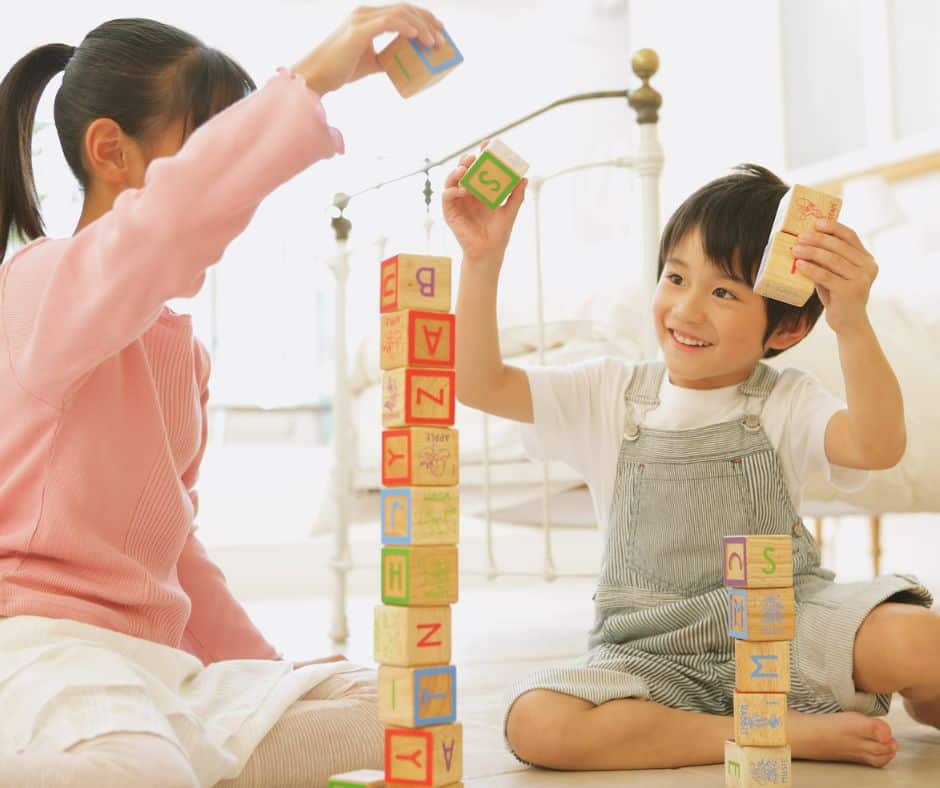
That tower of blocks? That’s math and engineering. That pretend grocery store? That’s language and social skills. That puddle they insist on jumping in? That’s gross motor development and cause-and-effect.
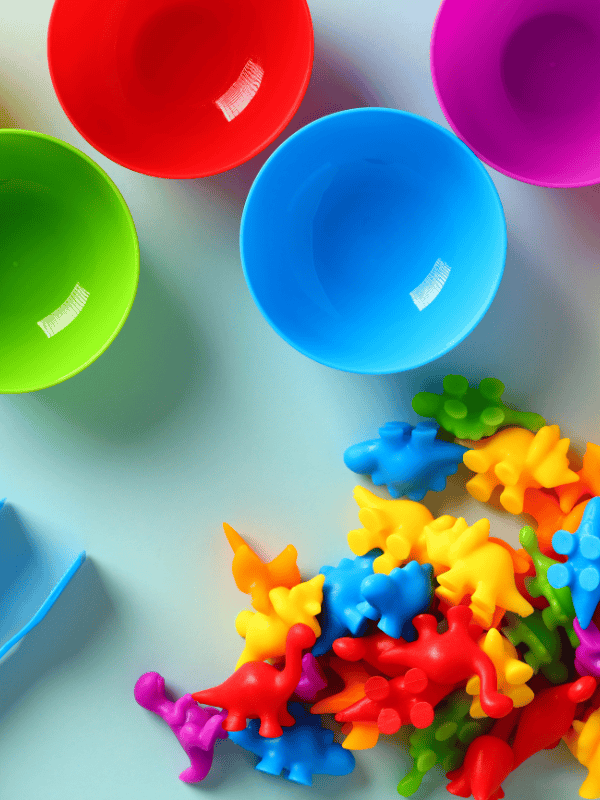
Language develops through conversation—in the car, at the park, during snack time. Early math emerges through play—stacking blocks, sorting toys, pouring water. Pre-reading skills grow through stories and songs—on the couch, at bedtime, while you fold laundry.
None of this requires a lesson plan. None of it needs to be photographed or checked off a list. But all of it matters.
You’re not behind. You’re just seeing learning up close instead of on paper, and that can feel unfamiliar. But unfamiliar doesn’t mean insufficient.
Learning is happening because your child is engaged, not because you planned it perfectly.
You’re Closer to Peace Than You Think
Preschool is a season, not a checklist. It’s not a race to complete or a standard to meet. It’s a window of time when your child is naturally wired to explore, wonder, and discover.
You’re allowed to stop trying to make this look like school. You’re allowed to let go of the Pinterest boards, the comparison spirals, and the pressure to document every moment.
What your child needs most isn’t a perfect curriculum or a flawless routine. They need you, present and engaged. They need space to play, permission to be curious, and a home where learning feels natural instead of forced.
You don’t need perfect. You need peace.
Tara is the brains behind Homeschool Preschool, where her journey from preschool and public school teacher to homeschooling mom of three fuels her passion for early childhood education. With a blend of expertise and firsthand experience, Tara’s writings offer practical tips and engaging resources to support families in creating meaningful learning adventures at home.