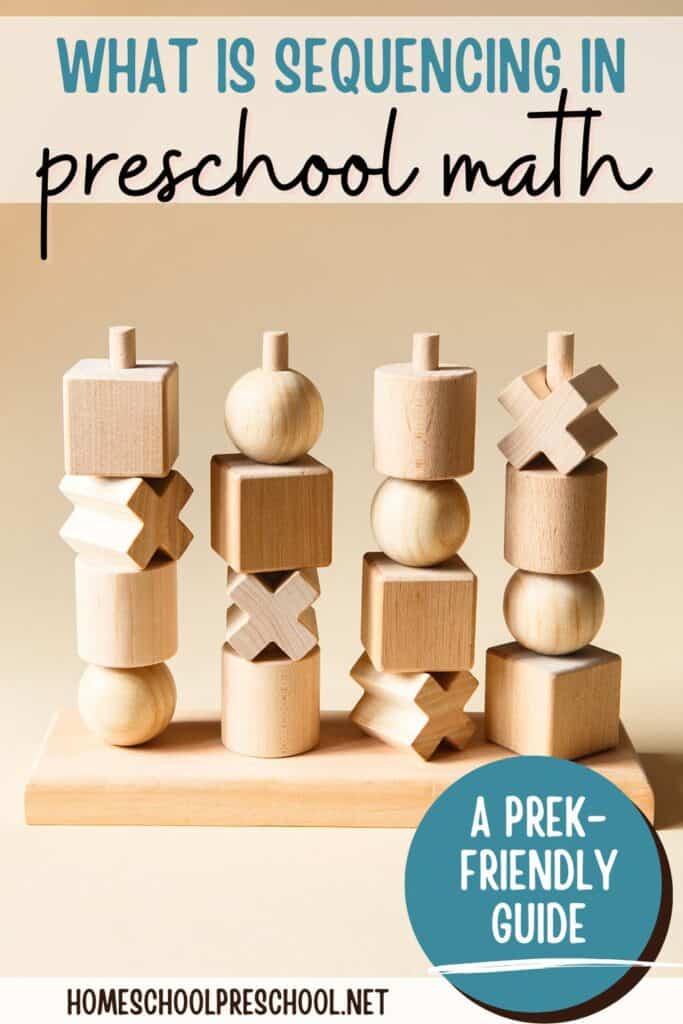
What Is Sequencing In Math
What is sequencing in math? If you’ve ever watched your preschooler line up toys from biggest to smallest or tell you the steps for making a sandwich, you’re already seeing sequencing in action! In preschool math, sequencing is all about understanding the order of things—what comes first, next, and last. It helps little learners make sense of the world around them and builds the foundation for bigger math concepts down the road.
In this post, we’ll break down what sequencing really means, why it’s important, and how you can help your child practice it through fun, hands-on activities. No worksheets required—just everyday moments and playful learning!
So, if you’re wondering what sequencing in math looks like for preschoolers, you’re in the right place. Let’s make math fun and simple together!
What Is Sequencing in Math?
Sequencing in math is just a fancy way of talking about putting things in order. For preschoolers, this means learning what comes first, what comes next, and what comes last. It’s like telling a story or following steps to make a sandwich—everything has its place!
You’ve probably already seen your little one practicing sequencing without even realizing it. Maybe they line up their cars from smallest to biggest, or tell you how they get ready for bed: “First I brush my teeth, then I read a book, then I go to sleep.” That’s sequencing!
In preschool math, sequencing helps children understand that numbers and events happen in a certain order. Before kids can count forward or backward, they need to understand the idea of order. Sequencing builds that foundation, helping little minds prepare for patterns, problem-solving, and more complex math later on.
Pretty cool, right?
Why Is Sequencing Important?
Sequencing isn’t just about order—it’s about helping little brains grow! When preschoolers learn to sequence things correctly, they build memory and thinking skills. It helps them remember routines, follow directions, and understand what’s happening around them.
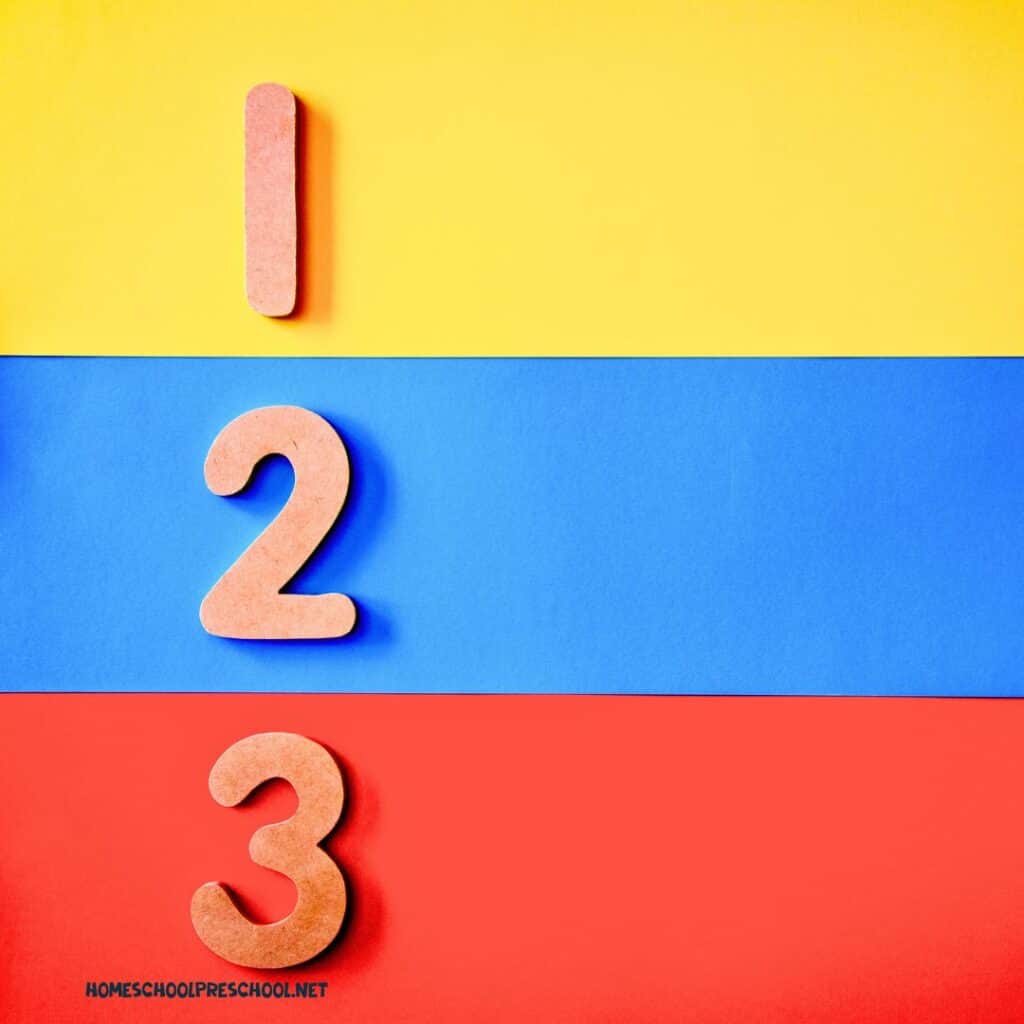
Sequencing also lays the groundwork for understanding patterns and number order. Before a child can count confidently, they need to know that numbers follow a certain path—1 comes before 2, and 2 comes before 3. Sequencing helps that concept click.
And here’s a fun bonus: sequencing boosts language and storytelling skills too! When kids learn to talk about what happened first, next, and last, they become better at retelling stories, understanding books, and even solving problems step by step.
So while it might seem simple, sequencing is actually a superpower in early learning!
How to Teach Sequencing in Fun, Playful Ways
Teaching sequencing doesn’t have to feel like “math time”—the best learning happens during play! Here are some easy, everyday ways to help your preschooler practice sequencing while having fun:
Use Storybooks
Reading is a wonderful way to explore sequencing. After reading a story, ask your child what happened at the beginning, middle, and end. You can even act it out together or draw pictures of each part. This helps them make sense of the story and learn about order.
Don’t miss these story-sequencing activities for preschoolers!
Try Simple Routines
Routines like getting dressed or brushing teeth are perfect for sequencing practice. Talk through each step: “First we put on socks, then shoes!” or “First we brush, then we rinse.” It turns everyday tasks into learning moments.
Play with Toys
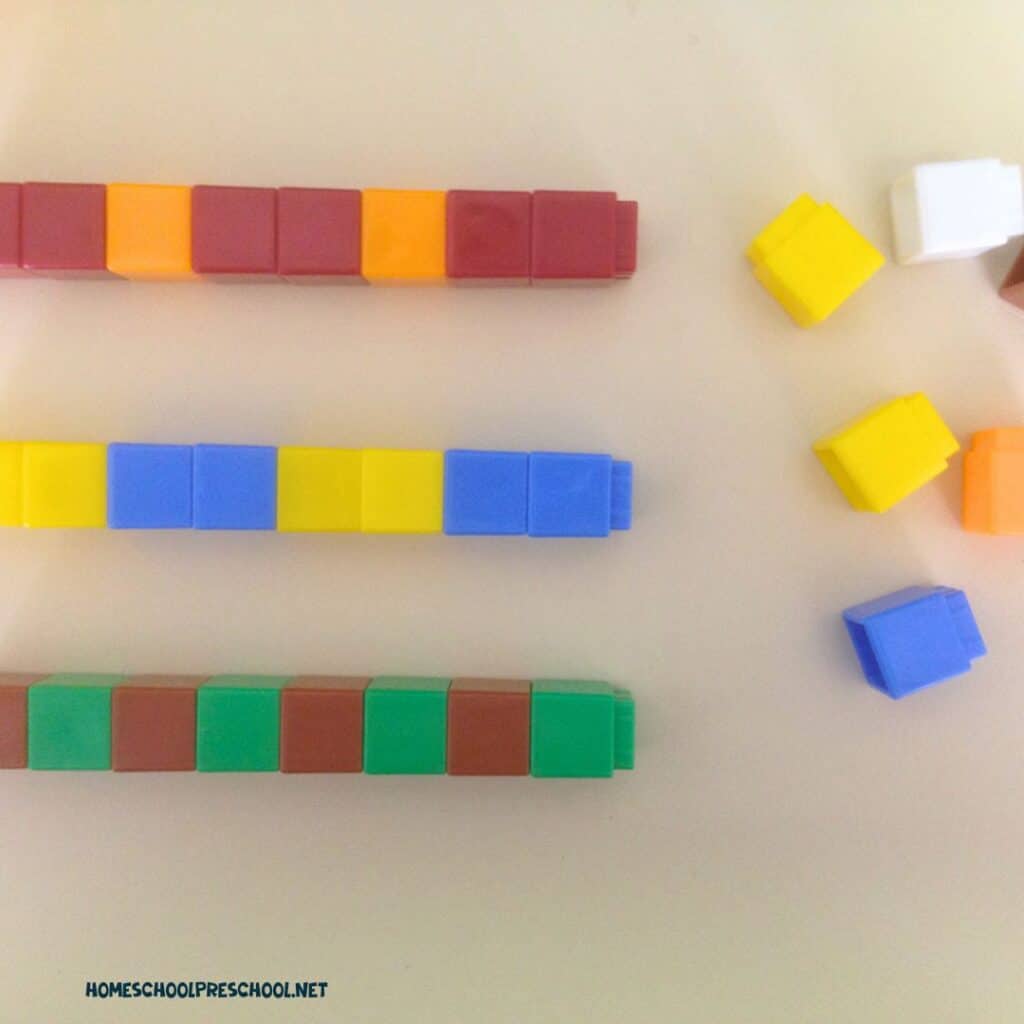
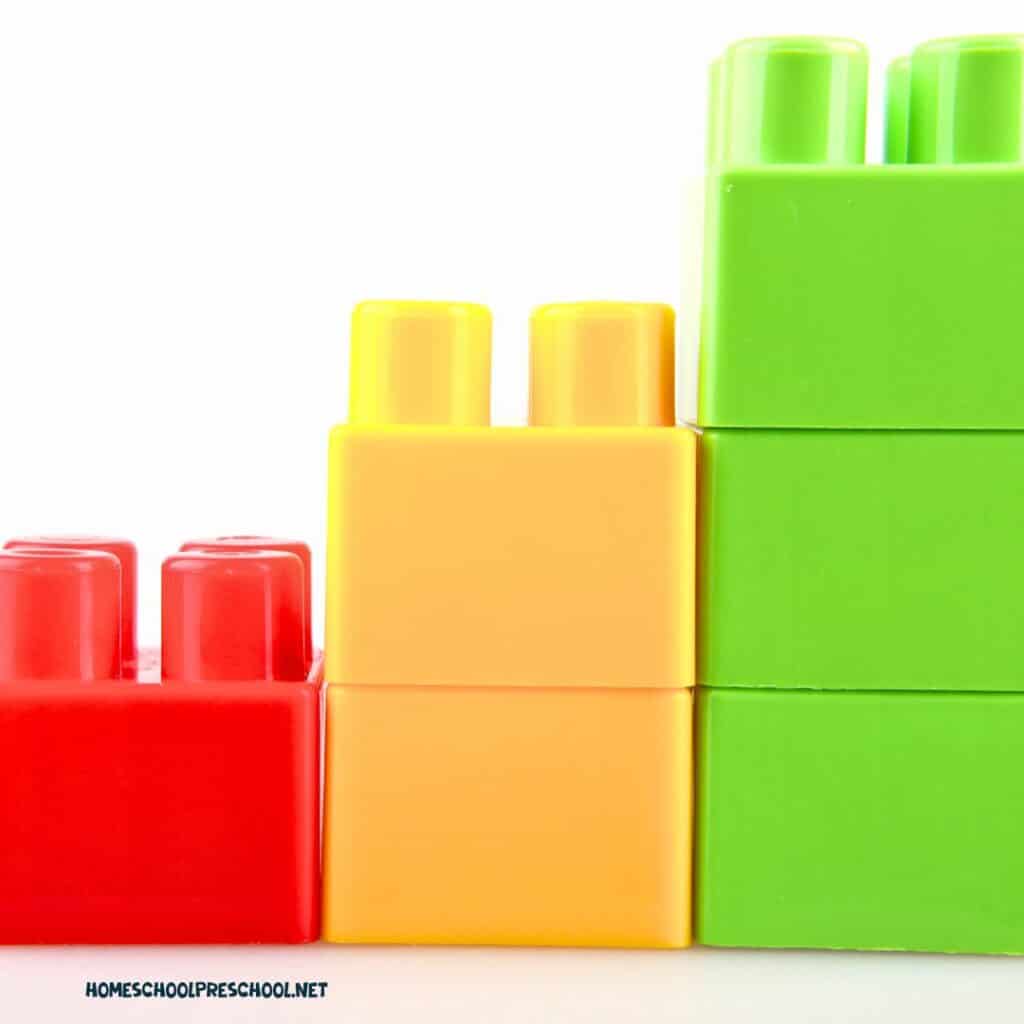
Toys are great for sequencing, too! Line up cars from smallest to biggest, sort blocks by color, or create patterns with beads. Kids love hands-on play—and you’ll love how much they learn while doing it!
See? Sequencing practice is already hiding in your daily life!
Easy Sequencing Activities for Preschoolers
Looking for fun ways to practice sequencing with your little one? These simple, hands-on activities are perfect for preschoolers and can be done at home or in the classroom. Best of all, they feel like play—but they’re packed with learning!
Printable Card Matching (First, Next, Last)
Use printable cards that show a simple story or routine—like planting a flower or making a sandwich. Mix them up and let your child figure out the correct order. It’s like solving a puzzle with pictures!
Don’t miss these First, Then, Last sequencing cards.
Sequencing Puzzles or Picture Stories
Look for puzzles with three or four parts, each showing a step in a process. These help children visualize the flow of events and give them a big confidence boost when they complete the sequence correctly.
Nature Walk Sequencing
Head outside and collect leaves, rocks, or sticks. Then, at home or in the classroom, have your child sort them by size, color, or even shape. It’s a great way to connect math and nature—and get some fresh air, too!
These activities are quick, easy, and so much fun—and your child will be learning important math and thinking skills the whole time!
Everyday Moments = Math Practice
You don’t need a special lesson or fancy supplies to teach sequencing—some of the best learning happens during your regular day. Just by talking with your child and involving them in everyday routines, you’re helping them understand the order of things.
Start by talking through your daily routine. Say things like, “First we eat breakfast, then we brush our teeth, and then we get dressed.” Saying each step aloud helps your child hear and understand how events go in a certain order.
Cooking together is another great way to practice sequencing. Invite your child to help you make a snack or simple recipe. Talk about the steps: “First, we spread the peanut butter, then we add the banana slices.” It’s fun, and it also builds important thinking skills.
Even clean-up time can become a learning moment. Ask your child to sort toys by type or size or line them up in order. It’s a simple way to sneak in math practice during everyday moments.
Quick Tips for Parents & Teachers
Helping preschoolers with sequencing doesn’t have to be complicated. Here are a few simple tips to keep things fun and stress-free:
- Use simple language. Try phrases like “What comes next?” or “What did we do first?” to get your child thinking in order.
- Ask open-ended questions. Encourage your child to explain their thinking with questions like, “Can you tell me what happened first?” or “What did we do after that?”
- Repeat routines. Doing the same things each day helps kids recognize patterns and feel confident about what comes next.
- Keep it playful. Turn sequencing into a game or story. When kids are having fun, they learn more without even realizing it!
Little moments of conversation and play go a long way in building strong sequencing skills.
Free Printables & Extra Resources
Looking for some fun, hands-on ways to help your preschooler practice sequencing? Here are some fantastic free printables and engaging books for teaching sequencing that make learning about order and steps feel like playtime!
Free Sequencing Printables
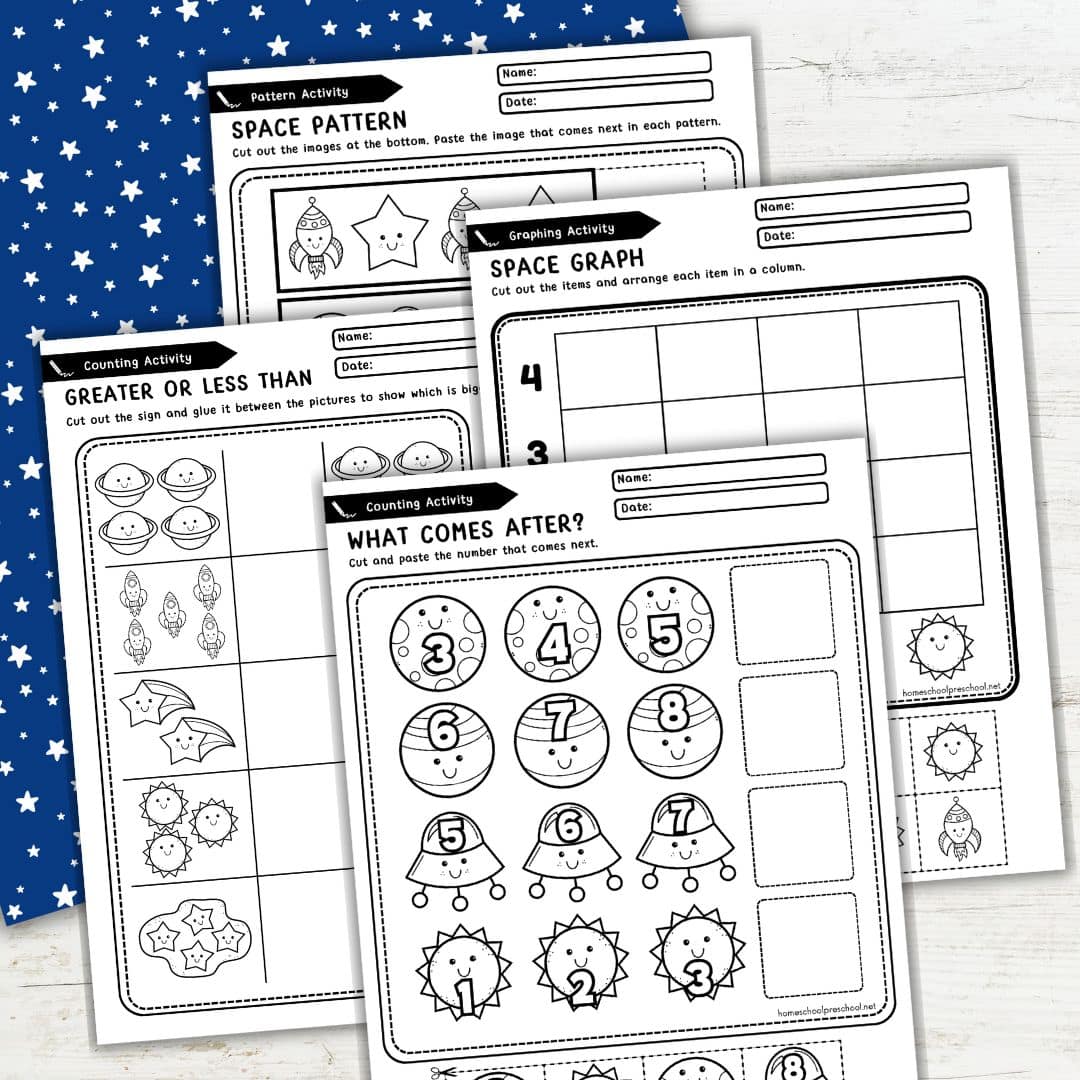
- Sequencing Pattern Worksheets
- Sequencing Math Worksheets
- Free Printable Number Sequence Puzzles
- Fairy Pattern Sequencing Worksheets
- The Very Busy Spider Sequencing Pictures
These resources are excellent for making sequencing a natural and enjoyable part of your child’s day. Whether you’re reading a story or engaging in a cut-and-paste activity, you’re helping your little one build essential math and literacy skills.
FAQs About Sequencing in Preschool Math
A great sign is when they can tell you what happened first, next, and last in a story or routine. You might also see it when they line up toys or follow directions in order.
That’s totally normal! Sequencing takes practice. Gently talk through the steps and let them try again—it’s all part of the learning process.
Absolutely! Everyday activities like cooking, cleaning up toys, or telling stories are all perfect for teaching sequencing in a fun, natural way.
Sequencing might seem like a small skill, but it plays a big role in how preschoolers learn to think, talk, and understand the world around them. With just a few fun activities, some story time, and a little guidance, you can help your child build strong sequencing skills that will support their learning for years to come.
So whether you’re using printable cards, reading a favorite book, or talking through your daily routine, remember—every step counts. Keep it simple, keep it playful, and most of all, enjoy the journey together!

Tara is the brains behind Homeschool Preschool, where her journey from preschool and public school teacher to homeschooling mom of three fuels her passion for early childhood education. With a blend of expertise and firsthand experience, Tara’s writings offer practical tips and engaging resources to support families in creating meaningful learning adventures at home.