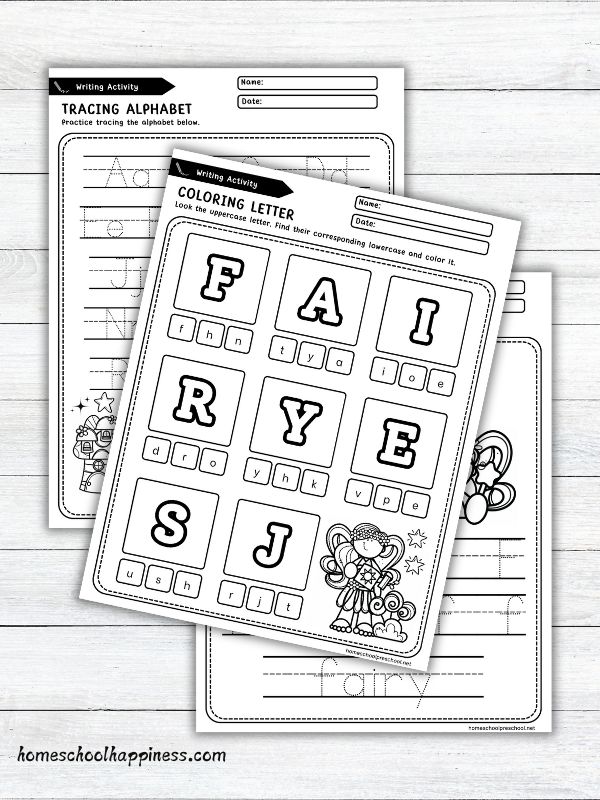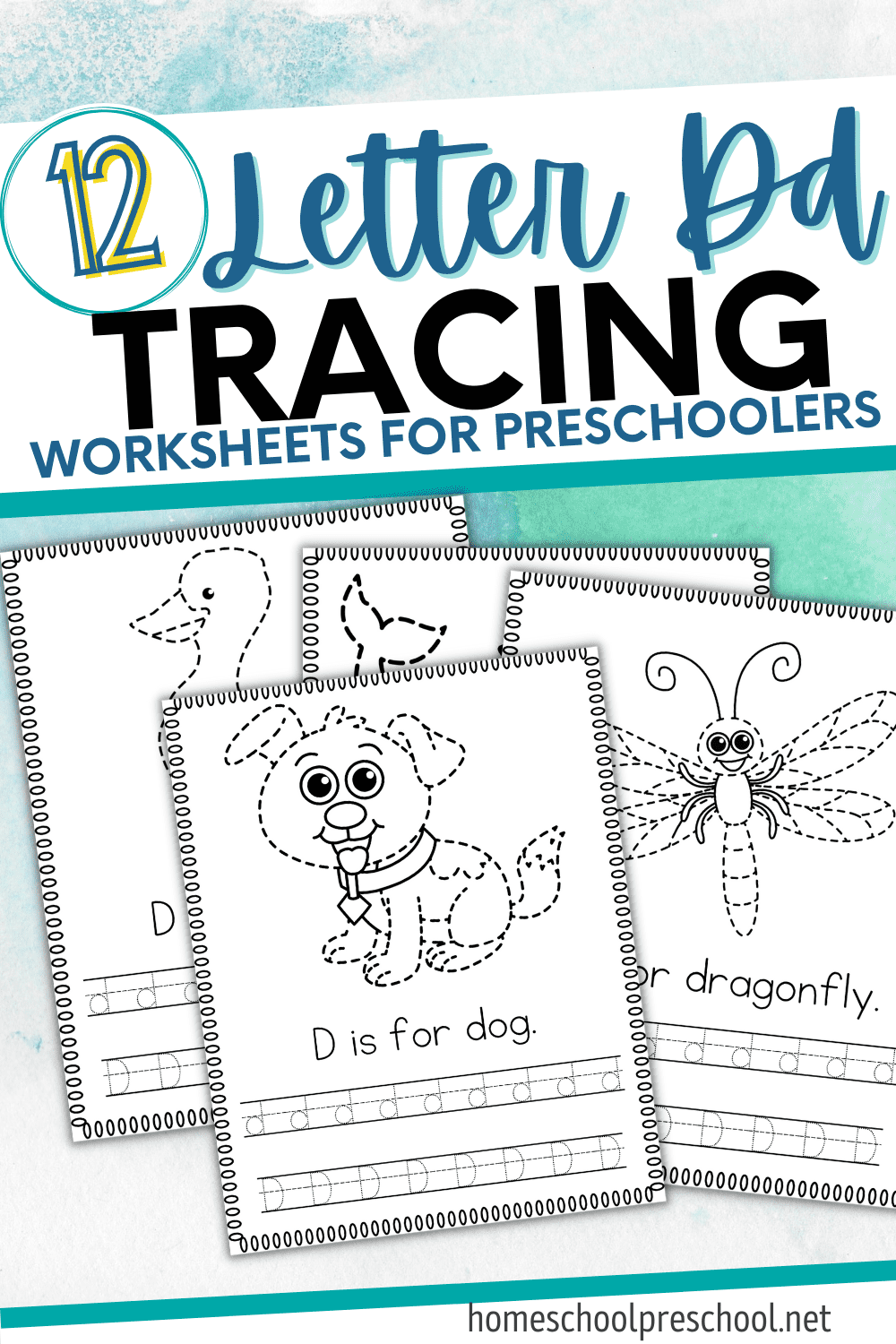
What Order to Teach the Alphabet to Preschoolers
If you’ve ever wondered what order to teach the alphabet to preschoolers, you’re not alone—and you’re in the right place. Teaching the ABCs isn’t just about going from A to Z. In fact, choosing the right order can make a big difference in how quickly and confidently young children grasp alphabet and letter recognition activities. A thoughtful sequence helps build early literacy skills, reduces frustration, and encourages joyful learning.
In this post, we’ll walk through why order matters, explore expert-recommended approaches, and share a sample teaching order that’s perfect for preschoolers. Whether you’re guiding a group or supporting your own little learner at home, you’ll discover practical tips, fun strategies, and engaging ways to make letter learning stick. Let’s dive into the building blocks of reading—one well-chosen letter at a time!
Should You Teach the Alphabet in Order?
It’s a question many parents and teachers ask: “Can I just go from A to Z when teaching the alphabet?” While that might seem like the most logical approach, it’s not necessarily the most effective for preschoolers just beginning their letter journey.
Teaching the alphabet in straight alphabetical order can make things harder for young learners. Letters like B and D, or M and N, can be easily confused when introduced close together. Plus, there’s often no meaningful connection between the letters in alphabetical order, making it harder for kids to remember and use them in real-life situations.
Instead, early literacy experts recommend introducing letters in an order that prioritizes visual clarity, distinct sounds, and word-building potential. This kind of intentional sequence builds confidence and allows kids to start recognizing-and even reading-simple words sooner. It turns learning letters from a memorization task into an engaging and rewarding experience.
Factors to Consider When Choosing an Alphabet Teaching Order
Choosing the best order to teach the alphabet isn’t one-size-fits-all. Every child is unique, and a flexible, thoughtful approach helps build early success. Here are a few key factors to consider when deciding where to begin:
1. Letter Recognition Readiness
Some letters are easier for preschoolers to recognize. Letters like M, S, T, and A have clear shapes and sounds, making them ideal starting points. Beginning with letters that are easy to identify helps boost confidence and creates early wins.
2. Phonemic Awareness
Start with letters that make distinct, frequently used sounds—like P, B, or N—so children can quickly connect letters to spoken language. These connections are the foundation for future reading.
3. Letter Formation Simplicity
When introducing writing, choose letters with simple strokes, such as L or T, before progressing to more complex ones like Q or G. This reduces frustration during handwriting practice.
4. Child’s Name and Interests
Personalize the experience! Begin with letters from your child’s name or favorite toys, animals, or foods. Familiarity creates excitement and helps letters feel meaningful from the start.
Popular Approaches to Alphabet Teaching Order
There’s no single “right” way to teach the alphabet—just the way that works best for your child or classroom. Here are four widely used approaches that make letter learning more meaningful, engaging, and effective for preschoolers:
High-frequency consonants and vowels first
This method begins with letters commonly used in early consonant-vowel-consonant (CVC) words, such as cat, mat, and sat. Starting with letters like m, s, t, a, and p allows children to build simple words quickly, reinforcing sound-letter connections and boosting reading readiness.
Letter-sound focused order
Used in programs like Jolly Phonics, this approach introduces letters in a way that supports phonemic awareness. Instead of teaching letter names first, children learn letter sounds, helping them decode words naturally.
Thematic or seasonal letter orders
In this approach, letters are introduced based on themes, seasons, or curriculum units—like teaching p during a pumpkin theme in the fall or b when learning about bears. This creates meaningful context and keeps kids engaged.
Name-to-whole alphabet strategy
Start with the letters in a child’s name, which are already familiar and emotionally significant. Once mastered, gradually expand to new letters using games, stories, and real-life connections.
Alphabet Teaching Order Comparison Chart
|
Approach |
Focus |
Best For |
|---|---|---|
|
High-frequency letters first |
Early word-building (CVC words) |
Beginning readers |
|
Letter-sound focused |
Phonics and sound blending |
Phonemic awareness and decoding skills |
|
Thematic or seasonal |
Context-based learning |
Thematic units, holidays, seasonal topics |
|
Name-to-whole alphabet |
Familiarity and personalization |
Boosting engagement and confidence |
You can use one of these methods or combine elements from several to fit your child’s interests, readiness, and learning style.
Sample Order to Teach the Alphabet
(Research-Informed and Classroom-Tested)
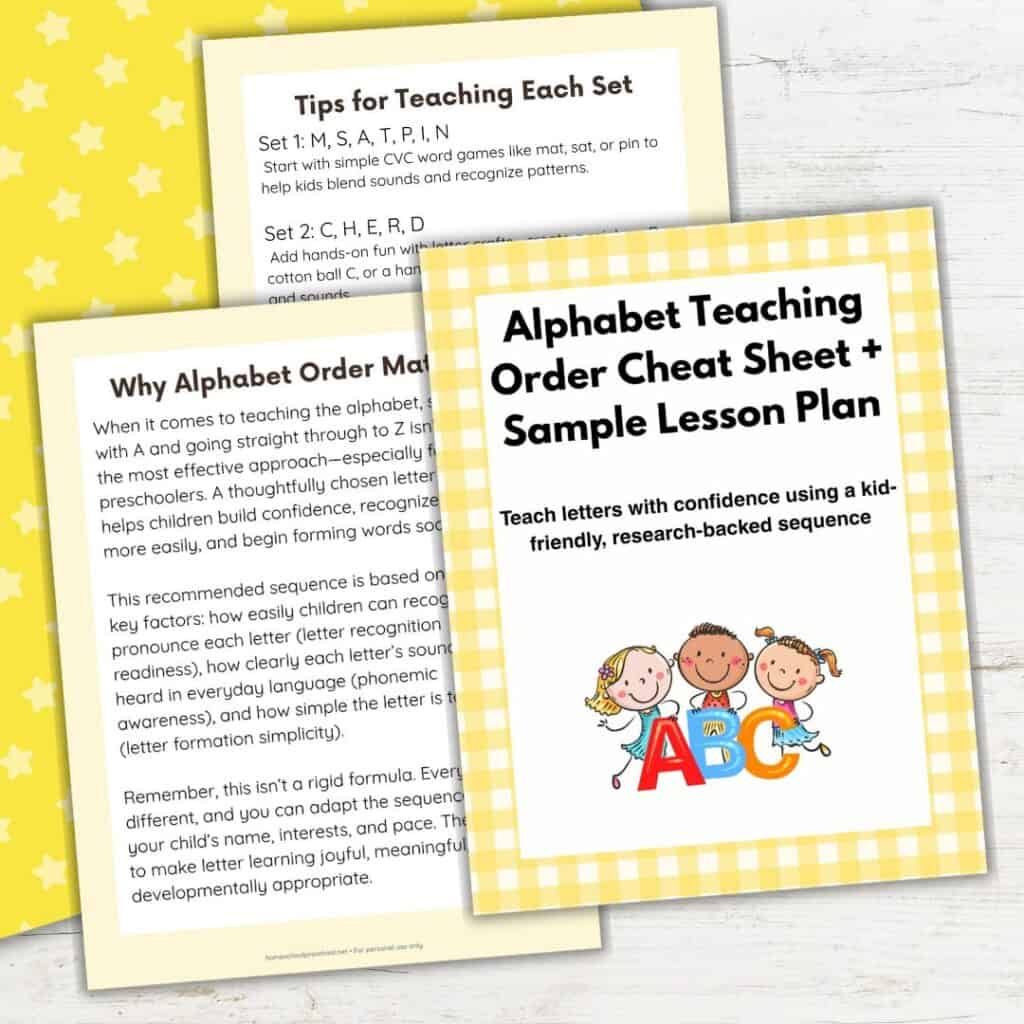
If you’re wondering where to begin, here’s a sample alphabet teaching order that many educators and homeschoolers have found helpful. This sequence is based on research, classroom experience, and the developmental needs of preschoolers:
M, S, A, T, P, I, N
C, H, E, R, D
B, L, K, F, O, G
U, Y, W, J, V
X, Q, Z
This order starts with letters that have clear sounds and simple shapes, making them easier for young children to recognize and write. The early letters also allow kids to begin building common words right away—think mat, sat, pin, and tap. Midway through the sequence, children are ready for slightly more complex letters and sounds. Finally, less frequently used or more challenging letters like x, q, and z are saved for the end.
Every child is unique, so feel free to adjust the order according to your child’s name, interests, and progress. The goal is to keep learning fun, engaging, and developmentally appropriate.
This suggested order is inspired by the best practices outlined in “A Fresh Look at Phonics” by Wiley Blevins, which highlights the importance of introducing letters in a sequence that supports sound recognition, word building, and developmental progression.
Tips for Teaching Letters Successfully
No matter which order you choose, how you teach the letters is just as important as when. Preschoolers thrive when learning feels fun, meaningful, and hands-on. These simple strategies can make letter recognition stick while building your child’s confidence along the way.
Multi-sensory methods
Incorporate songs, movement, crafts, and tactile tools, such as sandpaper letters or playdough. The more senses involved, the deeper the learning. Try singing the letter sound while finger-tracing it or building it out of pipe cleaners.
Repetition and review
Preschoolers need lots of practice. Revisit letters frequently—even after they’ve been introduced. Use games, sorting activities, or scavenger hunts to naturally spiral back and reinforce learning over time.
Real-life connections
Point out letters in everyday places—books, cereal boxes, street signs, and store logos. This helps kids see that letters are all around them and makes learning feel purposeful.
Celebrate small wins
Every mastered letter deserves recognition. Use stickers, high-fives, or a cheerful shout of “You did it!” to celebrate progress. Positive reinforcement keeps kids motivated and eager to learn more.
Mistakes to Avoid
When teaching the alphabet, it’s easy to fall into a few common traps—especially when you’re excited to see progress. Avoiding these mistakes can make a big difference in how smoothly and successfully your preschooler learns their letters.
Teaching only letter names before sounds
While knowing letter names is helpful, focusing only on names can delay reading readiness. Letter sounds are what help children decode and build words, so introduce both, emphasizing sounds early and often.
Rushing through the entire alphabet
It might be tempting to go through all 26 letters quickly, but preschoolers need time to explore, play, and practice with each one. A slower, more intentional pace builds stronger recognition and confidence.
Comparing children’s progress to others
Every child learns at their own pace. Try not to compare your child to siblings, classmates, or online benchmarks. Celebrate where they are and how far they’ve come.
Ignoring writing readiness
If your child struggles to write certain letters, it may be due to undeveloped fine motor skills. Don’t force pencil work too early—use fun pre-writing activities like tracing in sand, playdough shaping, or finger painting to build strength first.
FAQs About Teaching Letters
Start with uppercase letters since they’re easier to recognize and write, but introduce lowercase early on for balance and familiarity.
One to two letters per week is a good pace, allowing time for practice and review without overwhelming your child.
Most children recognize most letters by the time they are 4 to 5 years old, but progress varies—focus on steady growth rather than rushing.
Trust the Process
Teaching the alphabet is a journey—one that looks a little different for every child. Some will pick up letters quickly, while others need a little more time and repetition. That’s okay. What matters most is creating a positive, playful learning environment where your child feels supported and excited to learn.
By choosing a thoughtful letter sequence, using multi-sensory activities, and celebrating small milestones along the way, you’re laying a strong foundation for lifelong reading success. Stay consistent, keep things joyful, and trust the process—your efforts are making a big impact.
Grab our Alphabet Teaching Order Cheat Sheet & Sample Lesson Plan!
Want this cheat sheet and sample lesson plan delivered straight to your inbox?
Enter your name and email below to grab your free copy and start teaching the alphabet with confidence and ease!


Tara is the brains behind Homeschool Preschool, where her journey from preschool and public school teacher to homeschooling mom of three fuels her passion for early childhood education. With a blend of expertise and firsthand experience, Tara’s writings offer practical tips and engaging resources to support families in creating meaningful learning adventures at home.