Butterfly Life Cycle Craft with Pasta
This butterfly life cycle craft with pasta is a simple, hands-on way to teach your preschooler how butterflies change and grow. Using a paper plate, a few pasta shapes, and some construction paper, your little one can build each stage of the life cycle, from egg to butterfly.
No complicated prep. No hunting for special supplies. Just grab what you already have in the pantry and get started. Pair it with our life cycle of a butterfly activities for even more ways to explore this topic together.
Why Use Pasta for This Craft?
Each pasta shape matches a real stage of the butterfly life cycle, which makes it easier for little ones to understand and remember what they’re learning.
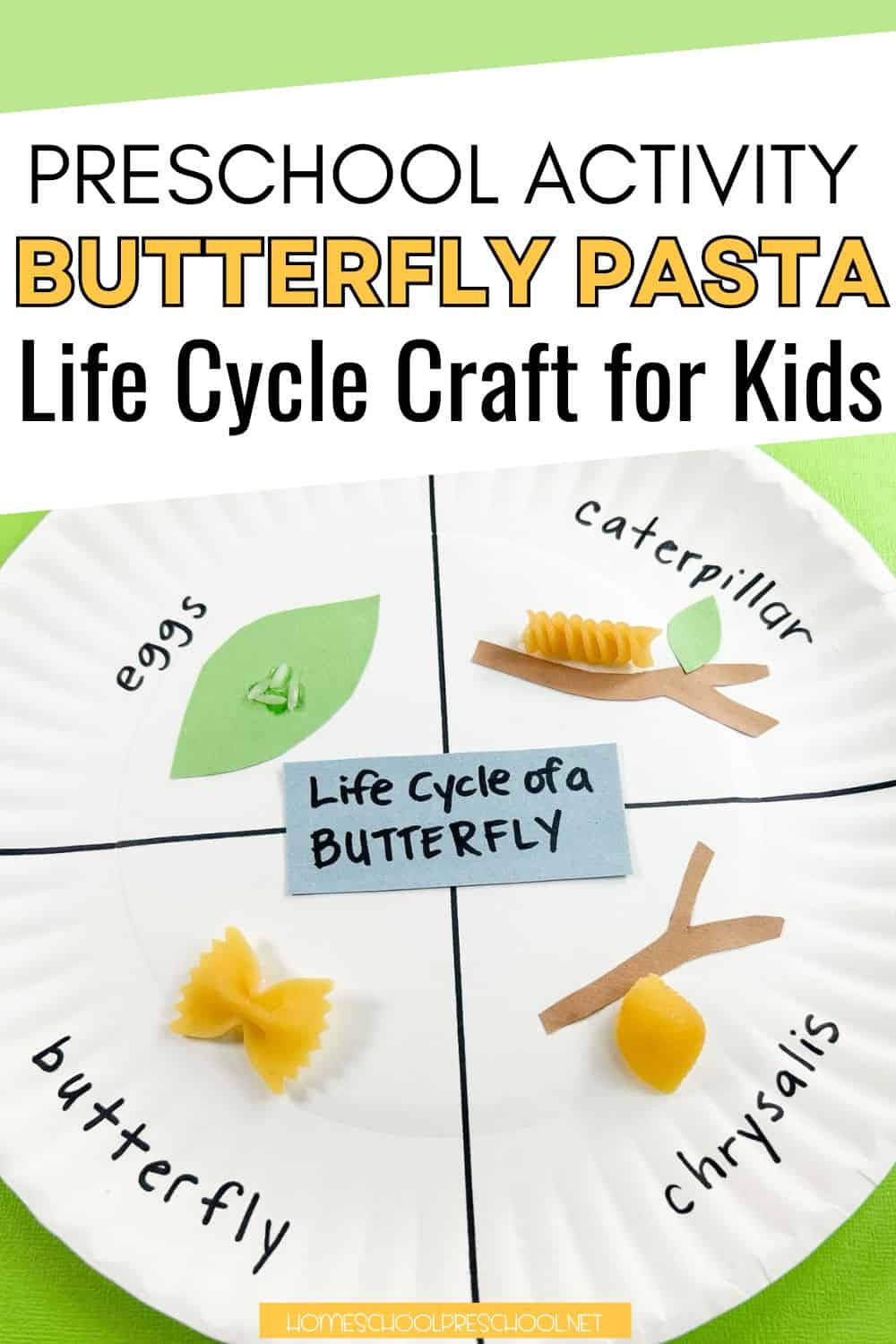
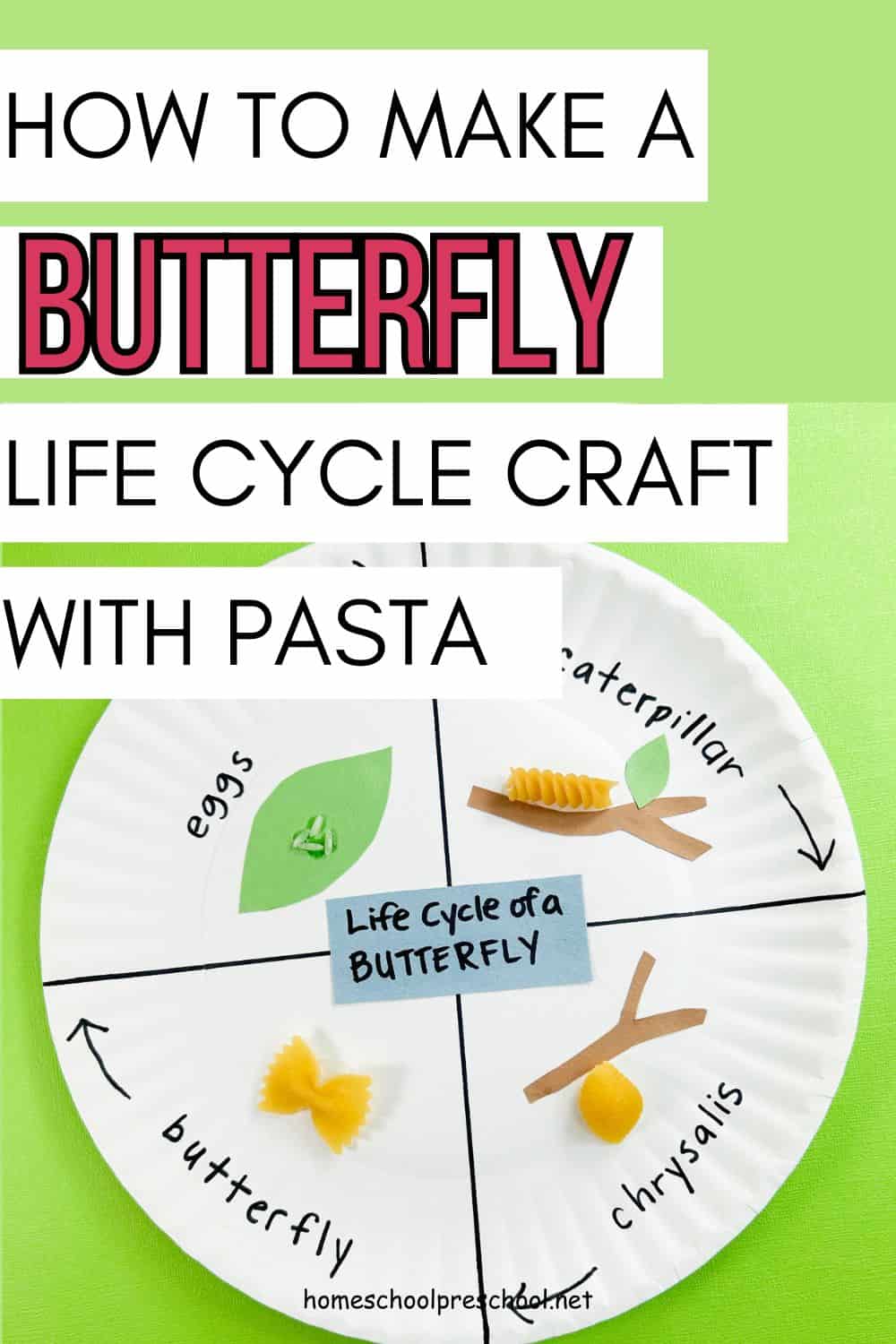
Rice stands in for the tiny eggs a butterfly lays on a leaf. Rotini looks like a curled-up caterpillar. A shell pasta flipped upside down resembles the chrysalis hanging from a branch. And bow tie pasta? It’s a natural fit for butterfly wings.
It’s a simple connection, but it gives kids something to hold onto (literally) as they work through each stage.
Pasta Butterfly Life Cycle
Now that you know why pasta works so well for this activity, let’s put it all together. This craft takes about 10 minutes and uses supplies you probably already have at home. It’s a great fit for preschoolers and kindergarteners who are learning about how butterflies change and grow.
What You’ll Need
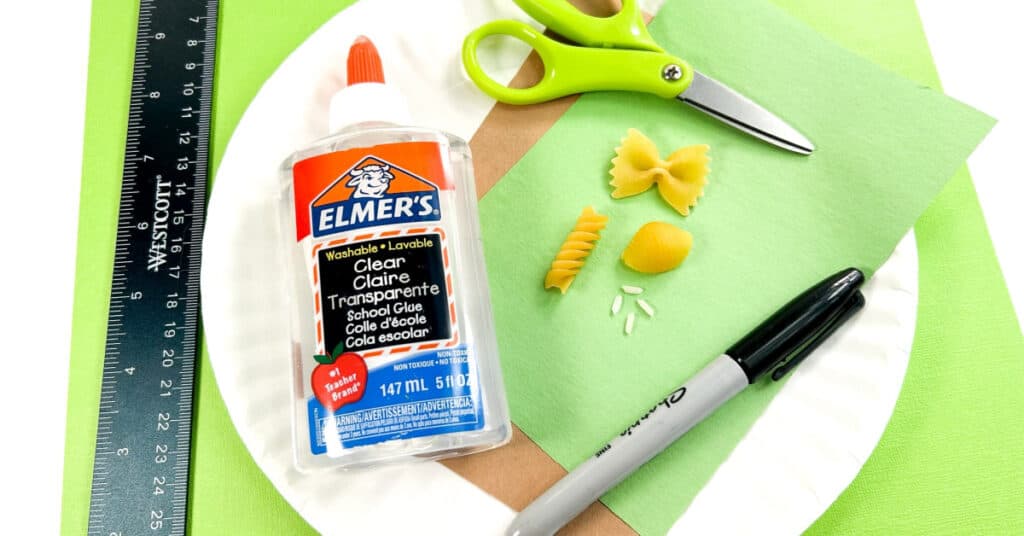
- Large white paper plate
- Black marker
- Ruler
- Construction paper – green, brown, and blue
- Glue stick
- Scissors
- White rice
- Pasta – rotini, shell, bow tie



What You’ll Do
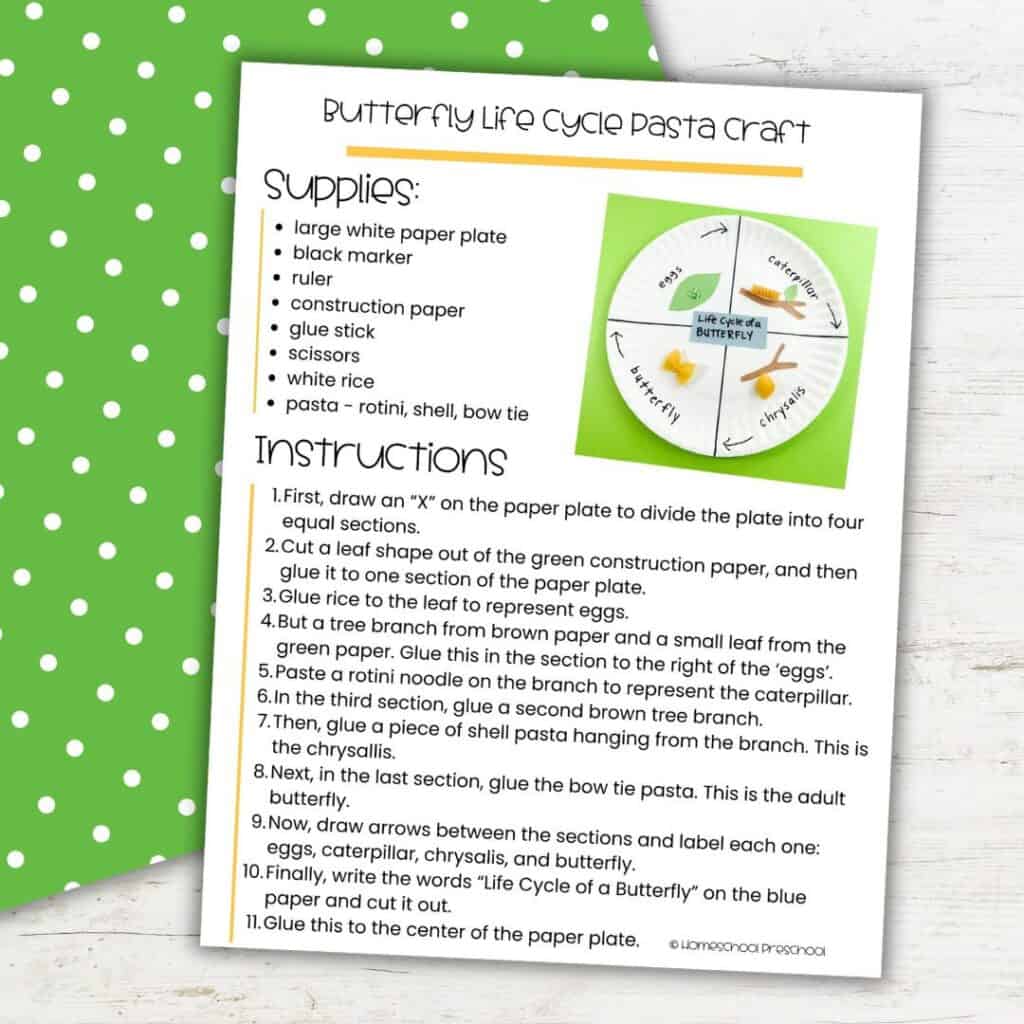
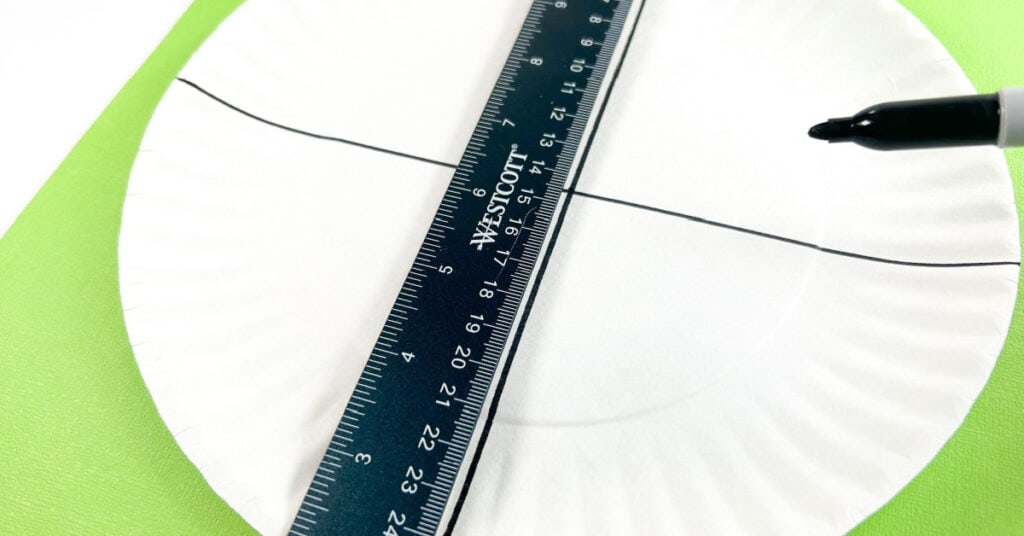
To begin this craft, draw an “X” on the paper plate to divide the plate into four equal sections.
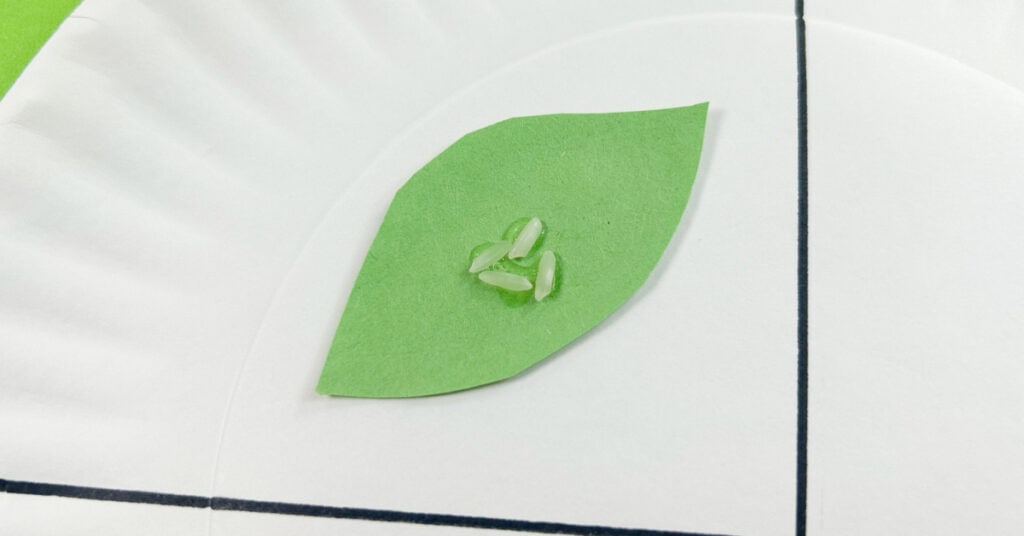
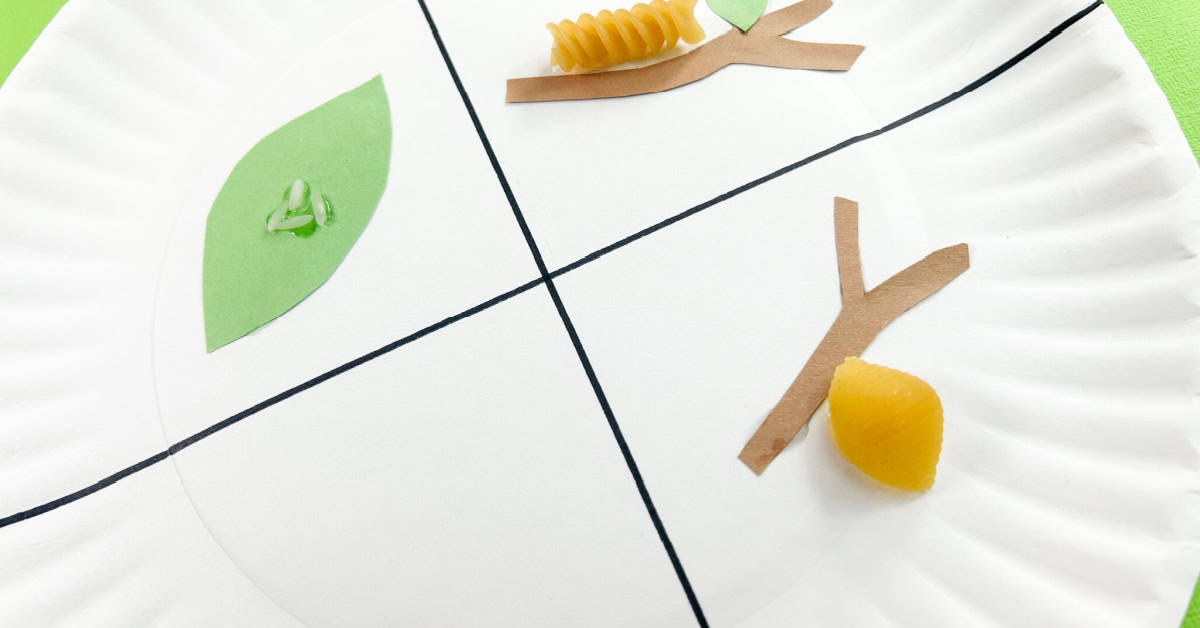
Cut a leaf shape out of the green construction paper, and then glue it to one section of the paper plate. Glue rice to the leaf to represent eggs.
Cut a tree branch from the brown paper and a small leaf from the green paper. Glue this in the section to the right of the “eggs”. Paste a rotini noodle to the branch to represent the caterpillar.
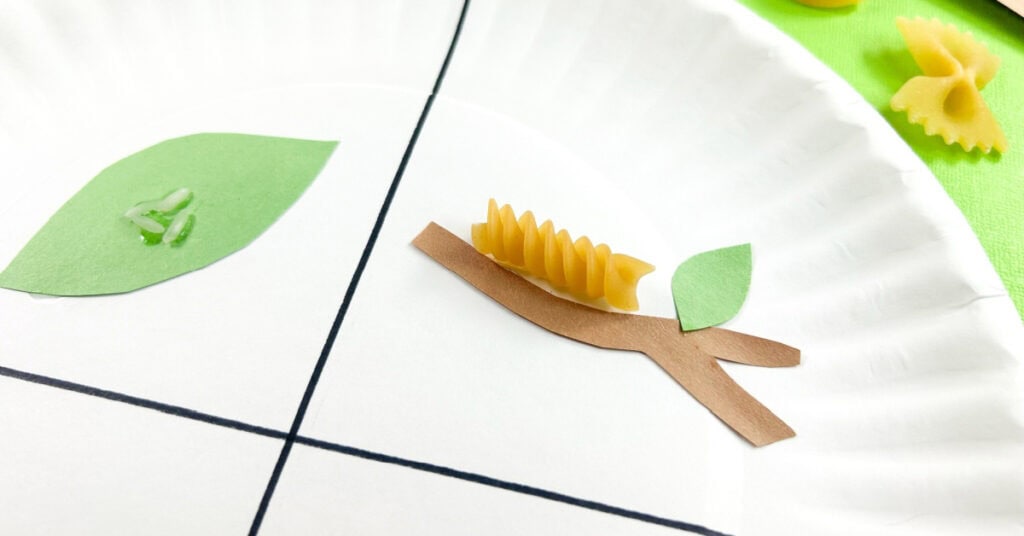
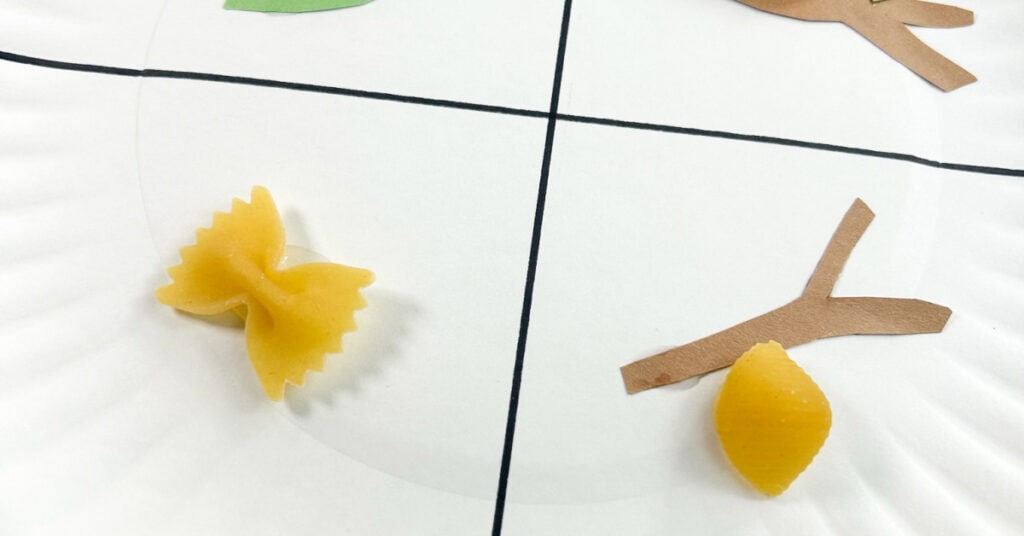
In the third section, glue a second brown tree branch. Then, glue a piece of shell pasta hanging from the branch. This is the chrysalis.
Next, in the last section, glue the bow tie pasta. This is your adult butterfly.
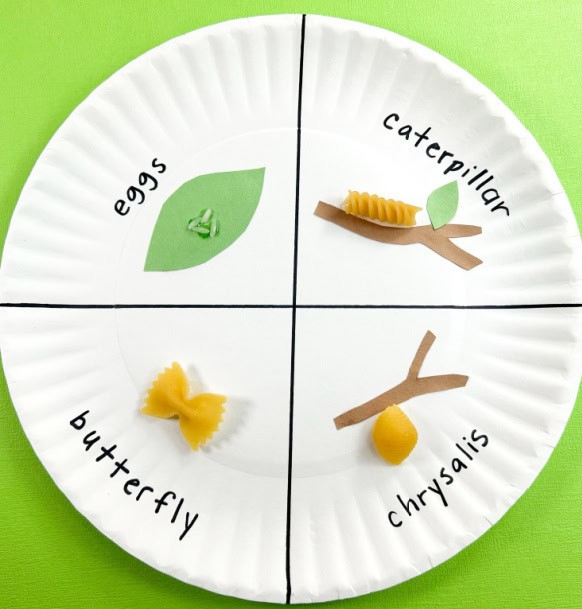
Then, draw arrows between the sections and label each one: eggs, caterpillar, chrysalis, and butterfly.
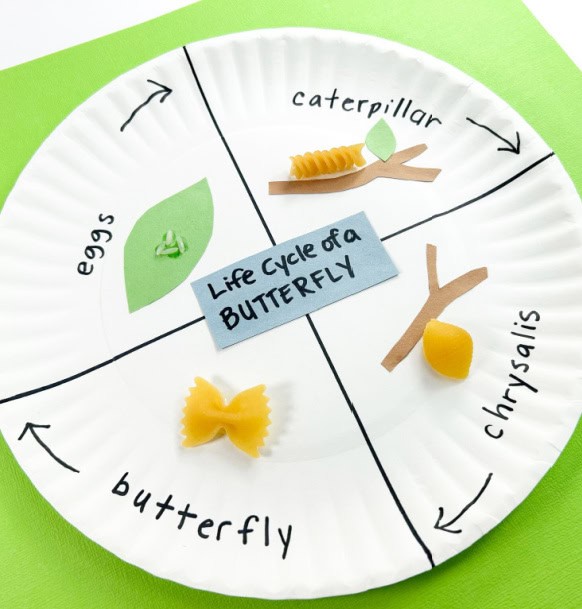
Finally, write the words “Life Cycle of a Butterfly” on the blue paper and cut it out. Glue this to the center of the paper plate.
That’s it – you’ve just made your own butterfly life cycle paper plate craft!
Free Life Cycle Craft Tutorial
Want to take this to the table without your phone? Grab the printable version here.

Butterfly Life Cycle Craft
Equipment
- black marker
- ruler
- Glue
- Scissors
Materials
- paper plates
- construction paper – green brown, blue
- white rice
- pasta – rotini shell, bow tie
Instructions
- To begin this craft, draw an "X" on the paper plate to divide the plate into four equal sections.
- Cut a leaf shape out of the green construction paper, and then glue it to one section of the paper plate. Glue rice to the leaf to represent eggs.
- Cut a tree branch from the brown paper and a small leaf from the green paper. Glue this in the section to the right of the "eggs". Paste a rotini noodle to the branch to represent the caterpillar.
- In the third section, glue a second brown tree branch. Then, glue a piece of shell pasta hanging from the branch. This is the chrysalis.
- Next, in the last section, glue the bow tie pasta. This is your adult butterfly.
- Then, draw arrows between the sections and label each one: eggs, caterpillar, chrysalis, and butterfly.
- Finally, write the words "Life Cycle of a Butterfly" on the blue paper and cut it out. Glue this to the center of the paper plate.
- That’s it – you've just made your own butterfly life cycle paper plate craft!
Life Cycle of a Butterfly Books
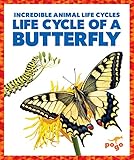

Life Cycle of a Butterfly – A photo-filled nonfiction book that walks kids through each stage of the butterfly life cycle with real images and simple text.
How Does a Caterpillar Change? – Part of the Eric Carle series, this one uses bright illustrations to explain metamorphosis in a way that’s perfect for the preschool crowd.
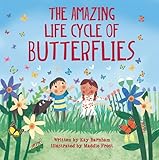
The Amazing Life Cycle of Butterflies – A colorful overview of how butterflies grow and change, with engaging illustrations that hold little ones’ attention.
Life Cycle of a Butterfly Activities
Pairing additional activities with the life cycle paper plate craft can enhance preschoolers’ learning experience while fostering creativity and curiosity. Here are some engaging ideas:
Life Cycle Sequencing Game: Create a hands-on sequencing activity using picture cards or felt pieces depicting each stage of the butterfly life cycle. Challenge children to arrange the cards correctly and discuss each stage as they place them.
Butterfly Symmetry Art: Introduce the concept of symmetry by guiding children to create butterfly wings using colorful materials like paint, tissue paper, or colored pencils. Fold a piece of paper in half, apply paint or decorations to one side, then fold and press to create a symmetrical design.
Outdoor Butterfly Release: Arrange a special outdoor event where children can release butterflies into the wild. Discuss the significance of this act and how it represents the culmination of their learning about the butterfly life cycle.
By combining these activities with the life cycle paper plate craft, preschool parents and teachers can provide a comprehensive and enriching educational experience that sparks children’s curiosity and appreciation for nature.
This butterfly life-cycle craft with pasta is a quick, hands-on way to bring science to life for preschoolers. Your little one gets to see each stage, hold it, and build it on their own. Simple activity, real learning, no stress.
For more ways to explore this topic, check out our life cycle activities for preschool.

Tara is the brains behind Homeschool Preschool, where her journey from preschool and public school teacher to homeschooling mom of three fuels her passion for early childhood education. With a blend of expertise and firsthand experience, Tara’s writings offer practical tips and engaging resources to support families in creating meaningful learning adventures at home.
2 Comments